
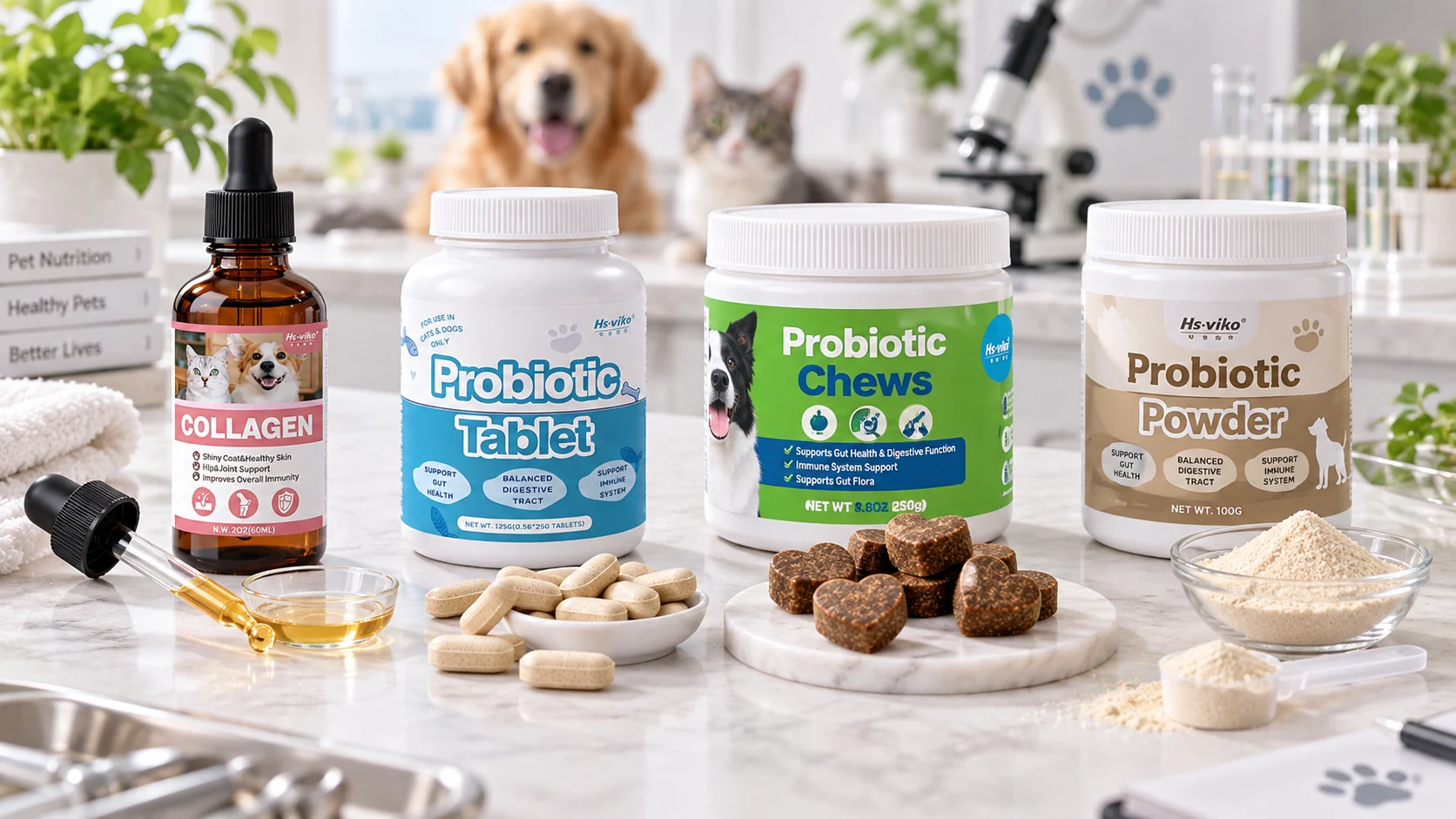
OEM vs ODM vs Private Label Pet Supplements Guide
-
 admin
admin
- 18th September 2026
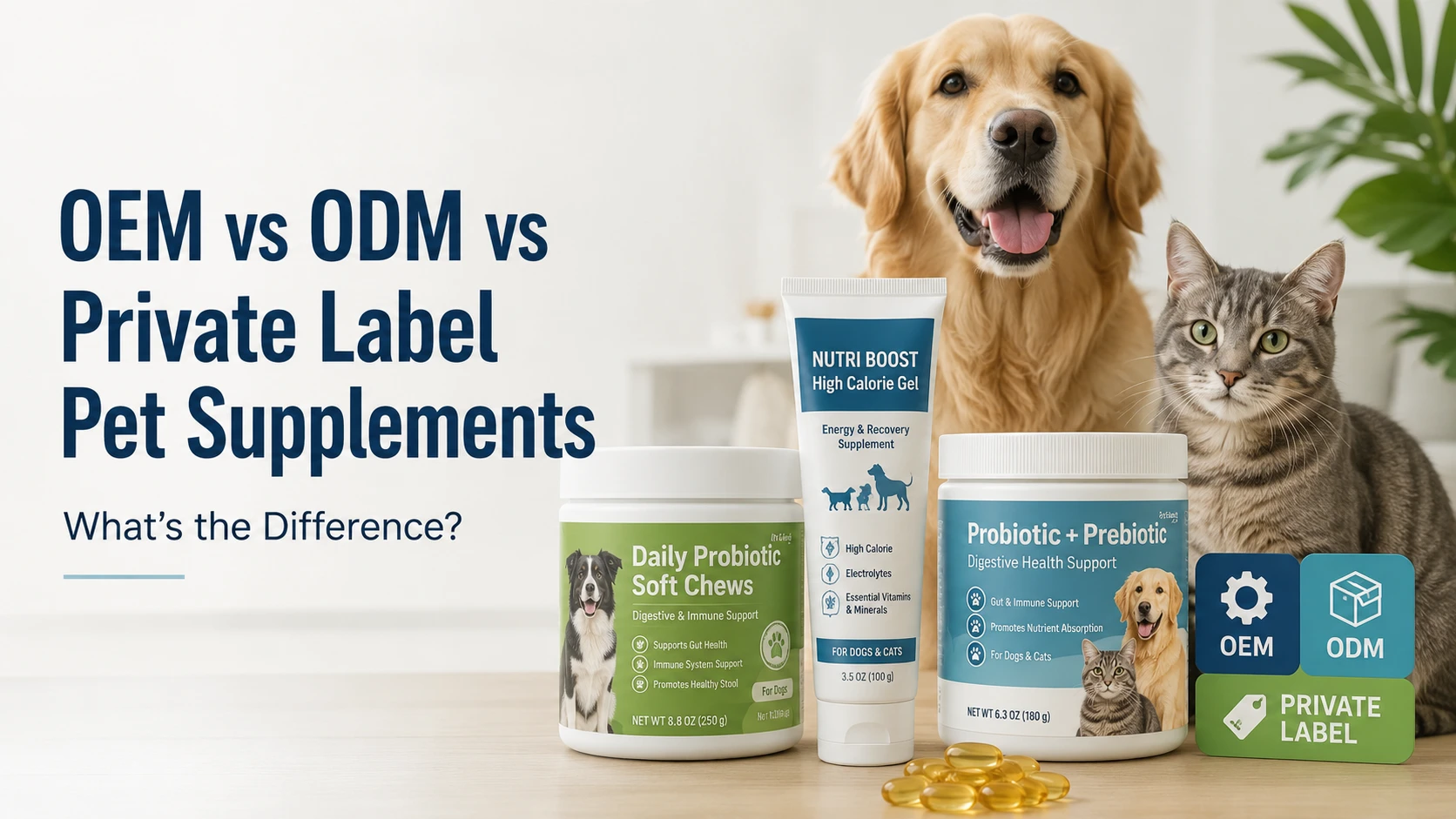
For a pet brand, the practical difference between OEM, ODM, and private label is who controls the formula, how much product development is required, and where commercial risk sits. OEM usually starts with a buyer-owned specification; ODM starts with a manufacturer-developed product that can be adapted; private label normally uses an existing formula and adds the buyer’s brand. The right model depends on differentiation, speed, budget, documentation, and the level of control required after launch.
The three models in one procurement view
Terminology varies by supplier, so a written scope matters more than the acronym. Ask the manufacturer to define formula ownership, permitted changes, packaging responsibility, exclusivity, approval gates, and release documents before comparing quotations.
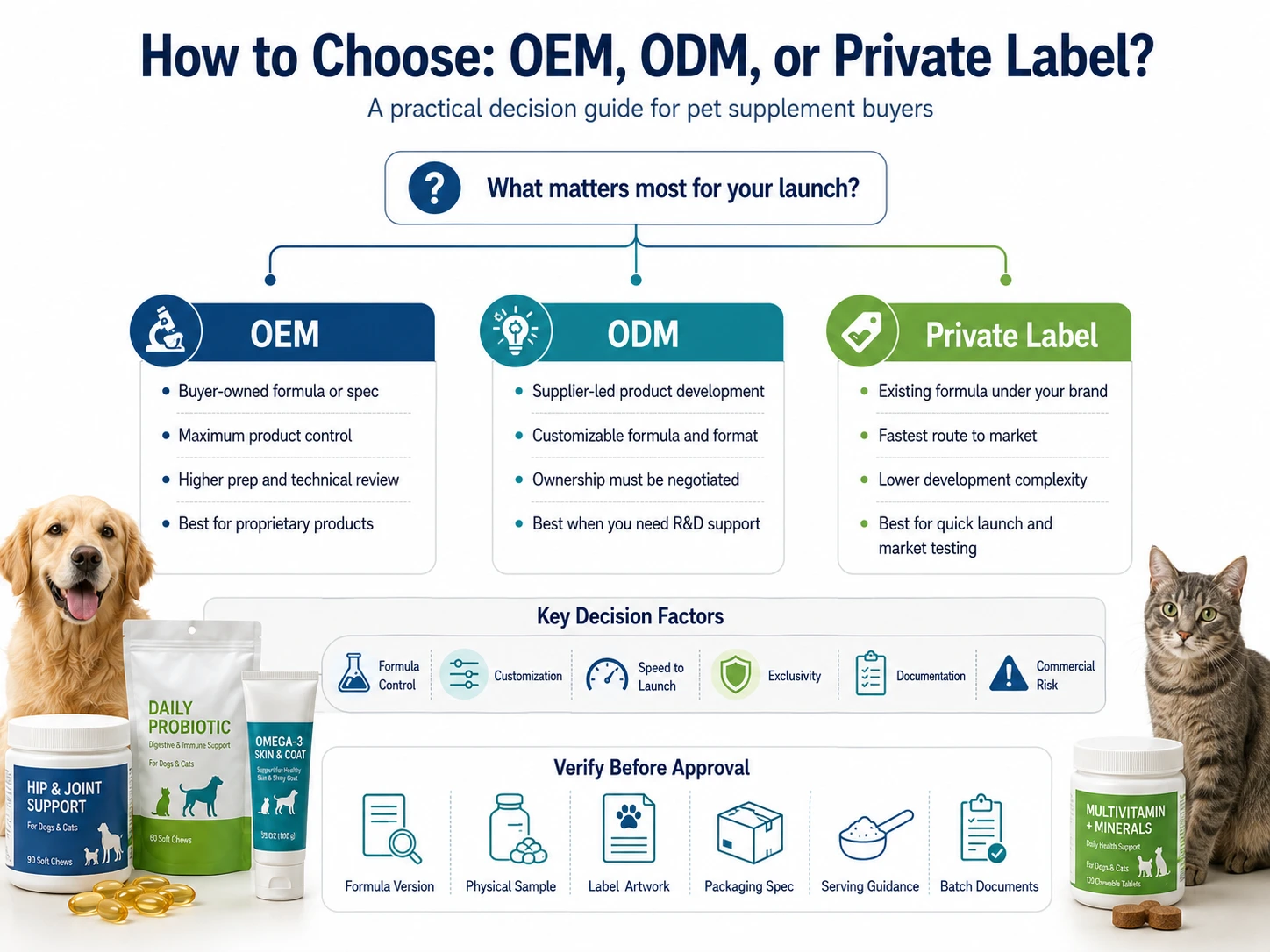
- OEM (Original Equipment Manufacturing): the buyer supplies the formula, specification, or detailed brief. The manufacturer makes the product to that agreed specification. The buyer normally carries more responsibility for formula decisions and regulatory review, while the factory focuses on execution.
- ODM (Original Design Manufacturing): the manufacturer brings an existing concept or develops a formula and dosage form around the brief. The buyer can request changes, but the depth of customization and ownership must be negotiated. ODM can shorten development when a brand needs technical support.
- Private label: the manufacturer offers a ready or established formula that is sold under the buyer’s brand. Label, pack size, flavor, and artwork may be adjustable, but formula exclusivity and change control are not automatic. Treat “private label” as a commercial route, not a guarantee of unique formulation.
OEM: maximum specification control, higher preparation burden
OEM is a fit when a brand already has a validated concept, ingredient brief, target serving, or proprietary formula. The buyer should provide a controlled specification covering species, life stage, ingredient identity, target amounts, dosage form, packaging, label claims, and acceptance criteria. A factory may source materials and manufacture the batch, but it should not silently substitute ingredients or alter serving instructions.
The main advantage is control over the product definition. The trade-off is that the buyer must be ready to review feasibility, stability, palatability, labeling, and market requirements. A quotation based only on a product name is not an OEM specification. Request a sample, a written formula revision history, and a clear process for approving any deviation.
ODM: shared development with negotiated ownership
ODM works when the brand knows the customer problem but does not want to build the complete formulation package internally. A manufacturer may propose a probiotic, omega-3, joint-support, multivitamin, or calming concept and recommend a dosage form such as a tablet, capsule, liquid, powder, soft granule, paste, or emulsion. The buyer then evaluates the proposal against target users, feeding behavior, cost position, and claims policy.
The critical question is not simply “Can you customize it?” Ask what can change: active ingredients, levels, flavor system, format, pack size, and label language. Also ask whether the resulting formula is exclusive, shared, or based on a stock platform. If the brand expects long-term differentiation, formula ownership and change-control terms should be written into the development agreement before samples are approved.
Private label: fastest route, narrower differentiation
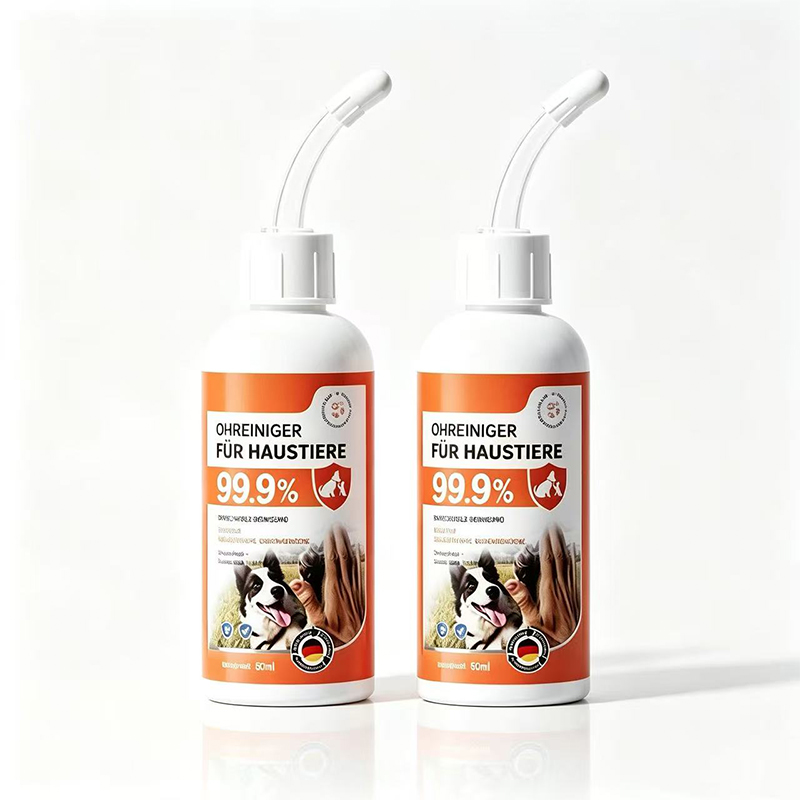
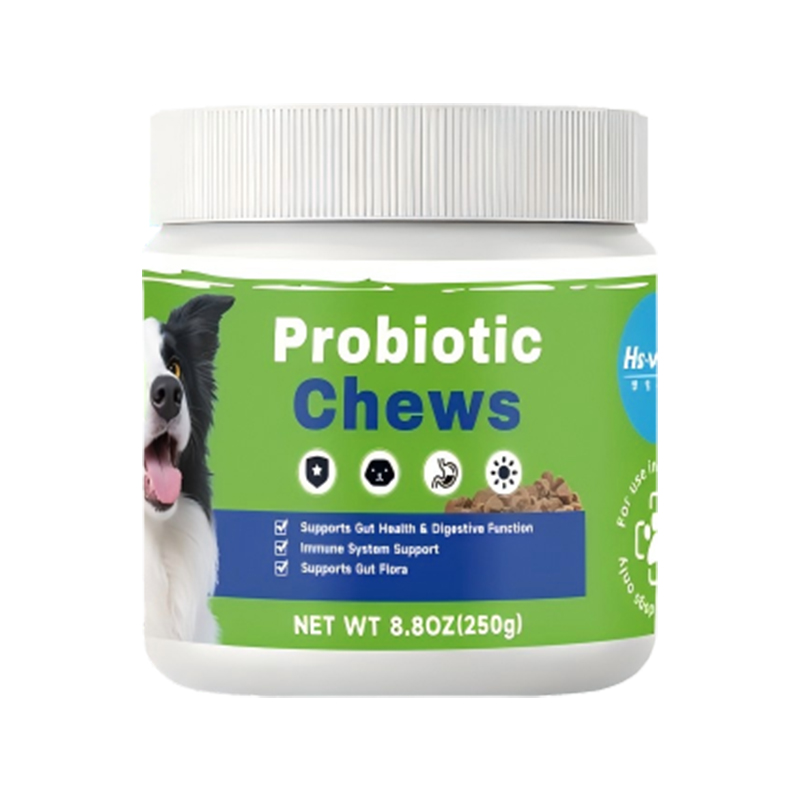
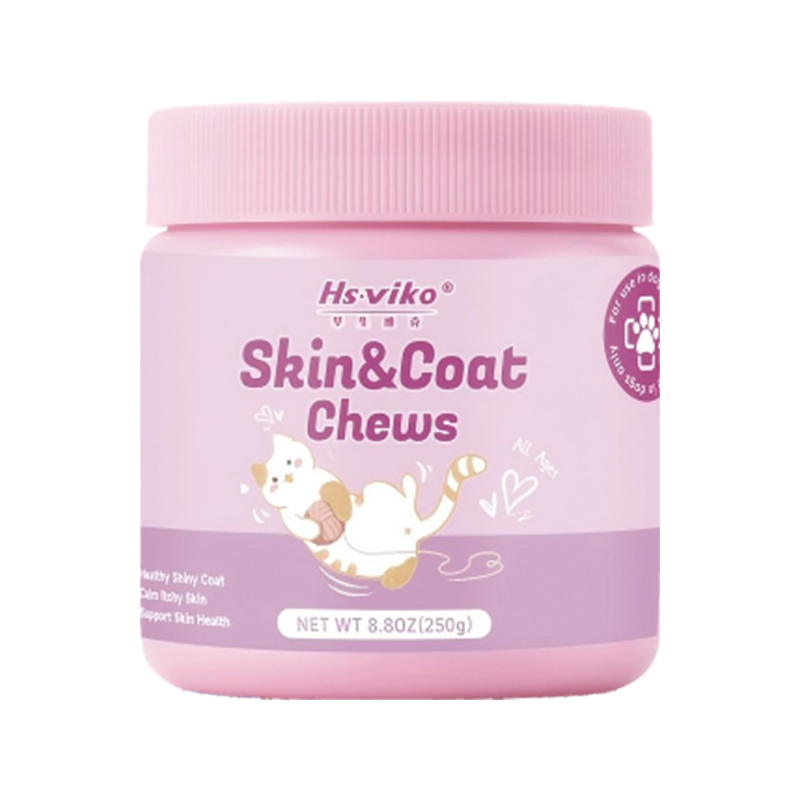
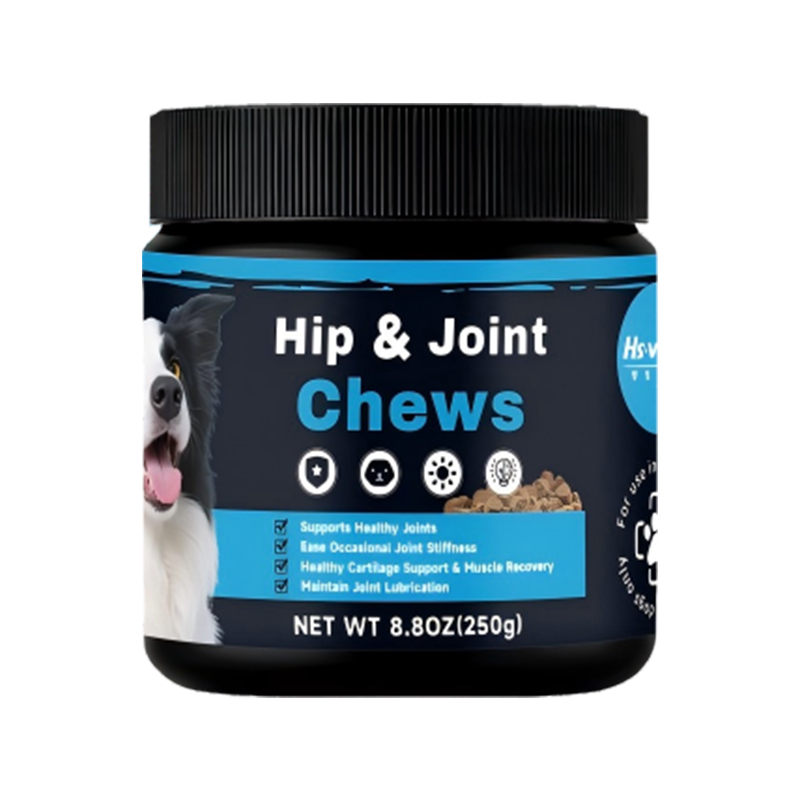
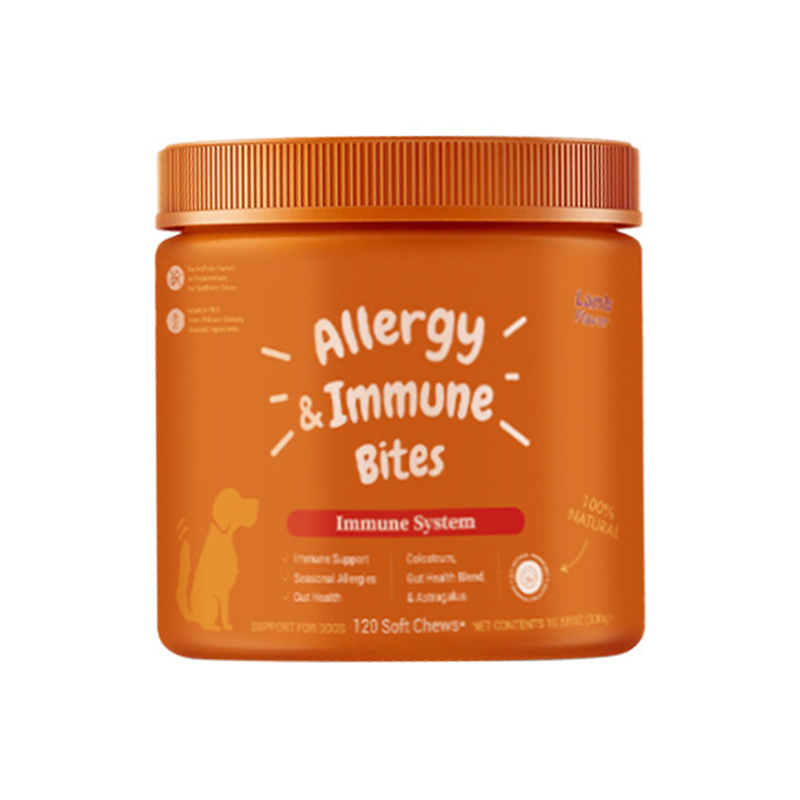
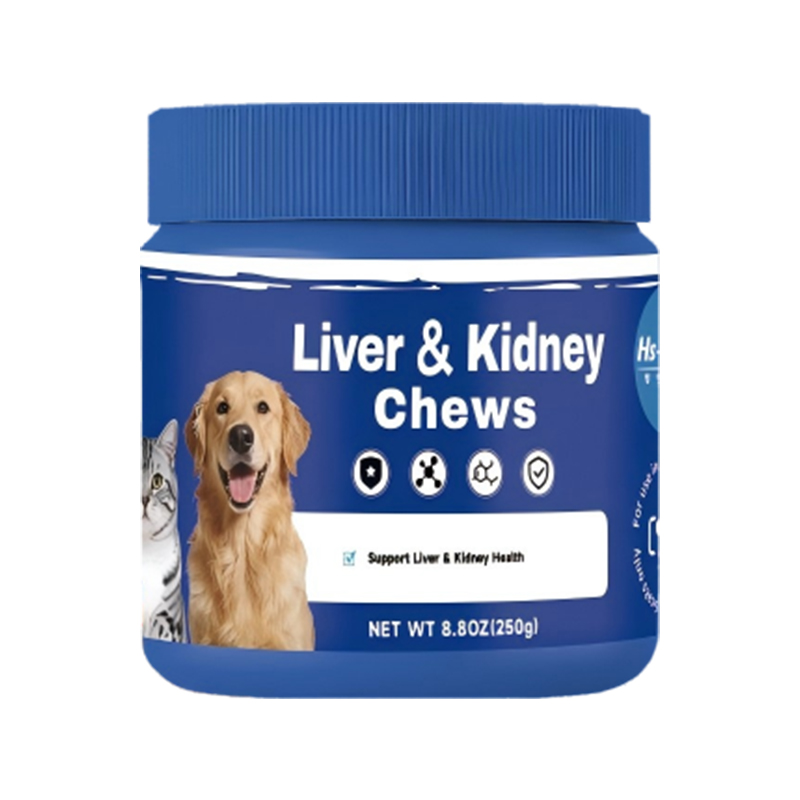
Private label is practical for a pilot SKU, channel test, or retailer that needs a branded supplement line without funding a full development cycle. Hs・Viko’s published product materials list multiple dosage forms and categories, including fish-oil and krill-oil products, probiotics, joint-support products, multivitamins, lecithin, calcium, and digestive-support formats.
Speed does not remove due diligence. Confirm the exact formula version, ingredient specifications, serving guidance, minimum order quantity, packaging options, artwork ownership, shelf-life basis, and batch documentation. Two suppliers can use the same “private label” label while offering very different levels of customization and support. The purchase order should identify the approved sample and the documents required for release.
How the choice changes your launch risk
Use the following decision logic before requesting prices:
- Choose OEM when the formula or product specification is a strategic asset and your team can manage technical review. The key risk is execution against an incomplete or changing brief.
- Choose ODM when you need formulation assistance and can accept a shared development process. The key risk is assuming that a proposed formula is exclusive when it is actually a reusable platform.
- Choose private label when speed and market learning matter more than deep product uniqueness. The key risk is weak differentiation, inconsistent version control, or labels that do not match the approved product.
In all three cases, separate product risk from supplier risk. Product risk concerns formula suitability, palatability, stability, serving logic, and allowed claims. Supplier risk concerns traceability, communication, sample consistency, packaging execution, and document completeness. A lower unit price does not compensate for uncertainty in either group.
Dosage form and packaging are commercial decisions
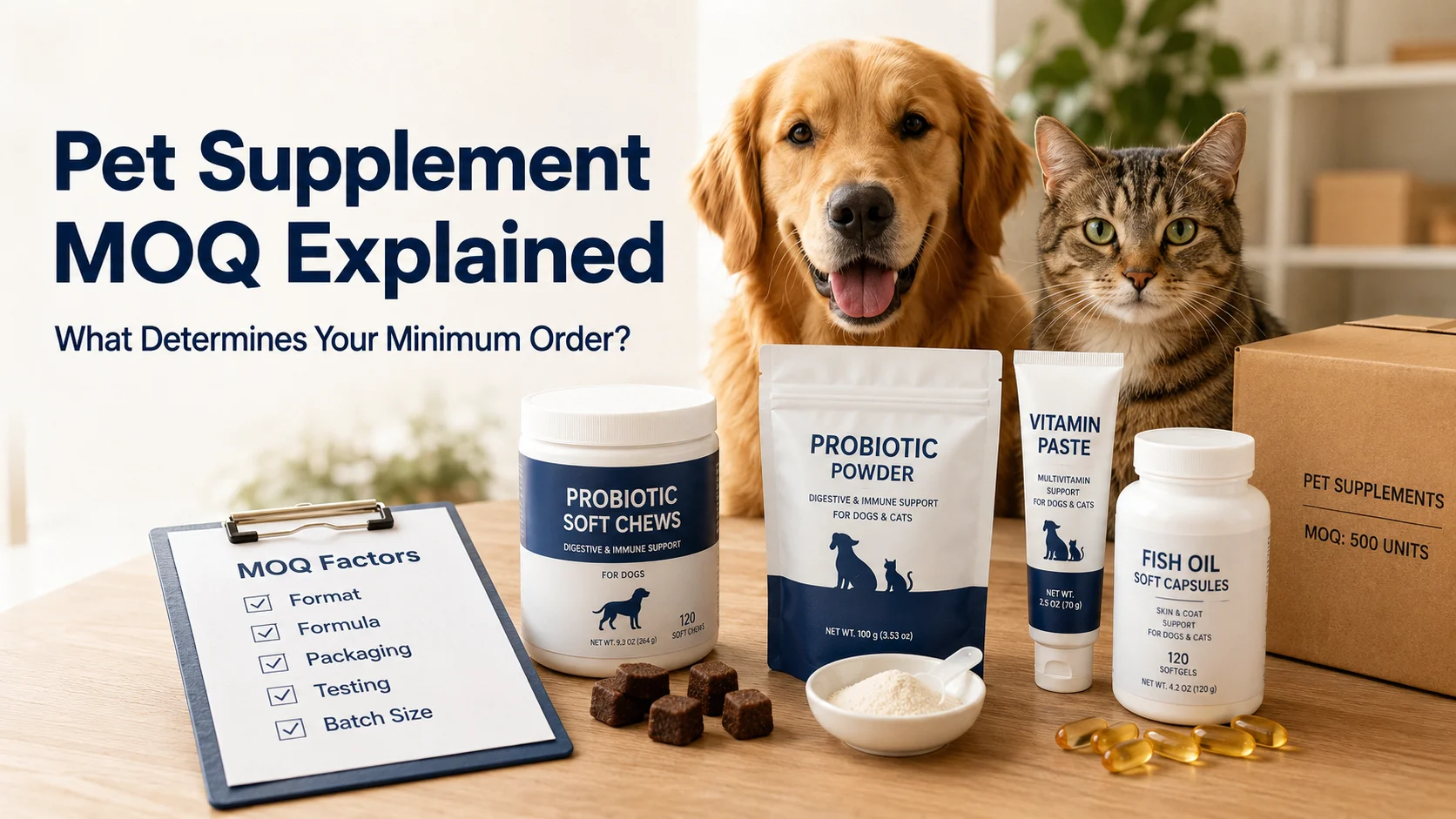
A formula is only useful if pet owners can administer it consistently. Tablets and capsules support a defined serving, while powders are easy to mix and adjust. Liquids, pastes, emulsions, and soft granules may suit flexible or treat-style routines. Choose by species, pet size, texture preference, storage, and label instructions.
Ask for the same information for every model: net content, serving basis, container or pouch format, closure, tamper evidence, artwork dieline, storage statement, and shipping configuration. Packaging changes can affect fill weight, stability, transport damage, and landed cost. They should be approved as part of the product, not treated as a last-minute graphic exercise.
Supplier evaluation checklist for a pet supplement RFQ
A useful RFQ makes suppliers comparable. Include:
- Target market, species, life stage, intended function, and sales channel.
- Formula status: buyer-owned, supplier-proposed, or stock/private-label; list ingredients that cannot change.
- Dosage form, target net content, serving size, flavor or palatability constraints, and packaging preference.
- Required samples, approval criteria, artwork files, label language, and claim-review responsibility.
- Expected order range, pilot quantity, repeat-order plan, and required batch or analysis documents.
For a first conversation, Hs・Viko directs buyers to its OEM/ODM service overview and product catalog. Use them to frame the discussion, while confirming the final specification in writing for the selected product and market.
What to verify before approval
Before signing off a sample, compare the physical product with the written specification. Check label text, ingredient order, net content, dosage instructions, lot coding, packaging fit, and visible defects. Request available release documentation and agree which records accompany each batch. Claims that depend on a test method, jurisdiction, or concentration should be confirmed by the responsible reviewer.
Keep a controlled approval pack: final formula, approved artwork, packaging specification, sample photos, signed change log, and purchase-order reference. This protects the brand as a product moves from pilot to repeat production. For implementation context, review Hs・Viko’s service information alongside the project brief.
Conclusion
OEM, ODM, and private label are not quality rankings. They are different allocations of design work, ownership, customization, and launch responsibility. Start with the decision your brand must protect: unique formula control, guided development, or rapid validation. Then make the choice measurable through a written scope, an approved sample, clear change control, and complete procurement records. Hs・Viko can be included in that comparison when its available formats and product categories match the brief; confirm technical and market-specific details before production.
To discuss a fit, contact the Hs・Viko technical team with your target species, formula status, dosage form, packaging, destination market, quantity range, and any fixed ingredients or claims.
FAQs
Is private label the same as ODM?
Not always. Private label usually describes selling an existing product under a new brand. ODM describes a supplier-led development role. A project can be private label with minimal changes or ODM with a more involved formula and packaging brief.
Which model gives a brand the most formula control?
OEM generally gives the buyer the strongest specification control when the formula and acceptance criteria are clearly defined. Ownership, exclusivity, and change rights still need to be written into the agreement.
Is ODM always more expensive than private label?
Not necessarily. Cost depends on development work, ingredients, dosage form, packaging, testing, order size, and market requirements. Compare the complete project scope rather than the acronym.
What should be approved before a first production run?
Approve the formula version, physical sample, label artwork, packaging specification, serving guidance, order quantity, and the batch documents expected at release.
admin
personal profile






Contact Us