Home


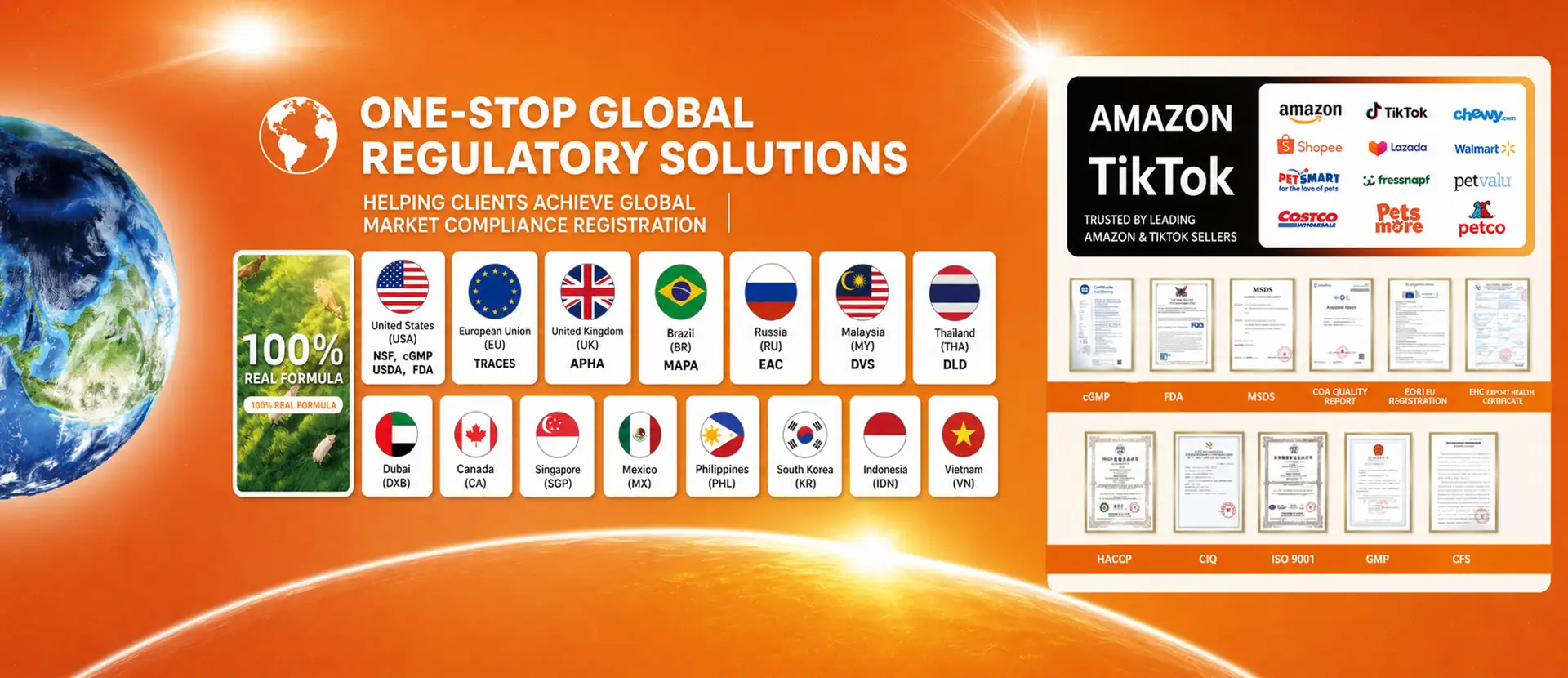
Best-selling products
- Soft Chews
- Tablets
- Pastes
- Capsules
- Liquids
- Powders
The soft granules are coated with fresh meat fat, without a hard outer shell, resulting in a tender texture. Suitable for: probiotic, lecithin, immune-boosting, chondroitin, and other conditioning formulas; Advantages: Excellent palatability with its own meaty aroma; can be directly mixed with staple food; flexible dosage; ideal for puppies and picky eaters; Disadvantages: Prone to oiling and clumping in high temperatures; should be consumed as soon as possible after opening.
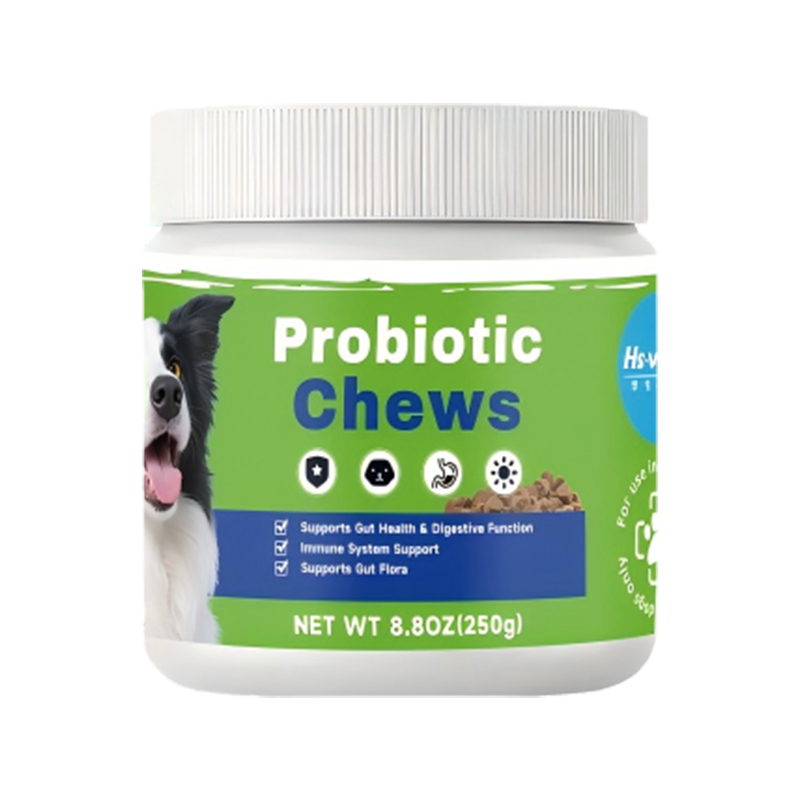
Pet Probiotic Soft Chews
Hs.viko develops OEM and private label probiotic soft granules for global pet brands. The formula can be customized with selected probiotic strains and functional ingredients to support digestive health and daily nutrition needs.
Learn More
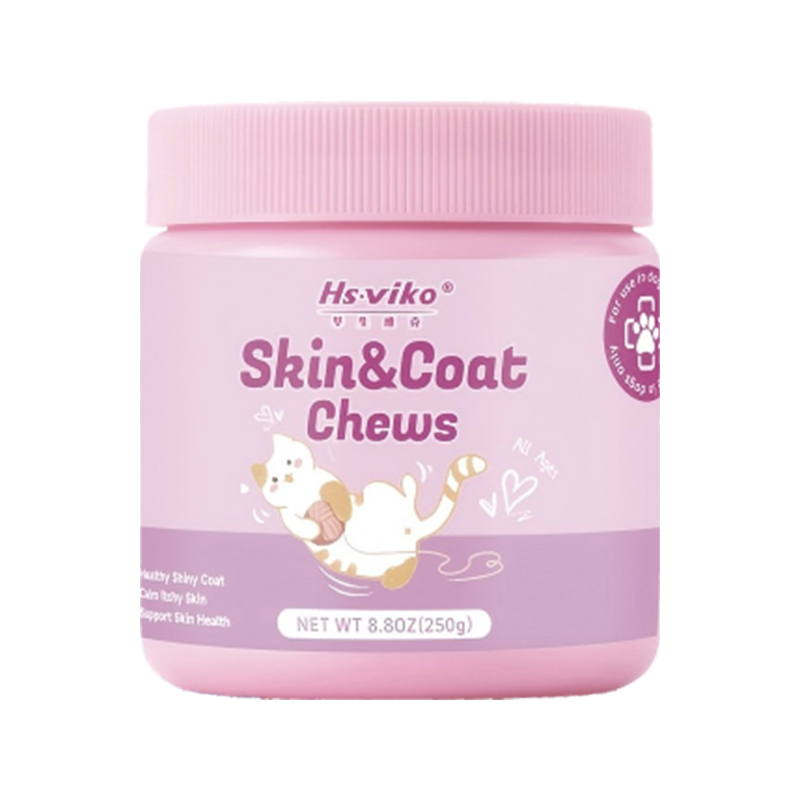
Pet Skin & Coat Soft Chews
Hs.viko provides customized skin and coat supplement solutions combining functional oils, vitamins and botanical ingredients for premium pet nutrition brands.
Learn More
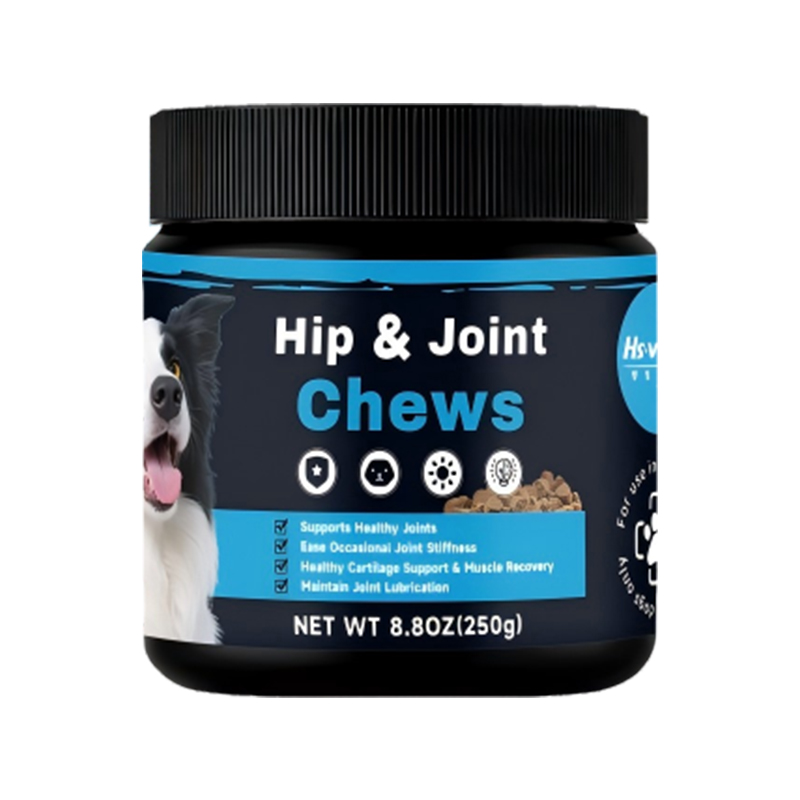
Pet Joint Support Soft Chews
Designed for OEM partners seeking functional joint nutrition products for dogs and cats, with flexible formulation and packaging solutions.
Learn More
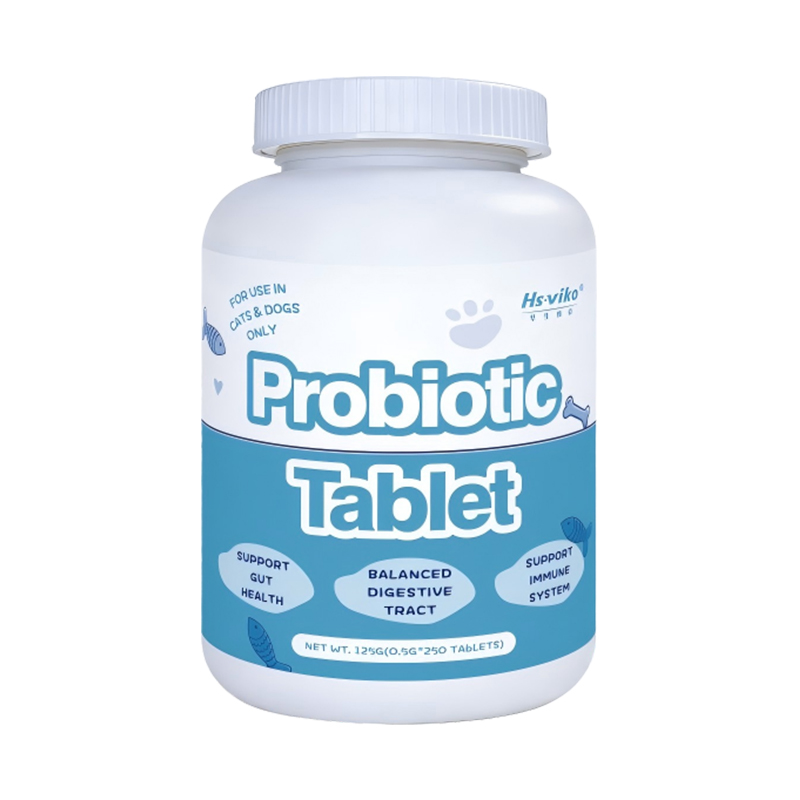
Pet Probiotic Tablets
Hs.viko provides probiotic tablet manufacturing services with customized strains, formulas and packaging options for international pet brands.
Learn More
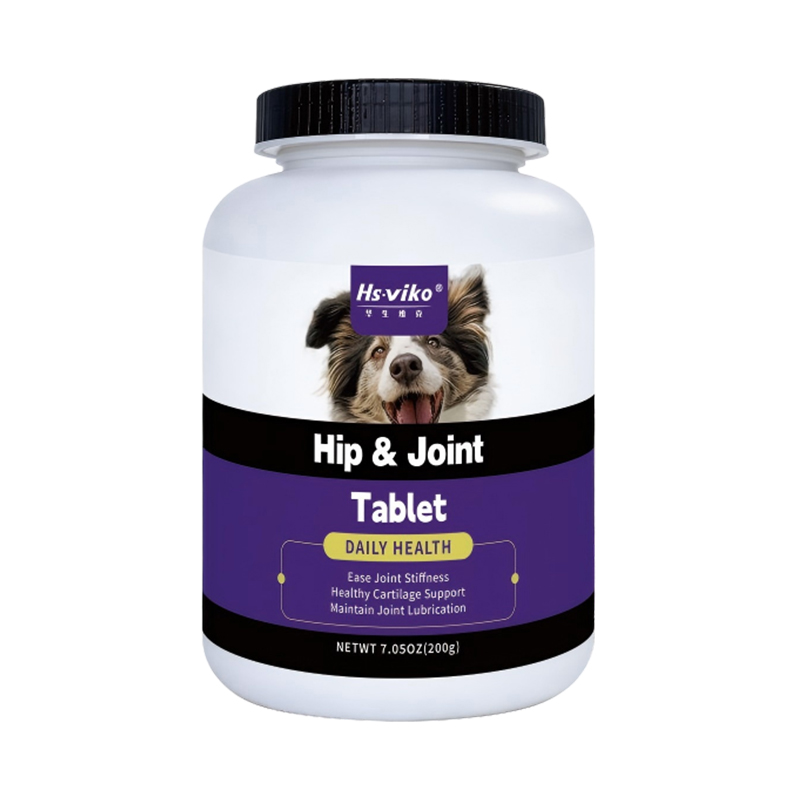
Pet Joint Support Tablets
Hs.viko develops OEM joint support tablets combining functional ingredients with customized formulas for premium pet nutrition markets.
Learn More
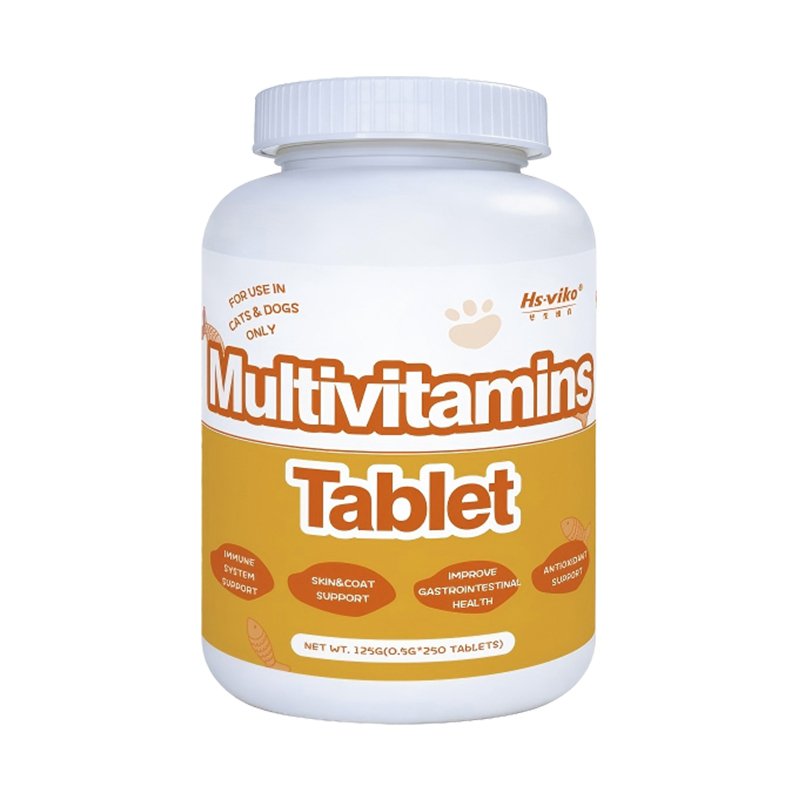
Pet Multivitamin Tablets
Hs.viko manufactures customized multivitamin tablets for global pet brands, offering flexible formulations, private label solutions and professional quality control.
Learn More
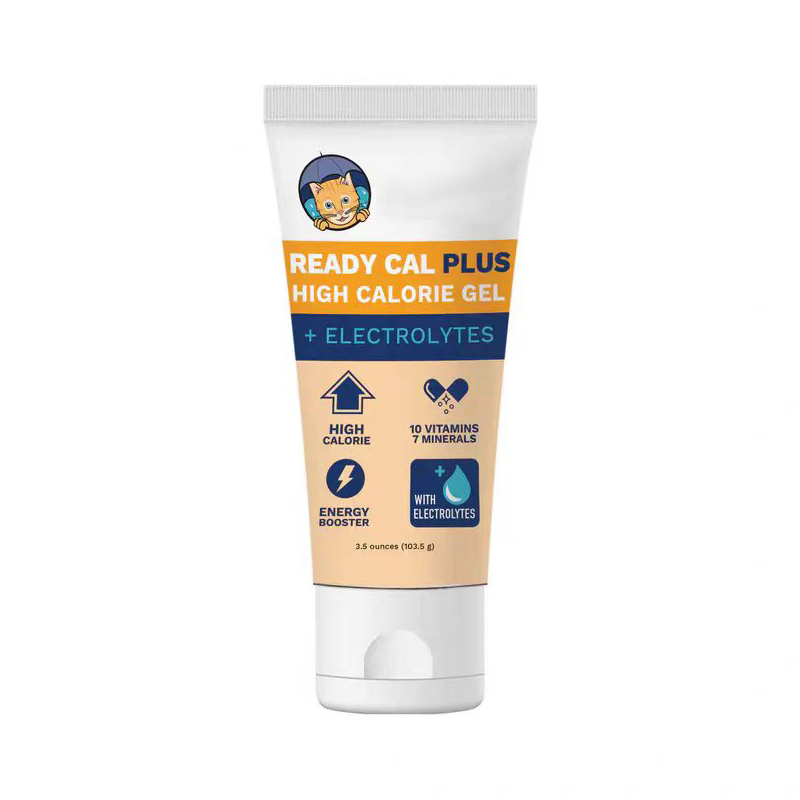
Pet Vitamin Paste
Hs.viko offers vitamin paste OEM solutions with customized formulas, flavors and packaging designs.
Learn More
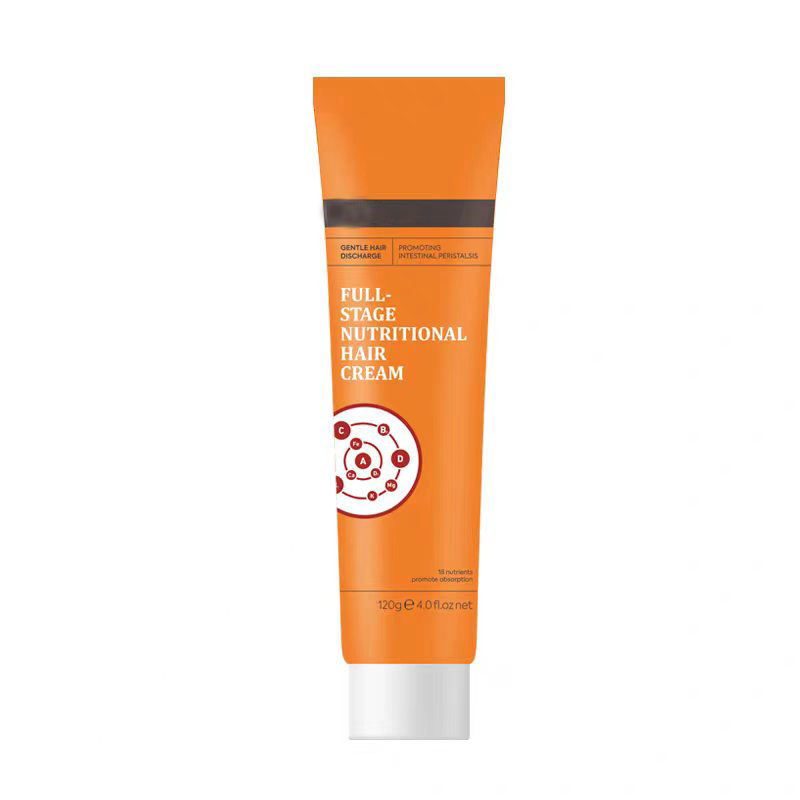
Pet Hairball Support Paste
Hs.viko provides customized hairball support paste manufacturing solutions with flexible formulas and packaging options for international pet brands.
Learn More
Pet Nutritional Paste
Hs.viko develops customized nutritional paste solutions for global pet brands, supporting OEM formulation, flavor customization and private label production.
Learn More
Pet Joint Support Capsules
Hs.viko provides OEM joint support capsule manufacturing with customized formulations designed for premium pet supplement markets.
Learn More
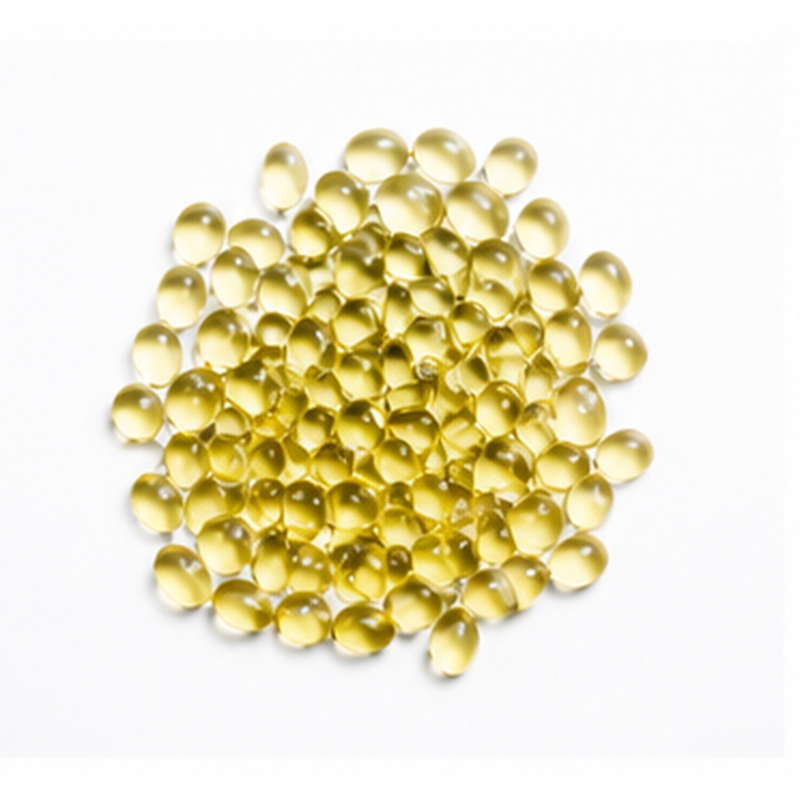
Pet Fish Oil Soft Capsules
Hs.viko manufactures customized fish oil soft capsules for global pet brands, offering formula development, private label services and quality-controlled production.
Learn More
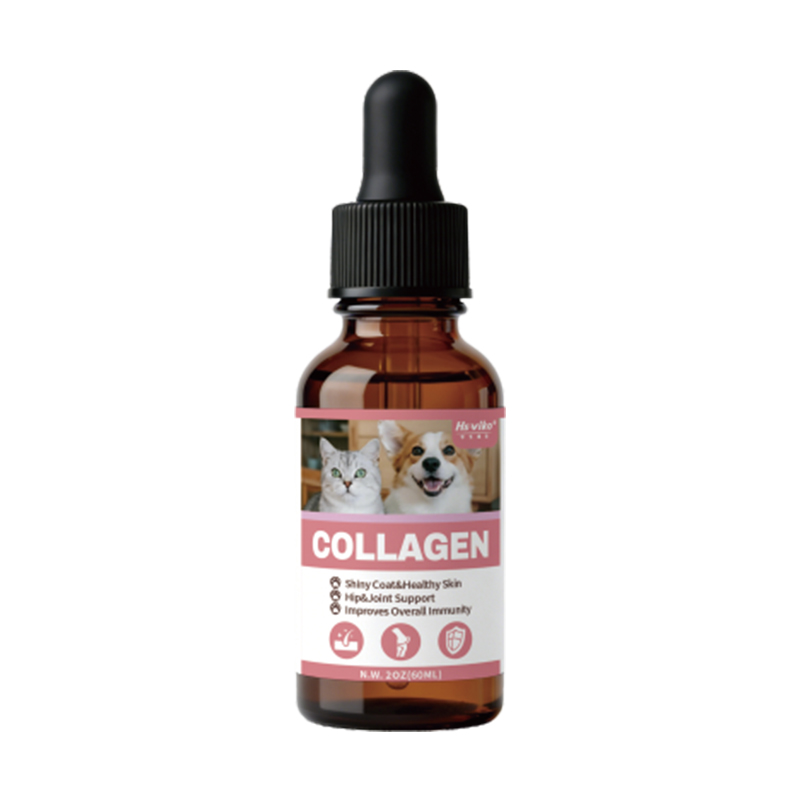
Pet Collagen Liquid
Customized collagen source and potency – select from deep-sea cod skin, tilapia scales, bovine bone, or plant-based (recombinant collagen); offer concentration gradients from 5,000mg to 10,000mg per bottle
Learn More
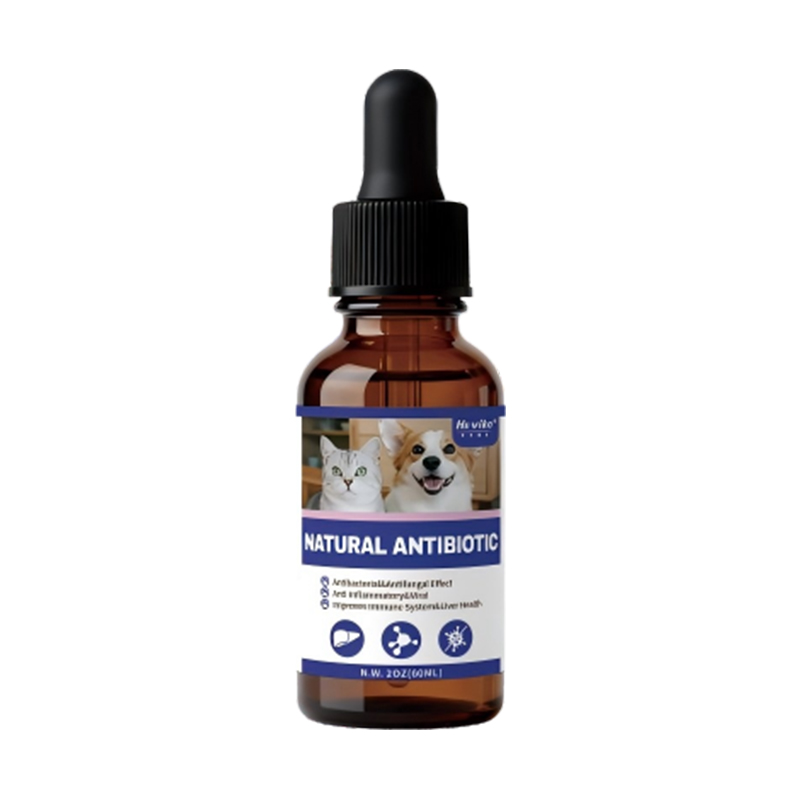
Pet Immune Support Liquid
Hs.viko manufactures immune support liquid supplements with flexible formulation and packaging solutions for pet brands.
Learn More
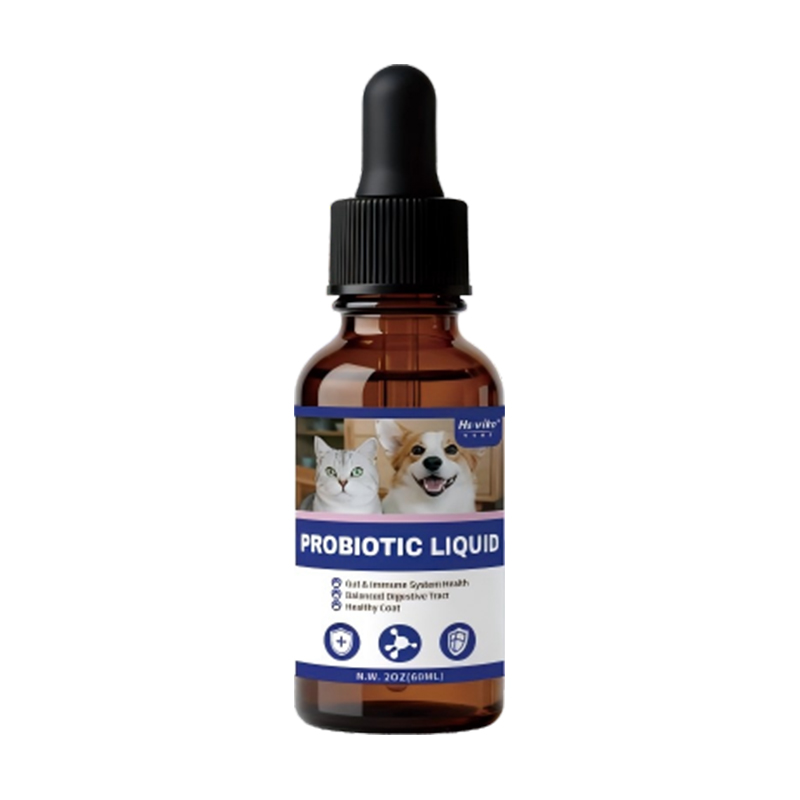
Pet Liquid Probiotic Supplement
Hs.viko offers liquid probiotic supplement manufacturing with customized formulas, packaging options and professional quality management.
Learn More
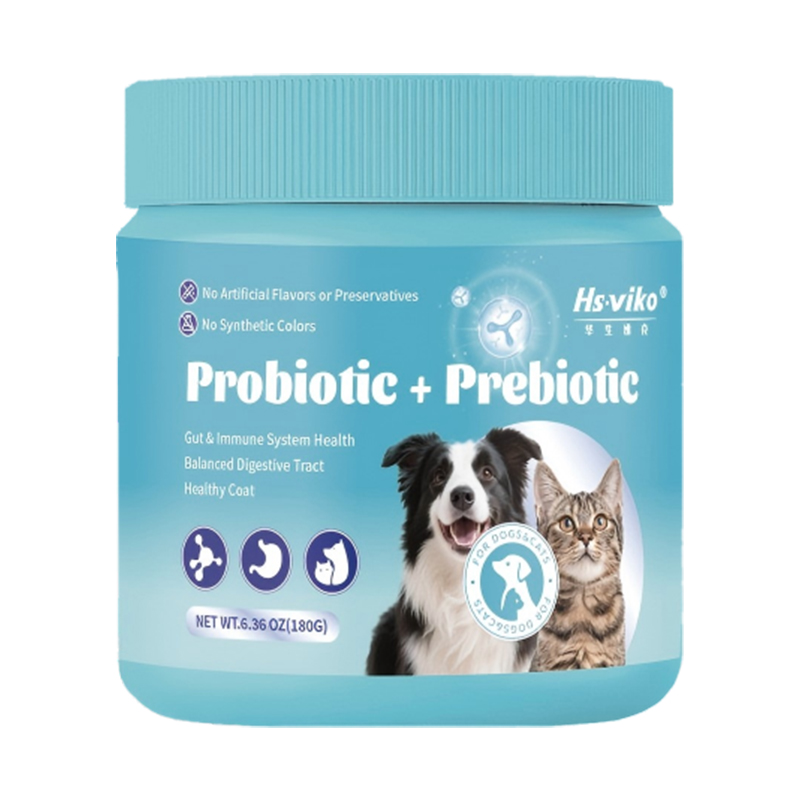
Pet Probiotic Powder
Hs.viko provides OEM and private label probiotic powder solutions for global pet brands, supporting customized strains, formulations and packaging designs.
Learn More
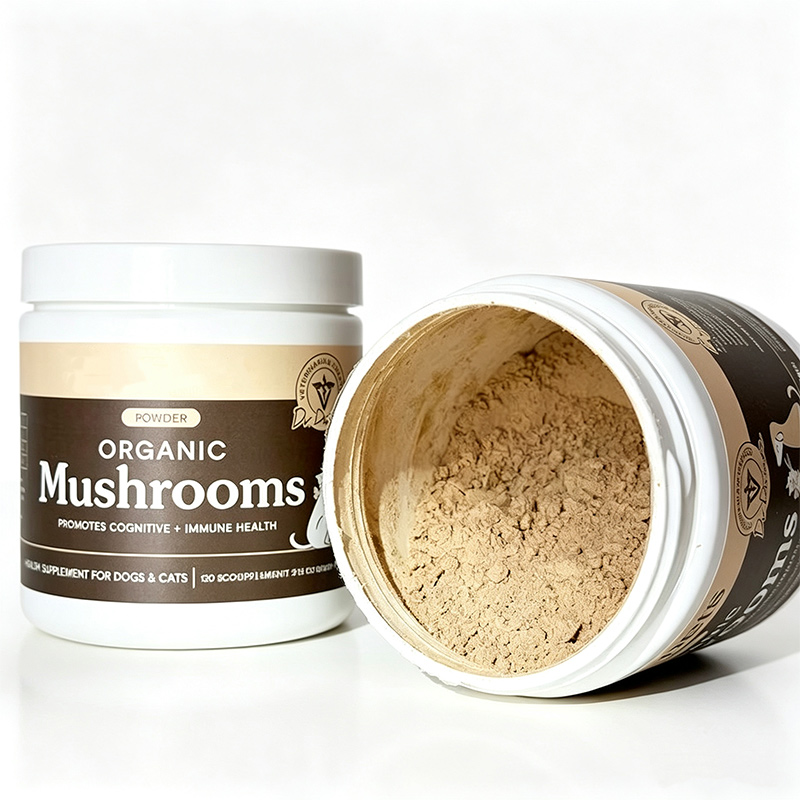
Pet Functional Mushroom Powder
Customized mushroom blends – select different species combinations based on brand positioning: “Classic Ten-Mushroom Formula” (10 species), “Immune Boost Formula” (Reishi+Turkey Tail+Maitake+Agaricus), “Vitality & Cognition Formula” (Lion‘s Mane+Reishi+Cordyceps), and more
Learn More
Our service
-

Complete OEM/ODM Pet Nutrition Manufacturing Services
From formulation development to commercial production, Hs.viko provides end-to-end pet nutrition manufacturing solutions for global brands, distributors and importers.
-
Custom ODM Formulation R&D
In-house R&D lab supports customized pet nutrition formulas.
-
Private Label OEM Manufacturing
One-stop private label OEM service covering full production chain.
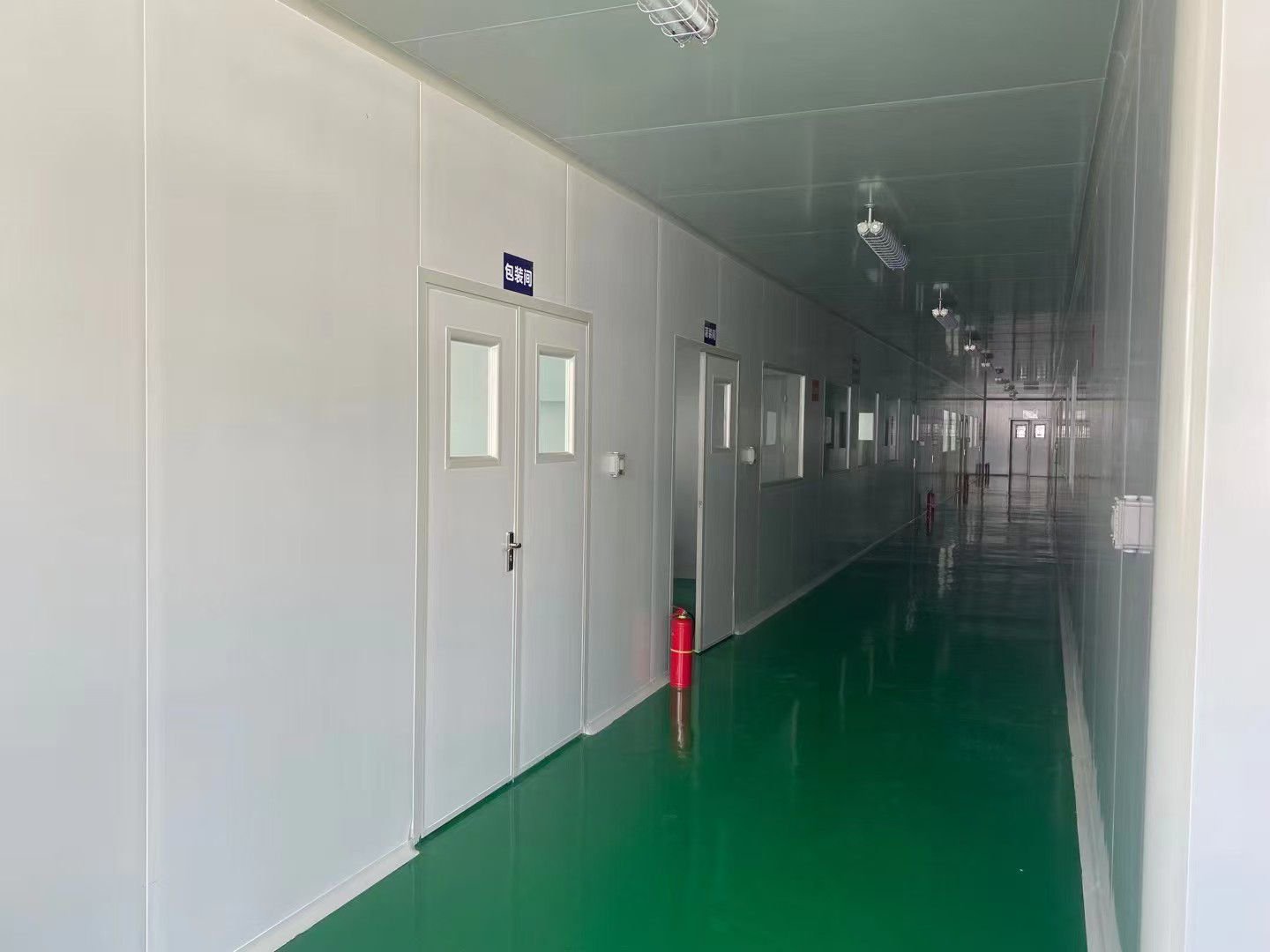
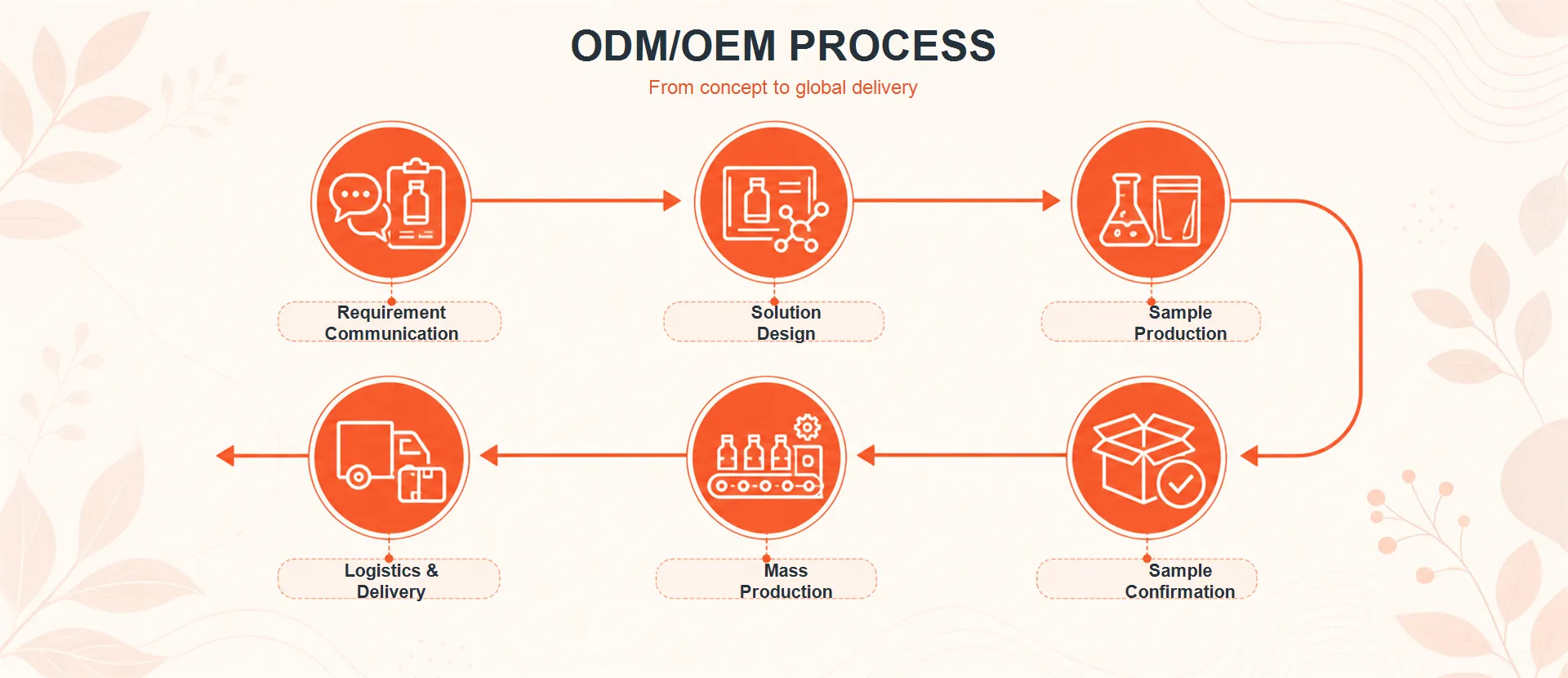
ODM/OEM
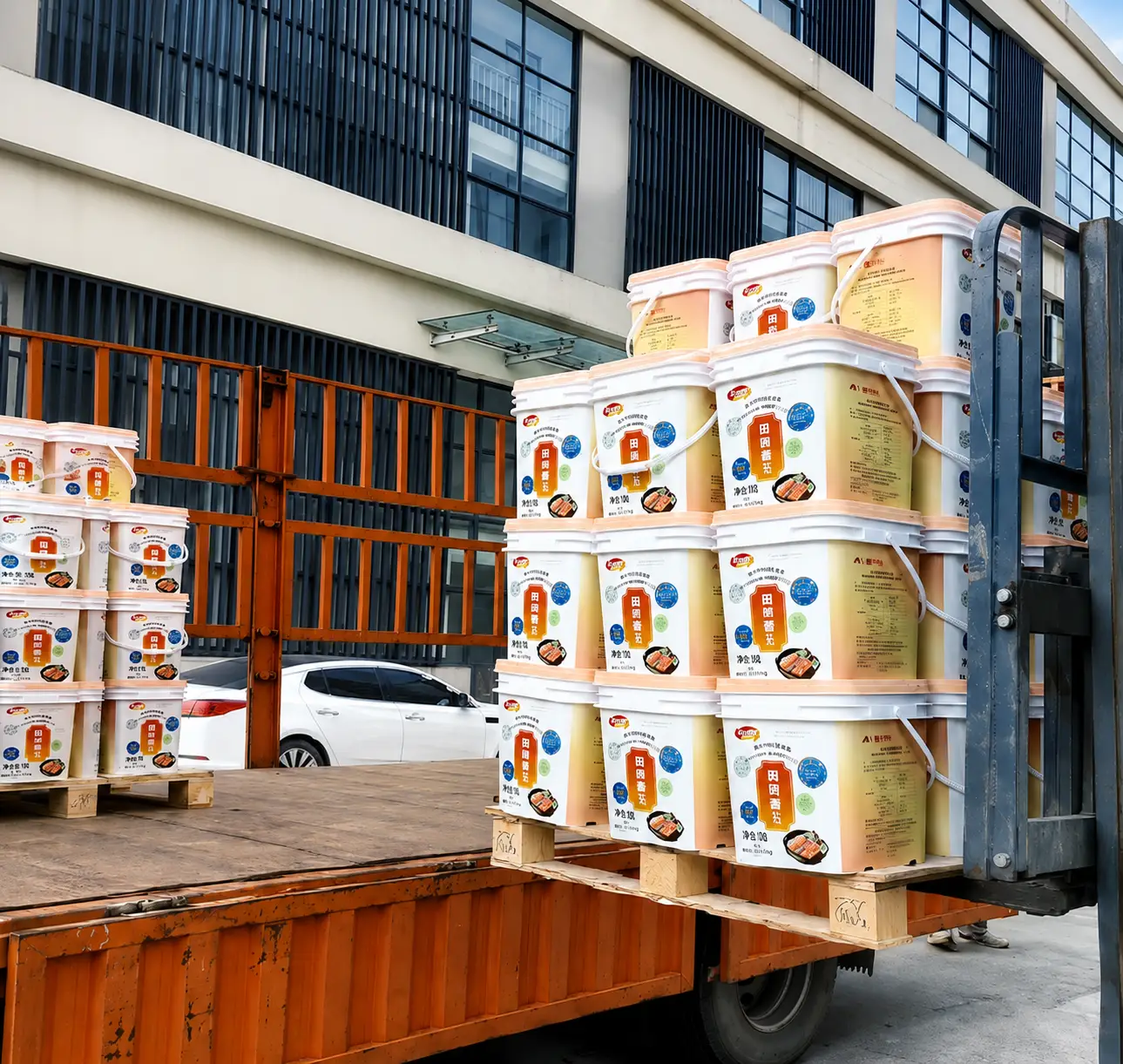
Logistics And Delivery
Your finished products are carefully packed, palletized, and shipped to your designated destination
Learn More
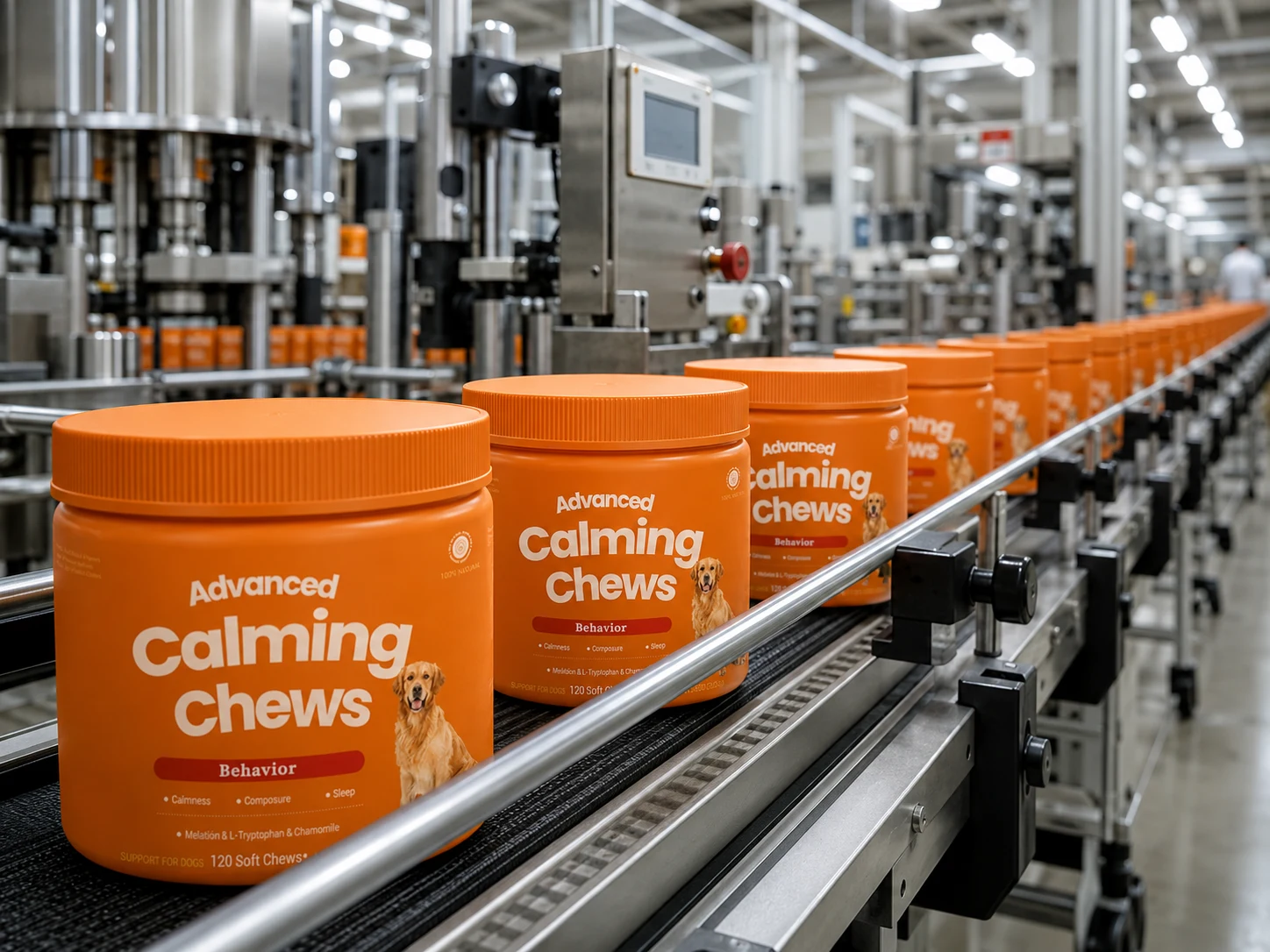
Mass Production
With the sample approved, we move to full-scale manufacturing on our GMP-certified production lines.
Learn More
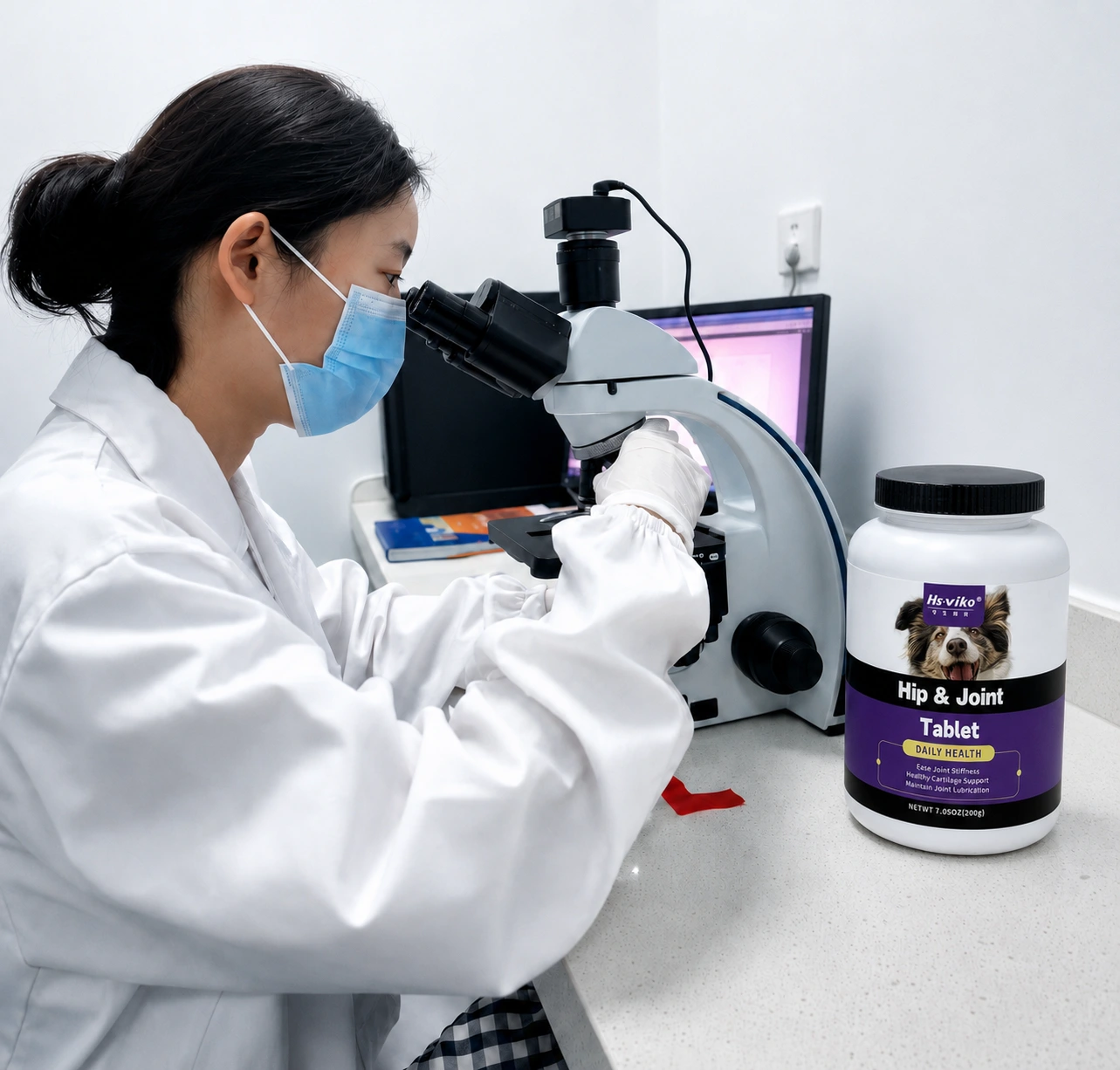
Sample Confirmation
Review and test the samples with your team, focus groups, or target market. We collect your feedback and refine until the product meets your exact expectations
Learn More
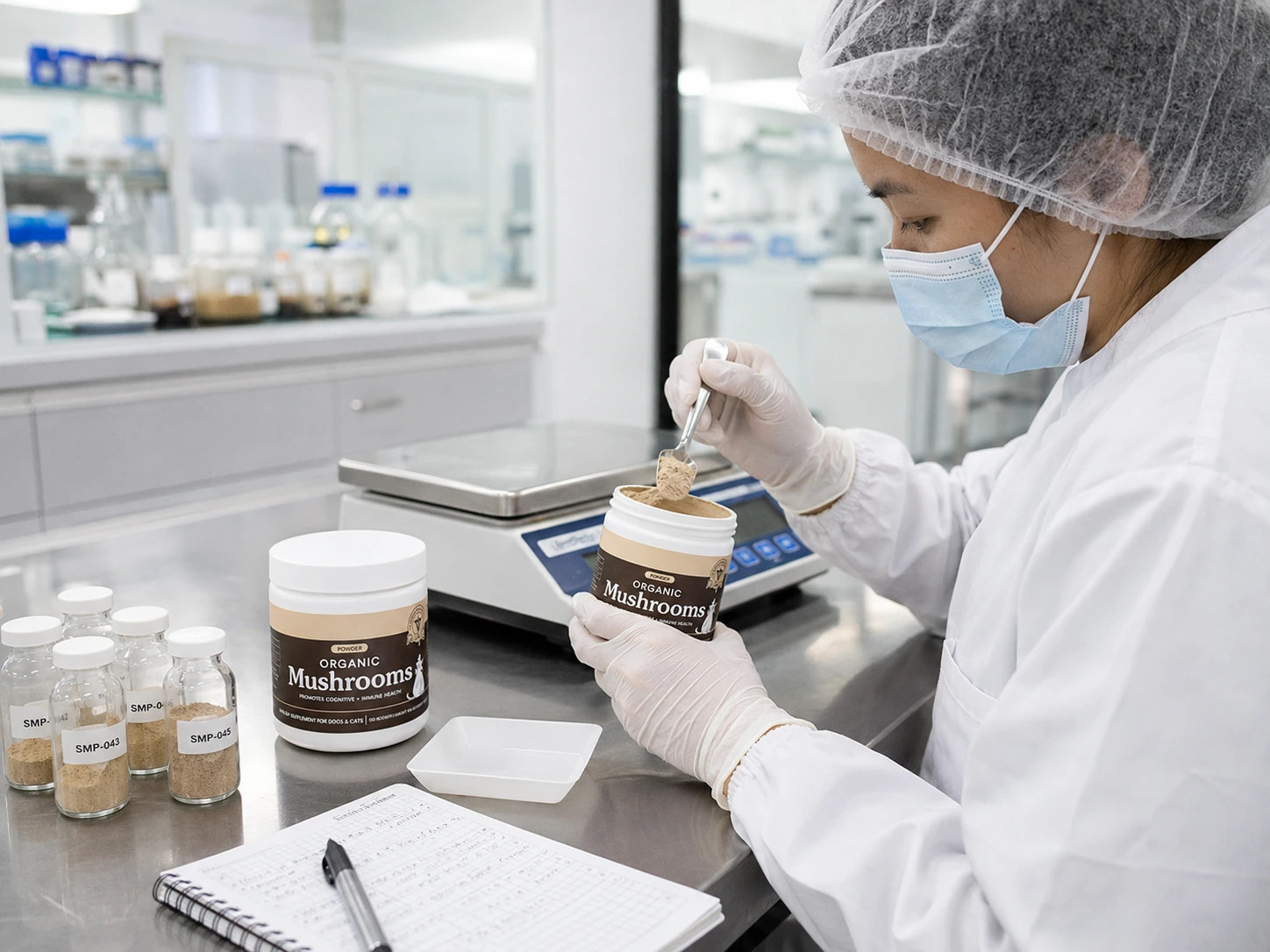
Sample Production
Once the solution is approved, our GMP laboratory produces physical samples of your product. Small-batch pilot production lets you see, touch, and test exactly what your customers will receive
Learn More
Our Solution
-
Solutions For Distributors & Retailers
Reliable pet supplement supply with competitive pricing. Multi-category products, flexible ordering, white label options, and full channel support for distributors and retailers. -
Solutions For Startups & E-commerce
Start your pet supplement brand with just 500 units. Flexible OEM/ODM, custom formulation, fast iteration, and one-stop service from concept to shelf. Get started today. -
Solutions For Established Brands
Trusted by leading pet brands. GMP/FDA/cGMP/USDA certified manufacturing with cost optimization, scalable capacity, and regulatory compliance support. Request a quote today. -
Professional Pet Supplement Manufacturing Solutions
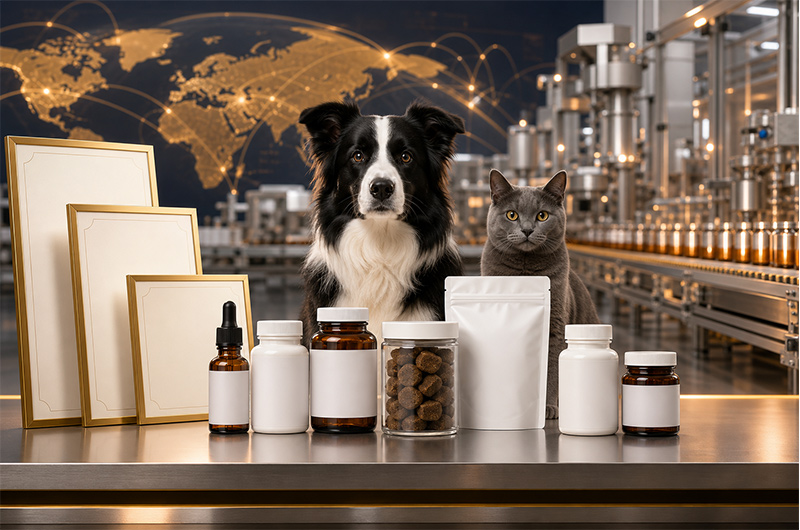
Hs.viko provides customized manufacturing solutions across six major dosage forms, combining GMP production capability, R&D expertise and flexible manufacturing capacity for global pet markets.


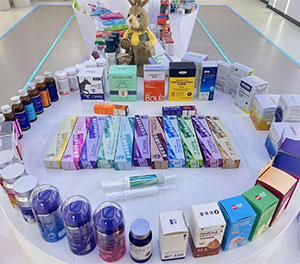
Hs・Viko Bioengineering (Luohe) Ltd.
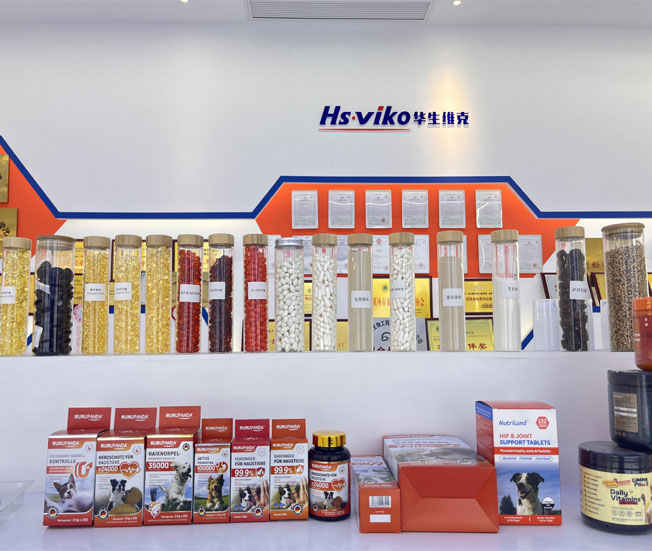
Hs・Viko, a Hong Kong-held high-tech enterprise encompassing the entire pet health industry chain, is the chairman unit of the Henan Pet Industry Association. Rooted in the Luohe National Pet Industry Park, it is a leading pet health product source factory in the Central Plains region, integrating R&D, GMP standardized production, global trade, and brand OEM/ODM customization.
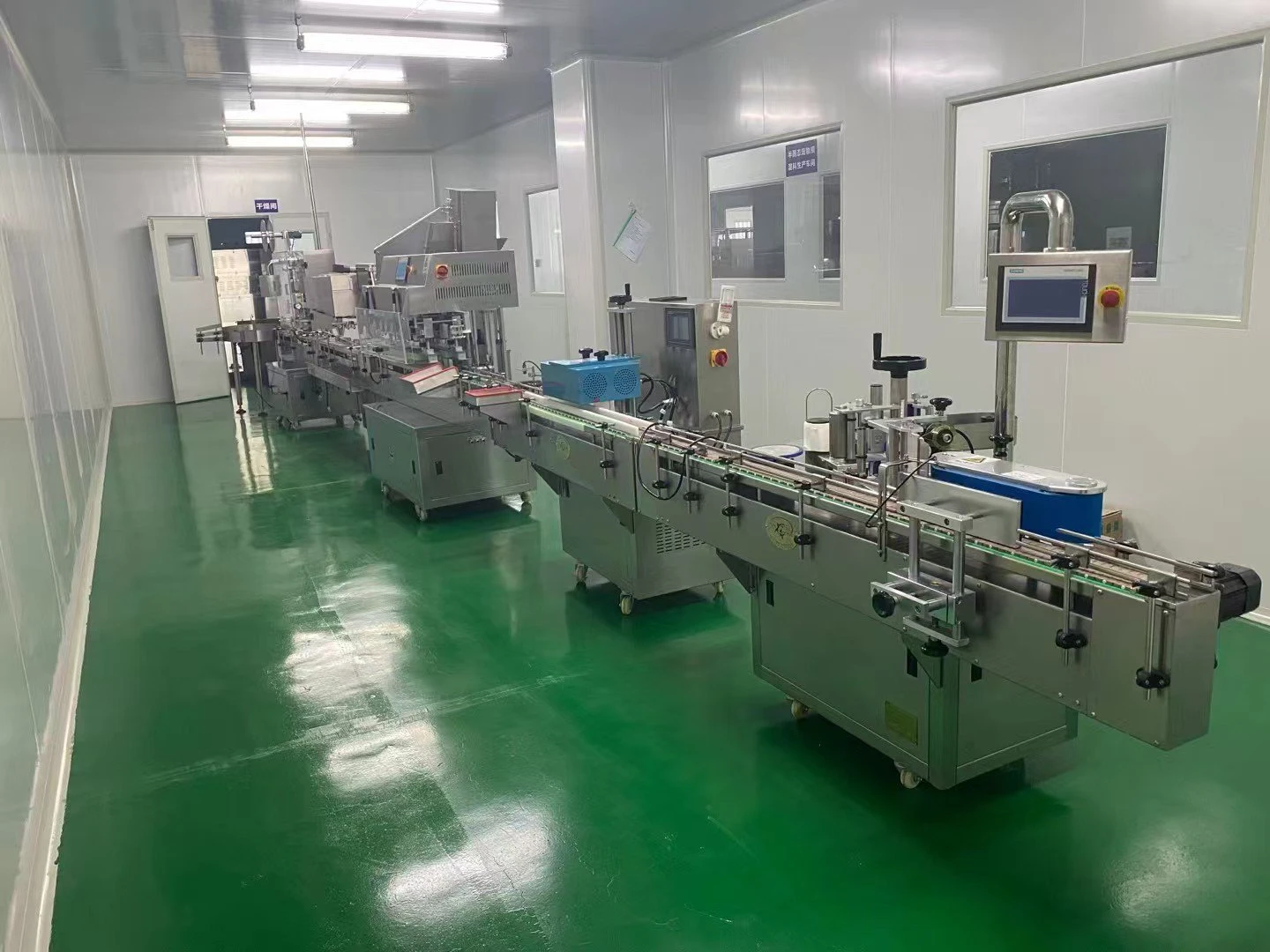
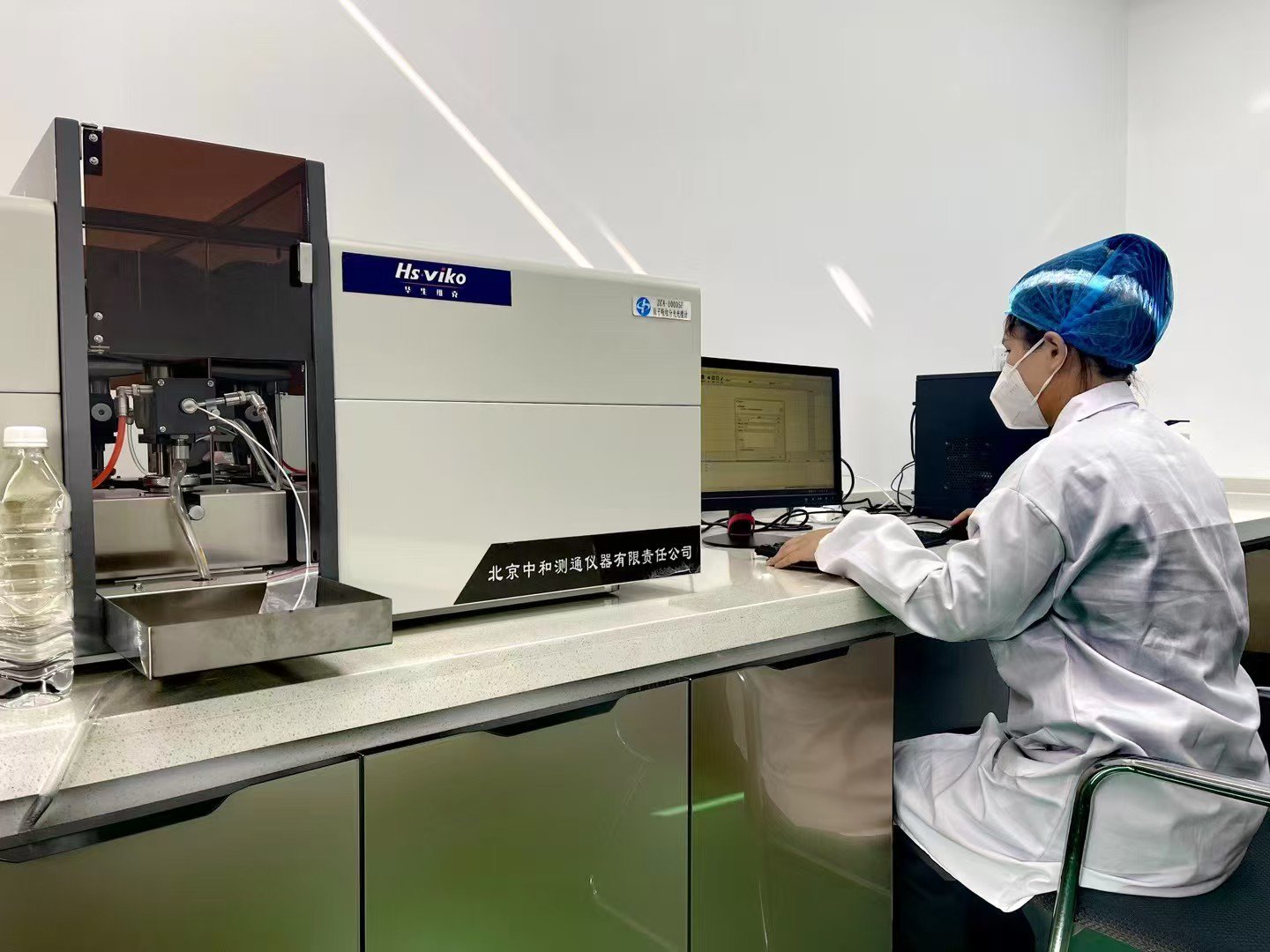
The company has invested 200 million RMB to build a 500,000-level clean GMP production base, equipped with 16 fully automated production lines for all dosage forms, a 1200㎡ independent high-precision R&D and testing laboratory, 25 product patents, and 244 registered trademarks. It has been recognized as a National High-tech Enterprise and an AAA-level trustworthy supplier, and has obtained ISO, HACCP, and US FDA export certifications.



00 million+
GMP-standardized production base

00 K-Class
Clean and sterile production workshop

00 ㎡
Smart Warehousing Cloud Warehouse

00 ㎡
Independent high-precision R&D and testing laboratory

00
Registered trademarks across all categories

00 +
Independently developed dog and cat care products

00 +
Countries and regions

00 million+
First-year sales of overseas business
Our Blog
Our Latest News Update

- 30th October 2026
U.S. Pet Supplement Labeling: An FDA and AAFCO Guide for Brands
Learn how U.S. pet brands should handle FDA rules, AAFCO model labeling, ingredients, claims, and state requirements before launch.

- 29th October 2026
Fish Oil Softgels vs Liquid vs Emulsified vs Powder for Pets
Compare fish oil softgels, liquid, emulsified, and powder formats for pets by EPA/DHA delivery, stability, packaging, feeding routine, and OEM requirements.

- 23rd October 2026
How to Choose Private Label Dog Joint Supplements: Ingredients and Formats
Build private label dog joint supplements with glucosamine, chondroitin, MSM, and the right delivery format for your brand.

- 22nd October 2026
Brand Buying Guide to Private Label Fish Oil for Dogs and Cats
Learn how to choose private label fish oil for dogs and cats by comparing EPA and DHA, delivery formats, stability, claims, MOQ, and supplier controls.

- 16th October 2026
Private Label Pet Probiotics: Strains, CFU, Formats, and Manufacturing
Private label pet probiotics are not defined by a high CFU number alone. A commercially reliable product depends on strain identity, a defensible dose claim, a carrier that protects viability, a format pets will accept, and packaging that preserves the label claim through shelf life. For a brand team, the development question is not simply “Which probiotic should we add?” It is “Which strain-format-package system can be specified, manufactured, tested, and sold in the target market?”
This guide gives buyers and product managers a practical framework for developing dog or cat probiotic supplements with an OEM/ODM partner such as Hs・Viko, while separating catalog-confirmed formats from project details that require formulation and validation.
Start with the strain, not the headline CFU
A probiotic should be identified at the level supplied by the ingredient partner: genus, species, and strain designation where available. “Lactobacillus” or “multi-strain blend” is not a complete technical identity. The specification should also state the intended function, analytical method, carrier, storage conditions, and whether the count is declared per serving, per gram, or per container.
Confirm identity and evidence
Ask for a current technical data sheet, certificate of analysis, allergen and contaminant information, and documentation supporting the strain identity and intended use. Evidence should match the species, strain, host, dose, and claim being considered. General human or laboratory data should not automatically become a dog or cat claim. Regulatory review remains market-specific; in the United States, the brand should align ingredient and label decisions with qualified review of FDA animal-food requirements and AAFCO guidance for pet-food businesses.
Choose a blend for a reason
A blend can broaden a concept, but more strains also create more interactions to manage. Compare compatibility, relative abundance, carrier needs, moisture sensitivity, and the ability to assay the finished blend. A simple formula with a clear rationale is often easier to validate than a long ingredient list that cannot be measured consistently.
Treat CFU as a label claim with a time point
CFU, or colony-forming units, estimates viable organisms under a defined test method. It is not the same as total cells, weight of powder, or a guaranteed health outcome. A product brief should state whether the target is CFU at manufacture, at release, or through the end of shelf life. “Guaranteed at expiration” and “minimum at production” are materially different commercial promises.
Formulators may use an overage to account for expected loss during blending, processing, shipping, and storage. Overage is not a substitute for stability evidence: too little creates an under-claim, while too much can affect cost, sensory properties, flow, or regulatory review. The final specification should connect the declared CFU, assay method, sampling plan, and acceptance limit.
For private label procurement, request a sample report that makes the unit clear, identifies the test method, and distinguishes the ingredient assay from finished-product results. Do not publish a strain name, CFU count, or shelf-life guarantee until the selected material and packaged formula have been confirmed.
Match the probiotic to the dosage format
Format changes the risk profile. A dry powder may offer a short ingredient list and flexible serving size, while a soft chew adds palatability and a more visible daily ritual. Liquids or drops can simplify administration for some pets but may expose the organisms to water and oxygen. Capsules and tablets can protect a dry fill, yet they may be less convenient for animals that resist pills.
Powders and sachets
Powders need control of moisture pickup, segregation, flow, and serving uniformity. A carrier can improve dispersion, but it also changes bulk density and may affect flavor. Define scoop or sachet accuracy, fill weight, reconstitution instructions where relevant, and the package barrier before approving the formula.
Soft chews
Soft chews combine a probiotic with a moisture-containing matrix, so water activity, heat exposure, mixing order, and conditioning become central questions. The active may be added late or protected in a compatible premix, depending on the strain and process. Palatability testing should evaluate aroma, texture, aftertaste, and repeat acceptance in the proposed package.
Liquids, emulsions, capsules, and tablets
Liquid or emulsified formats require evidence that the organism remains viable in the finished vehicle, not just in the incoming powder. Capsules and tablets shift the focus toward powder flow, compression or encapsulation stress, disintegration, and moisture ingress. The catalog supplied by Hs・Viko shows probiotic concepts across powder, chew, liquid or emulsified, capsule, and tablet presentations; exact strain-format compatibility is a project decision, not a blanket capability claim.
Engineer stability around the real package
Probiotics can be sensitive to heat, moisture, oxygen, light, pressure, and time. Stability work should use the final formula, final process, and intended container-closure system. Track viable count alongside appearance, odor, moisture or water activity, texture where relevant, package integrity, and any other quality attribute that could change.
Packaging choices may include high-barrier bottles, pouches, sachets, liners, desiccants, or oxygen-control components, but compatibility must be demonstrated. A desiccant that protects viability may change chew texture or create consumer-use concerns. Repeated opening, headspace, shipping temperature, and warehouse humidity can matter as much as the initial seal.
Build a manufacturing and testing plan
A useful development plan turns the brief into controlled gates. The partner should identify what is confirmed, what is conditional, and what must be tested before scale-up.
Define the target species, serving, claim boundary, strain identity, CFU time point, format, flavor, pack count, market, and storage statement.
Review incoming probiotic specifications, carrier compatibility, allergen status, analytical method, and required documentation.
Run a pilot that records addition order, blend uniformity, process exposure, yield, unit weight, and format-specific quality checks.
Package pilot samples in the intended container and begin a stability protocol appropriate to the formula and proposed shelf life.
Set release tests, investigation rules, change-control responsibilities, and the evidence required before artwork approval and commercial production.
For Hs・Viko projects, the supplied catalog confirms a broad pet-supplement portfolio and multiple probiotic delivery formats. The next RFQ should therefore request the proposed strain documentation, target CFU basis, pilot route, testing plan, package recommendation, and assumptions behind any claim or shelf-life statement. The company’s OEM/ODM workflow can be used alongside its manufacturer-selection guide when comparing development responsibilities.
Questions to put in a private label probiotic RFQ
Which strain or blend is proposed, and what documentation supports identity, potency, and intended use?
Is the CFU target stated at manufacture, release, or end of shelf life, and which method will verify it?
What overage, carrier, and process controls are assumed, and what evidence supports them?
Which formats can be piloted with the selected strain, and how will heat, moisture, oxygen, and shear be controlled?
Which finished-product, packaging, and stability tests are included, and who owns the specifications and label review?
Conclusion
The strongest private label pet probiotic is a connected system: a correctly identified strain, a clearly defined CFU claim, a viable format, a controlled process, and packaging that protects the result. Use the product brief to expose trade-offs early, require finished-product evidence, and treat every strain, dose, format, and shelf-life statement as a project-specific specification. That discipline gives Hs・Viko and the brand owner a clearer path from concept to a credible commercial product.
Frequently asked questions
What does CFU mean on a pet probiotic label?
CFU means colony-forming units, an estimate of viable organisms under a defined method. The label should make clear whether the count is stated at manufacture, release, or through shelf life.
How many probiotic strains should a private label formula contain?
There is no universal best number. Choose strains for a documented rationale, compatibility, measurable potency, and the claims and format the product can support.
Are probiotics suitable for soft chews?
They can be, but a soft chew adds moisture, heat, and matrix interactions. The selected strain and process must be evaluated in the finished chew and package.
What packaging protects pet probiotics?
The right package depends on moisture, oxygen, light, opening frequency, and format. Barrier performance and stability should be confirmed with the final formula and closure system.
For a project fit check, contact the Hs・Viko technical team with the target species, strain brief, CFU basis, format, serving, packaging, market, and required testing documents.

- 15th October 2026
Pet Soft Chew Manufacturing from Formula to Packaging
Pet soft chew manufacturing converts a nutritional concept into a repeatable dosage form by controlling the formula, palatability, stability, and packaging. A chew can look acceptable yet fail if the active load changes its texture, the flavor fades, units vary in weight, or moisture moves through the package. The process starts with a measurable brief and ends after the packaged product passes release and shelf-life review.
For Hs・Viko private-label projects, these controls help turn a selected concept into a production-ready specification rather than an untested product idea.
Define the product brief before formulation
The brief should identify the species, life stage, intended support, daily serving, unit weight, market, flavor, shape, pack count, storage, and claim boundaries. These choices determine how much material each chew must carry and how the product will be evaluated. A small unit has less room for bulky actives, while a high-oil concept may need different processing and packaging from a dry mineral formula.
Regulatory classification and label requirements depend on intended use, claims, ingredients, and market. For a US launch, use the FDA FSMA material and AAFCO startup guidance to frame qualified regulatory review. The brand owner still needs to approve the brief, claims, label, and market pathway.
Build a formula that can be manufactured
A soft chew formula combines functional ingredients with a matrix that can be mixed, formed, handled, and stored. Each binder, carrier, fat, humectant, flavor, antioxidant, or processing aid should have a technical purpose and suit the target market. Oils can soften the matrix and oxidize, hygroscopic powders can pull in moisture, mineral loads can feel gritty, and some actives introduce bitterness or odor.
Balance active load with the chew matrix
The target dose must fit the matrix. Formulators review active concentration, bulk density, particle size, heat and moisture sensitivity, and flavor impact before choosing a unit weight. Excessive active load may cause cracking, smearing, hardening, equipment sticking, or poor acceptance. The solution may be a larger unit, another ingredient form, a revised serving, or a different dosage format.
Design for uniformity at the serving level
A correct batch average does not prove that each chew delivers the intended amount. Low-dose materials may require a controlled preblend. Define order of addition, mixing time, sampling locations, and limits for unit weight or content uniformity, especially when ingredients can segregate, clump, absorb liquid, or coat other particles.
Treat palatability as a product requirement
Palatability includes aroma at opening, first bite, texture, aftertaste, and repeat acceptance. It should develop with the nutritional brief because flavor cannot always mask a bitter active, rancid note, gritty mouthfeel, or dry texture. Species, serving size, ingredient restrictions, and market positioning further limit the options.
Control flavor and aroma through processing
Flavor materials may be sensitive to heat, oxygen, or long holds. A pilot should confirm their point of addition and whether mixing, forming, cooling, and storage preserve aroma. Evaluate the final chew in its proposed package. Agree on trial design and acceptance criteria before interpreting palatability results.
Make texture measurable
Terms such as soft and chewy are weak release criteria. Translate the desired bite into controls such as unit weight, dimensions, moisture, water activity, firmness, appearance, and handling behavior. Because texture changes during cooling and storage, assess fresh chews and aged samples from the intended package.
Prove the manufacturing route at pilot scale
Soft chews can be formed by routes including compression or molding and wet extrusion or related shaping. The suitable route depends on the matrix, actives, geometry, equipment, and throughput. A laboratory recipe does not automatically transfer to commercial equipment.
The pilot batch establishes the operating window. Record temperatures, addition order, mixing time, forming settings, hold time, conditioning, yield, unit variation, and approved adjustments. Pack samples in the proposed container so palatability and stability observations reflect the commercial product. Pilot evidence should support the batch record, specification, sampling plan, and scale-up decision.
Control commercial production
The exact equipment varies, but a commercial batch usually follows a traceable sequence:
Clear and prepare the line, then verify sanitation status and the absence of materials or labels from the previous job.
Dispense released ingredients against the approved batch record and retain supplier and internal lot links.
Prepare preblends or liquid phases needed for even distribution and controlled incorporation.
Mix the chew matrix in the defined order while monitoring time, temperature, and consistency.
Form, portion, and condition the chews under settings established during pilot work.
Perform in-process checks, reconcile actual yield with expected yield, and investigate unexplained loss or variation.
In-process checks may cover appearance, temperature, piece weight, dimensions, texture, moisture, or water activity. Limits should state when production can continue, when adjustment is allowed, and when quality review is required. Rework, extra drying, or added liquid may affect uniformity and shelf life and therefore needs controlled approval.
Control moisture oxidation and shelf stability
Use moisture and water activity for different questions
Moisture content describes how much water a chew contains, while water activity indicates how available that water is for reactions and microbial growth. Similar moisture levels can behave differently when ingredients bind water differently. Formula-specific limits may use both measures with texture and microbiological criteria; they should not be copied from another product.
Protect vulnerable ingredients
Fats, flavors, botanicals, vitamins, probiotics, and other sensitive ingredients respond differently to heat, oxygen, light, and moisture. Controls may include ingredient form, point of addition, temperature, antioxidant strategy, headspace, and package barrier. Each choice needs formula-specific evidence and appropriate technical and regulatory review.
Match packaging to the product risk
Packaging is part of the stability system. The bottle or pouch, closure, liner, seal, and any validated moisture or oxygen control should protect the chew through shipping and repeated opening. Assess barrier performance, light sensitivity, aroma retention, seal integrity, headspace, and the risk of sticking or deformation. Desiccants or oxygen absorbers require compatibility and consumer-use review.
Artwork control belongs in the packaging plan. Before filling, confirm the product, pack count, directions, ingredient statement, warnings, lot coding, and market. Line checks should verify components, readable codes, closure, seal, and finished count or weight. Transit testing may be warranted when heat, vibration, or orientation could alter texture or seals.
Verify release and shelf life with evidence
Finished-product release combines batch records, deviations, in-process results, packaging reconciliation, and laboratory testing. Depending on the formula, tests may cover identity, assay, uniformity, microorganisms, moisture, water activity, oxidation, dimensions, weight, texture, and seal integrity. An out-of-specification result needs documented investigation and disposition.
Shelf life requires separate evidence. Real-time studies show packaged performance under labeled storage; suitable accelerated studies may provide earlier direction. Test the attributes most likely to change, including active level, odor, color, texture, microbial status, moisture, and package condition. The date statement should reflect the actual formula and container-closure system.
Prepare a production ready RFQ
A useful RFQ identifies the species, intended support, formula status, target actives, serving, chew weight, shape, flavor, pack count, quantity range, market, packaging, claims, and required documents. Ask what must be confirmed through formulation, pilot, palatability, stability, and packaging trials so essential development work is visible in the quotation.
Ask which process route and equipment are proposed for the specific formula.
Define who approves formula changes, flavor, color, shape, packaging, artwork, and test methods.
Separate development, testing, packaging setup, production, freight, and repeat-order assumptions.
Hs・Viko presents dog and cat soft chews across multiple functional concepts in its catalog, with selectable bottle colors and flower, heart, bone, and cylinder shapes. Formula compatibility, unit size, packaging, market requirements, and specifications still need project-level confirmation.
Review the company’s OEM/ODM workflow and use its manufacturer evaluation checklist before requesting a sample or quotation.
Conclusion
A pet soft chew is a controlled dosage form. Formula design determines whether the active load can be mixed and formed; palatability affects repeat acceptance; moisture, oxidation, and ingredient sensitivity shape stability; and packaging protects the result. Define measurable targets, prove the process at pilot scale, and require release and shelf-life evidence for the packaged product.
Frequently asked questions
How are pet soft chews manufactured?
Manufacturers dispense ingredients, prepare preblends or liquid phases, mix the matrix, form and condition the chews, perform in-process checks, package the units, and review the batch before release. The exact route depends on the formula and equipment.
Why does palatability affect formulation?
Taste, aroma, texture, and aftertaste depend on the actives and matrix. Flavor cannot correct every bitter, oxidized, gritty, or dry product, so palatability belongs in formulation and pilot work.
What is the difference between moisture and water activity?
Moisture measures water quantity. Water activity reflects its availability for reactions and microbial growth. Both may matter to texture, process limits, and shelf stability.
What packaging is used for pet soft chews?
The package depends on moisture, oxygen, light, aroma, and handling risks. Bottles or pouches may use liners, seals, or validated controls, but the final system must be tested with the formula.
For a project fit check, contact the Hs・Viko technical team with the target species, intended support, formula status, active load, daily serving, chew size, flavor and shape preferences, pack count, quantity range, destination market, and testing or packaging requirements.