
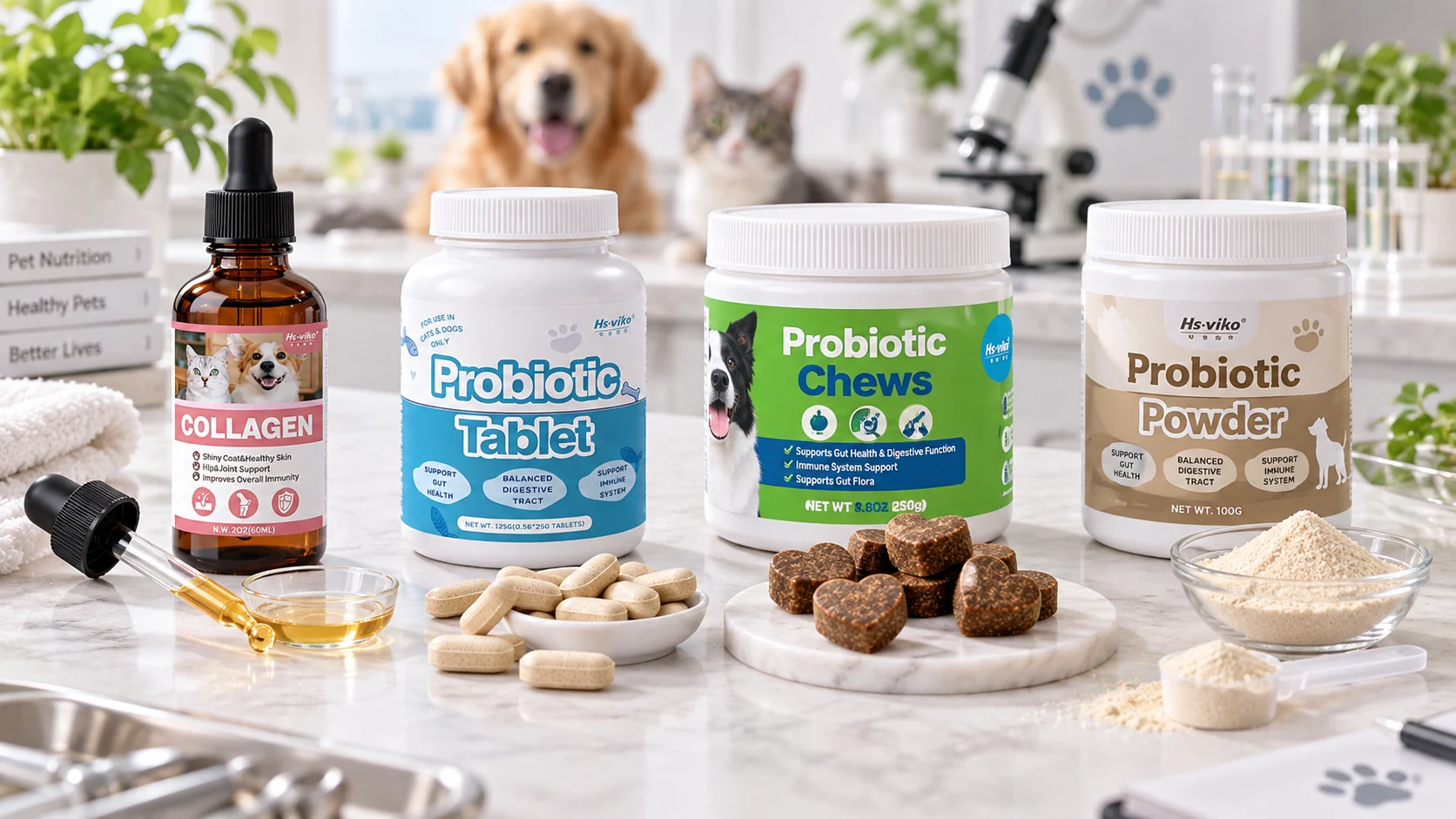
Pet Supplement MOQ Explained: Minimum Order Factors
-
 admin
admin
- 25th September 2026
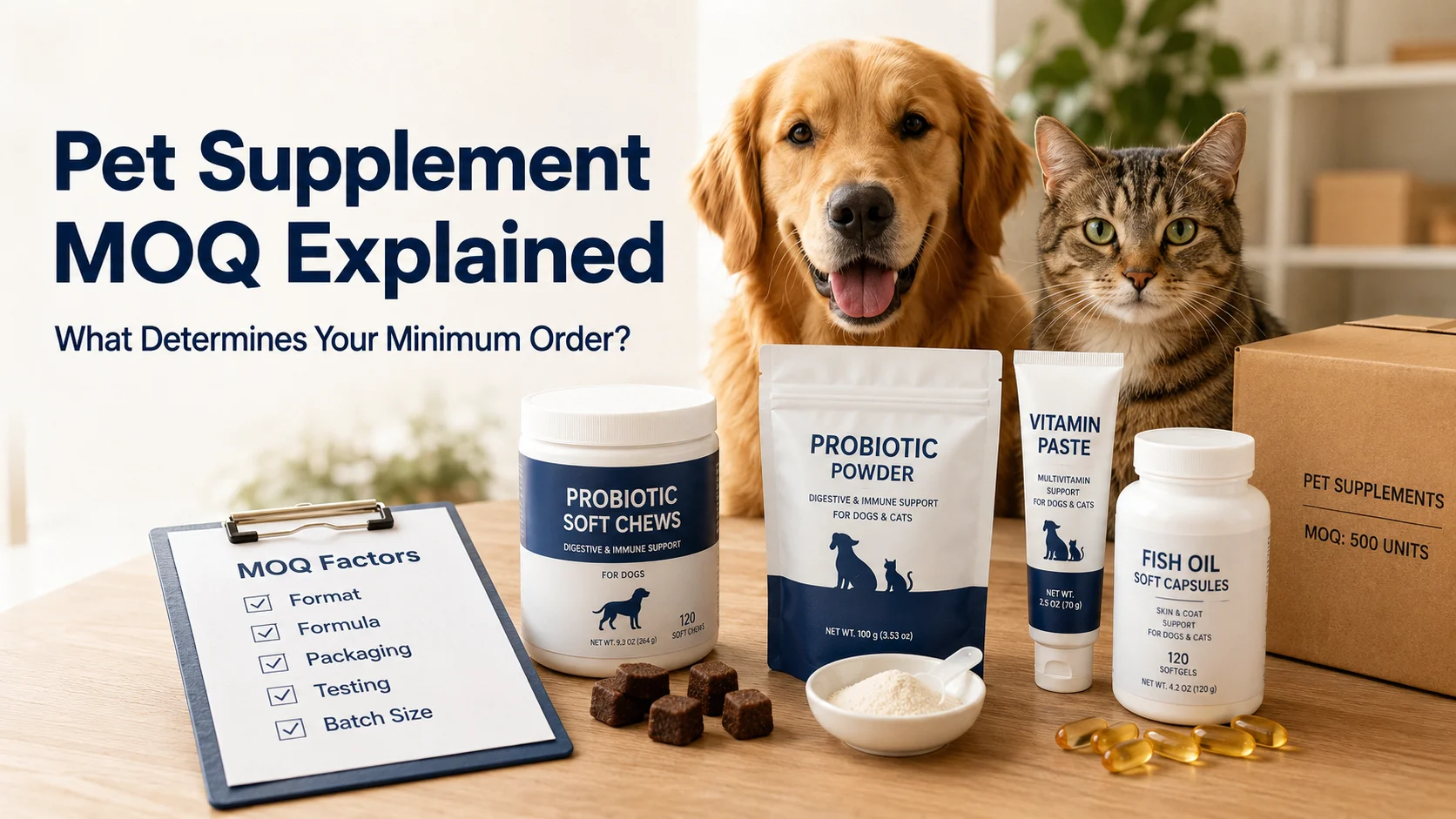
Minimum order quantity (MOQ) is the smallest production commitment a supplier will accept for one product configuration. In pet supplements, MOQ is rarely a random number: it usually reflects the batch size, ingredient purchasing, packaging setup, testing, labor, and line time needed to make the order economically and consistently. The same supplier can quote different MOQs for chews, tablets, liquids, powders, or capsules.
For a buyer, the useful question is not “What is your lowest MOQ?” but “What assumptions create this MOQ, and which of them can we change?” This guide shows how to read an MOQ quote, lower avoidable commitments, and prepare a request that lets Hs・Viko evaluate the right product instead of guessing.
What MOQ actually covers
An MOQ is normally stated per SKU, not per brand. A different flavor, strength, animal species, pack size, label, or container can create a new production configuration. Some factories also separate a product MOQ from a packaging MOQ, a print-run minimum, or a total order value. Ask the supplier to define the unit clearly: finished units, cases, kilograms, liters, or a monetary threshold.
- One SKU: formula, flavor, format, strength, and serving direction.
- One pack configuration: container, closure, label size, case pack, and coding.
- One production release: batch records, in-process checks, finished-product testing, and documentation.
- One commercial commitment: the quantity and payment terms required to reserve materials and capacity.
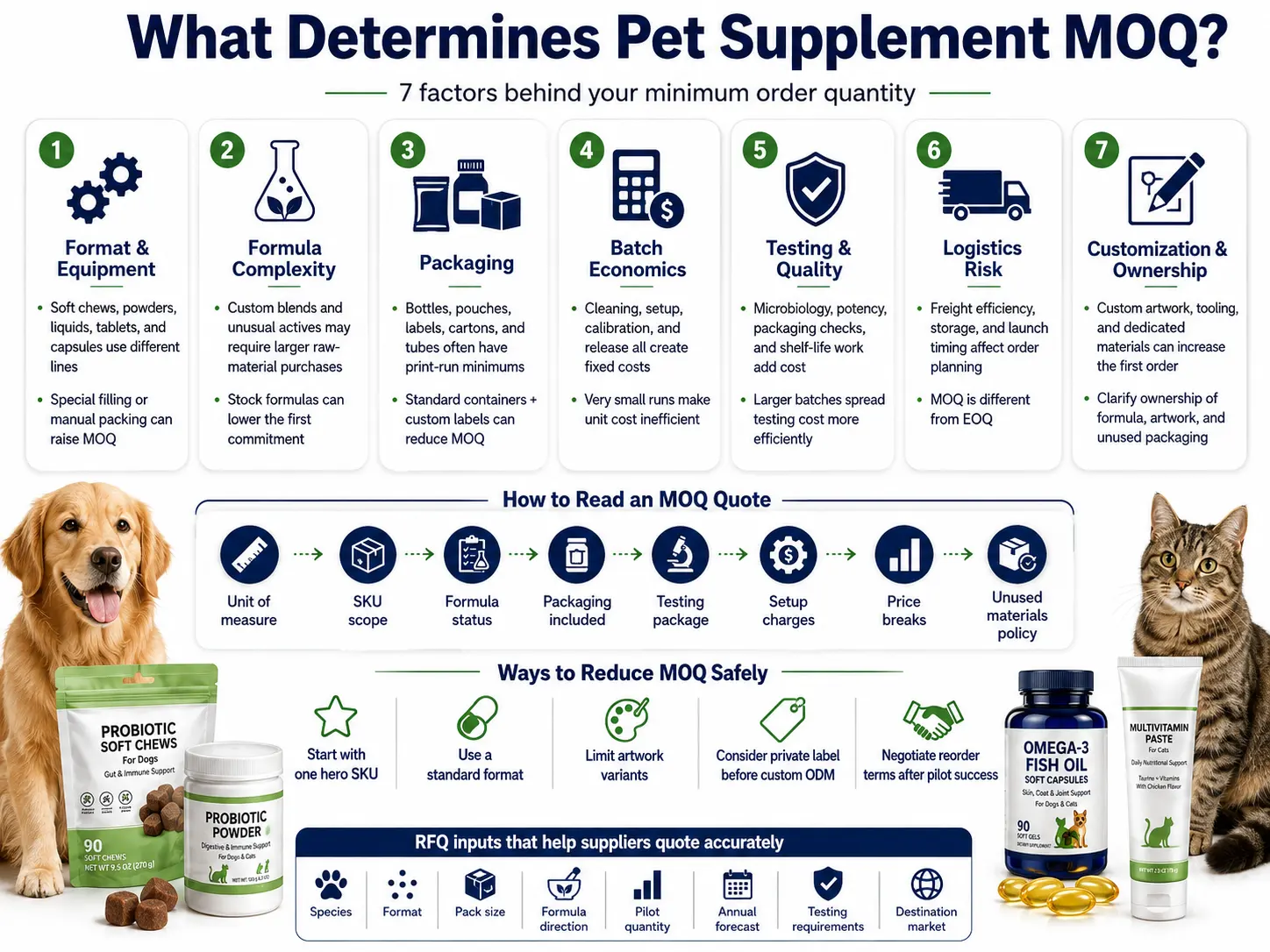
The seven factors that determine pet supplement MOQ
Delivery format and equipment
Format is often the first driver. Soft chews, tablets, capsules, pastes, liquids, and powders use different equipment, changeover procedures, and packaging lines. A format that runs in large, repeatable batches may carry a different minimum from a product that requires special filling, controlled mixing, or manual packing. Hs・Viko product range lists these formats, so the MOQ conversation should begin with the exact format rather than the broad category “pet supplement.”
Formula complexity and ingredient sourcing
A simple stock formula can be easier to schedule than a custom blend with many actives, a specific flavor system, unusual dosage targets, or restricted ingredients. Suppliers may need to buy raw materials in supplier pack sizes that exceed your finished-unit requirement. Low-use ingredients can therefore raise the effective MOQ, create a material surcharge, or require a shared-batch arrangement. Ask whether the quote assumes a standard formula, a custom formula, or a customer-supplied ingredient.
Packaging and printed materials
Bottles, pouches, sachets, tubes, cartons, labels, and tamper components are usually purchased in runs. Custom colors, special finishes, multiple languages, or a new mold can add setup quantities before the first unit is filled. To compare quotes, request a line-by-line split between product MOQ and packaging MOQ. A standard container with a custom label may reduce the first commitment while preserving brand identity.
Batch economics and line changeover
Every run consumes fixed time for cleaning, setup, calibration, sampling, and release. When the order is too small, those fixed activities dominate the unit cost. A manufacturer may therefore set a minimum that keeps the line productive and avoids excessive changeovers. Combining several SKUs is not automatically a solution: shared production only works when the formulas, allergen controls, scheduling, and documentation allow it.
Testing, stability, and quality documentation
The required evidence depends on the formula and the claims being made. Identity checks, microbiological testing, potency verification, packaging checks, and shelf-life work all have costs that are easier to absorb across a larger batch. Ask which tests are included in the quoted MOQ, which are optional, and whether a pilot batch can use a reduced scope without compromising the release decision or the intended US label.
Inventory and logistics risk
A supplier may set MOQ to avoid holding slow-moving materials or finished goods. The buyer may also request a higher quantity to reach freight efficiency, a retailer case requirement, or a launch calendar. Separate manufacturing MOQ from your economic order quantity (EOQ): MOQ is the supplier’s floor, while EOQ is the quantity that makes sense after demand, cash, storage, freight, and reorder timing are modeled.
Customization and ownership
Custom formulation, artwork development, tooling, or dedicated packaging can create one-time setup charges and a larger first order. Clarify who owns the formula, artwork files, unused packaging, and approved specifications if the project pauses. Hs・Viko describes both private-label OEM manufacturing and custom ODM formulation R&D; review the ODM/OEM program and state whether the project starts from a standard reference or a new development.
How to read an MOQ quote
Read the quote as a set of assumptions, not a single headline number. Confirm the unit of measure, SKU scope, formula status, packaging included, test package, price breaks, setup charges, sample policy, payment milestones, and what happens to unused materials. Then model three scenarios: a pilot quantity, the quoted MOQ, and a reorder quantity based on realistic sales. This makes the cash and storage trade-off visible before artwork is approved.
- Is the MOQ per flavor, strength, species, and pack size?
- Does it include labels, cartons, coding, and finished-goods testing?
- Are ingredients purchased specifically for this order, and who owns any balance?
- Can the supplier hold approved packaging or split delivery without creating a new setup?
- What quality and shelf-life documents are available for each released batch?
Ways to reduce MOQ without weakening the product
The safest MOQ reduction changes commercial assumptions before it changes the product’s quality requirements. Start with one hero SKU, use a standard format and container, limit artwork variants, and avoid unnecessary flavors or pack sizes. Ask whether a stock formula can be private labeled before investing in custom ODM work. Consider a pilot with a clear success gate, then negotiate a reorder schedule once demand is proven.
Do not lower MOQ by removing required testing, hiding a claim change, or accepting materials that do not match the approved specification. A smaller order that creates inconsistent dosing, weak packaging, or untraceable lots is not a useful saving. Instead, request a written comparison of the original and reduced-MOQ options, including unit cost, lead-time assumptions, documentation, and future reorder conditions.
Questions to send Hs・Viko in an RFQ
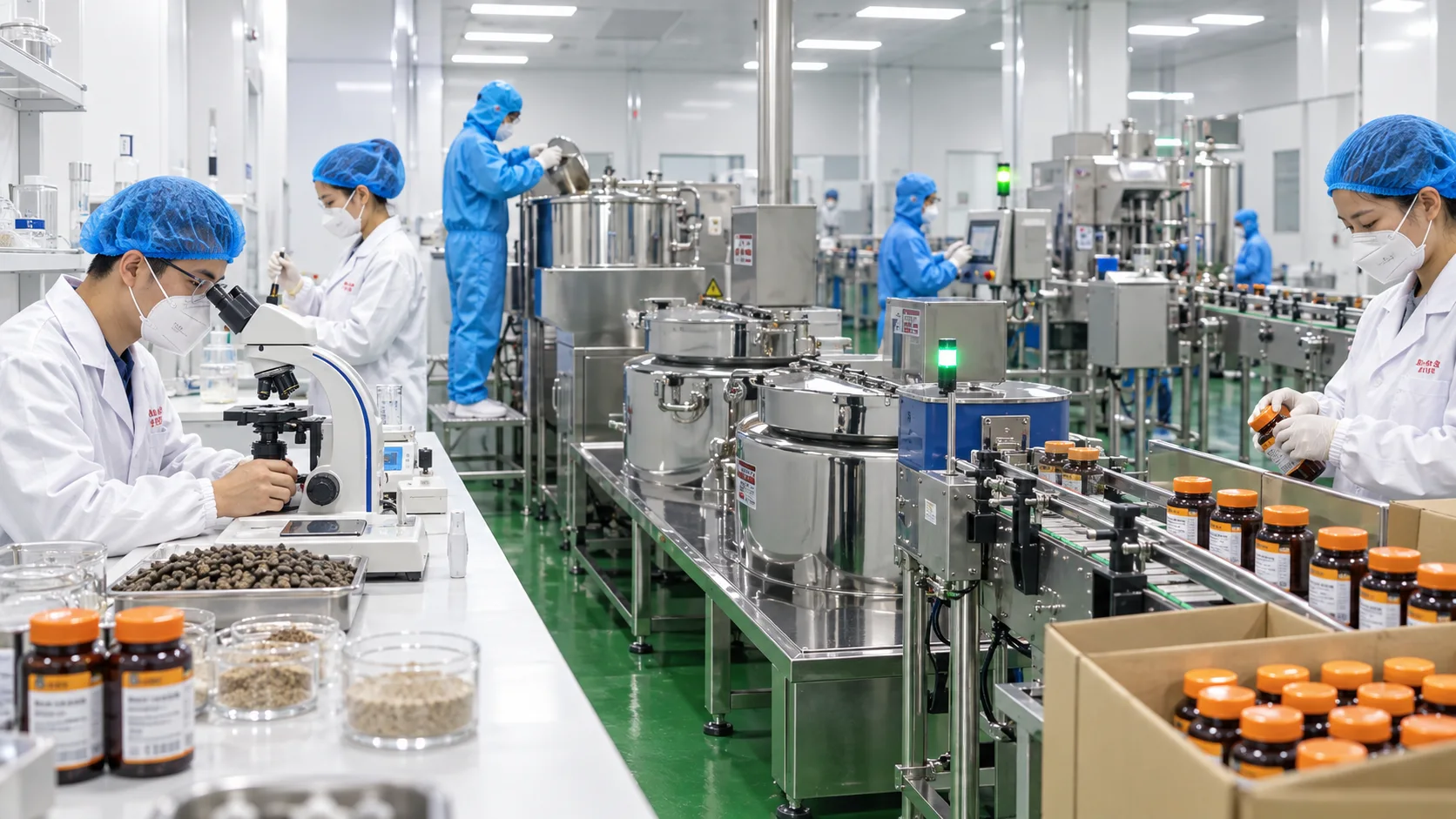
Hs・Viko provides OEM/ODM manufacturing services and a staged process that includes requirement communication, solution design, sample production, sample confirmation, mass production, and logistics. Use those stages to structure a concise RFQ:
- Product: species, format, serving concept, target pack size, and intended US channel.
- Formula: private-label reference or custom objectives, ingredient restrictions, flavor, and allergen controls.
- Packaging: container preference, label dimensions, case pack, coding, and artwork status.
- Quantity: pilot target, acceptable MOQ range, annual forecast, and desired reorder cadence.
- Quality: release criteria, lot documents, testing, shelf-life approach, and sample approval steps.
- Commercials: setup charges, price breaks, payment milestones, freight assumptions, and unused-material policy.
Conclusion
Pet supplement MOQ is the outcome of format, formula, packaging, batch economics, testing, logistics, and customization choices. Treat the number as a model you can inspect and improve, not as a fixed industry rule. A focused first SKU, standard packaging, realistic pilot, and complete RFQ usually create more negotiating room than a request for an unexplained discount.
Hs・Viko can be assessed when its product formats, OEM/ODM path, quality documentation, and fulfillment scope fit your launch plan. Before requesting a firm quote, prepare the exact format, formula direction, pack configuration, pilot quantity, destination states, and intended claims. Then contact the Hs・Viko technical team with the information needed for a SKU-specific MOQ and fit check.
FAQs
Is MOQ the same as a minimum order value?
No. MOQ may be stated in finished units, weight, volume, cases, or dollars. Confirm the unit and whether product and packaging have separate minimums.
Can I combine different pet supplement SKUs to meet MOQ?
Sometimes, but only when the supplier can share materials, equipment time, packaging, and documentation without creating new setups. Ask for the exact conditions.
Does a custom formula always require a higher MOQ?
Not always, but custom ingredients, sourcing, testing, tooling, and dedicated packaging can increase the first commitment. Compare a private-label reference with the custom path.
What is a reasonable first order?
A reasonable first order is the smallest quantity that supports valid testing, compliant release, usable economics, and enough inventory to learn from the target channel. The right quantity is SKU-specific.
admin
personal profile






Contact Us