Soft chews and soft granules
Consider for a chewable daily routine. Review unit weight, texture, flavor and the number of pieces needed per serving.

A successful pet supplement range starts with a clear use case: who will buy it, which animal it is for, how it will be fed and where it will be sold. Hs·viko combines formulation development, manufacturing and packaging support for brands, e-commerce sellers, distributors and retailers.
An initial launch, a supplier transfer and a multi-SKU retail range need different decisions. Use the customer guides below to identify your priorities, then compare product formats and packaging against your channel and budget. Existing formulations and custom development are both options to discuss.
Explore the guide that fits your business. Additional dosage-form guides are available on the next page and through the format links below.




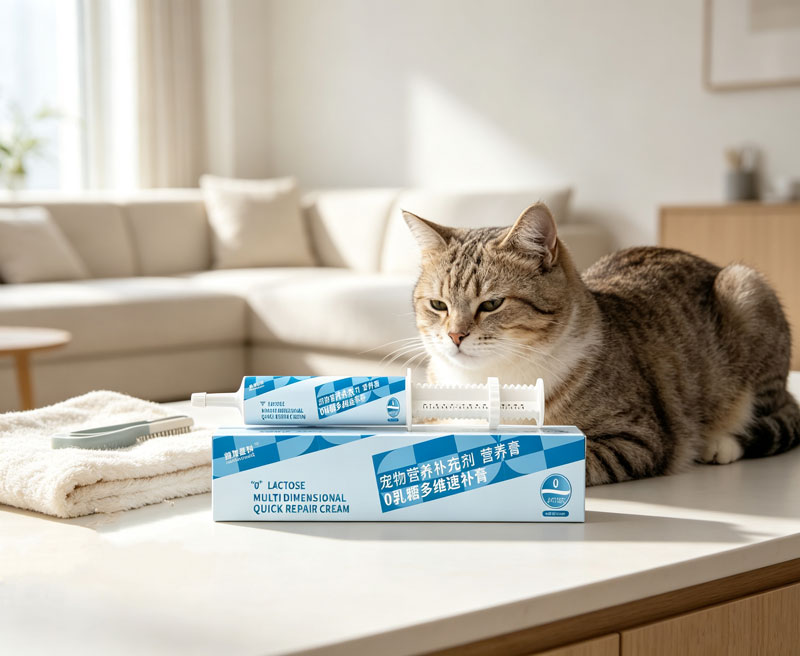
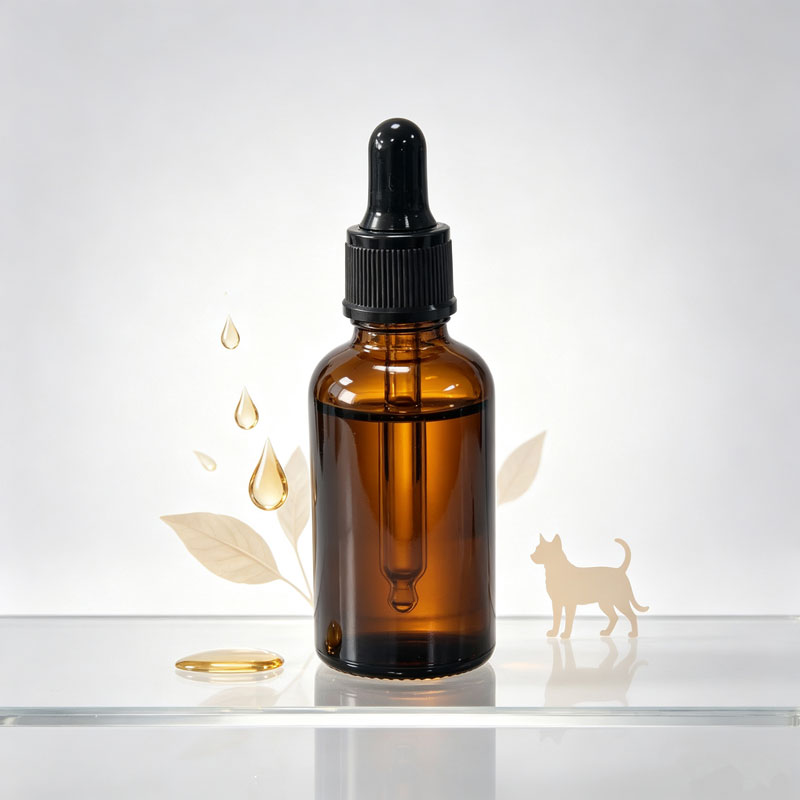
The same nutritional goal can lead to different products. Compare ingredient compatibility, the amount needed per serving, pet acceptance, storage and container suitability. Hs·viko’s product materials cover the following formats; availability and specifications are confirmed for each project.
Consider for a chewable daily routine. Review unit weight, texture, flavor and the number of pieces needed per serving.
Consider for measured vitamin, mineral or joint-nutrition products. Compare tablet size, ingredient load and feeding instructions for the target animal.
Consider for products mixed with food. Discuss serving measurement, blend uniformity, moisture protection and the intended container or sachet.
Explore for suitable oil-based formulations, including fish-oil concepts. Review fill composition, capsule size, shell requirements and storage conditions.
Explore for compatible dry formulations. Evaluate fill weight, capsule size and whether the proposed serving method fits the intended species.
Explore a measured liquid serving. Match formula stability and handling instructions with the bottle, closure, pump or dropper.
Consider a tube or syringe-style presentation. Discuss texture, serving marks, container compatibility and the proposed feeding instructions.
Our development materials include digestive and probiotic concepts, hip and joint nutrition, skin and coat support, multivitamins, oils and nutritional pastes. Select a specific animal and use case before deciding how many products to launch. A dog formulation should not automatically be presented as suitable for cats, and ingredients or serving instructions should not be transferred between products without review.
For an e-commerce launch, compare the proposed pack count, daily serving and cost per day alongside the label’s main message. For a retail range, make each SKU easy for store staff to explain and distinguish. For an established brand, assess how a new format or nutritional position fits the existing range and replenishment plan.
These product pages illustrate four distinct nutritional positions. They are starting points for product discussions; your final formula, serving and packaging are agreed separately.
Start with a defined audience, one nutritional purpose and a manageable SKU scope. Compare an existing formulation with a custom concept, evaluate samples and decide which packaging changes add value. Confirm the actual MOQ and costs for that combination.
Map common pack sizes, label versions, projected demand and reorder windows. If transferring an existing product, provide the reference specification and approval criteria. Agree how formula, material or artwork changes will be reviewed across future orders.
Customization can include formula, flavor, product shape, packaging and brand labels. Share your logo and artwork requirements with the product brief. Unit count, net weight, ingredient declarations and serving information should refer to the same approved specification throughout the label and product listing.
Tell us the destination country and sales channel before choosing the final formula. Ingredient suitability, label language, nutritional claims and import requirements can affect the product plan. Hs·viko can coordinate available product, testing and export information for review with your importer or local adviser.
Request current quality documents with the correct company name, scope and validity. Company materials include ISO 9001:2015 and HACCP certificates for the Luohe entity. A facility registration or quality-system certificate does not replace review of a particular formula, label or destination-market requirement.
An existing option is worth discussing when its composition and format fit your brief. Custom development is more relevant when you need a different ingredient profile, serving, flavor or product concept. Compare the development work, samples, costs and packaging requirements before deciding. See our OEM/ODM process for the next steps.
Yes. Discuss private-label options and packaging under your own brand with Hs·viko. Start with the customer needs and product gaps you see in your channel, then define the product range, label languages, quantities and reorder expectations.
Potentially, but each format needs a feasibility review. The ingredient amount, stability, taste, serving size and packaging may differ. A soft chew, tablet, powder and liquid with similar positioning should each have its own approved formulation and specification.
No. MOQ is quoted for the selected formula, dosage form and packaging. Share your trial quantity and expected repeat demand so our team can discuss an appropriate option. Custom containers or printed materials may have separate purchasing requirements.
Tell us your target market, customer group, animal species, sales channel, preferred nutritional category, budget and intended launch timing. Include a reference product if you have one. We can then discuss suitable formats and the information needed for a quotation.
Share your customer profile, market, product idea and expected quantity. We will discuss the format, customization scope and next development step with you.