-
Home

-
Products
- External Care
- Pet Skin Care Spray
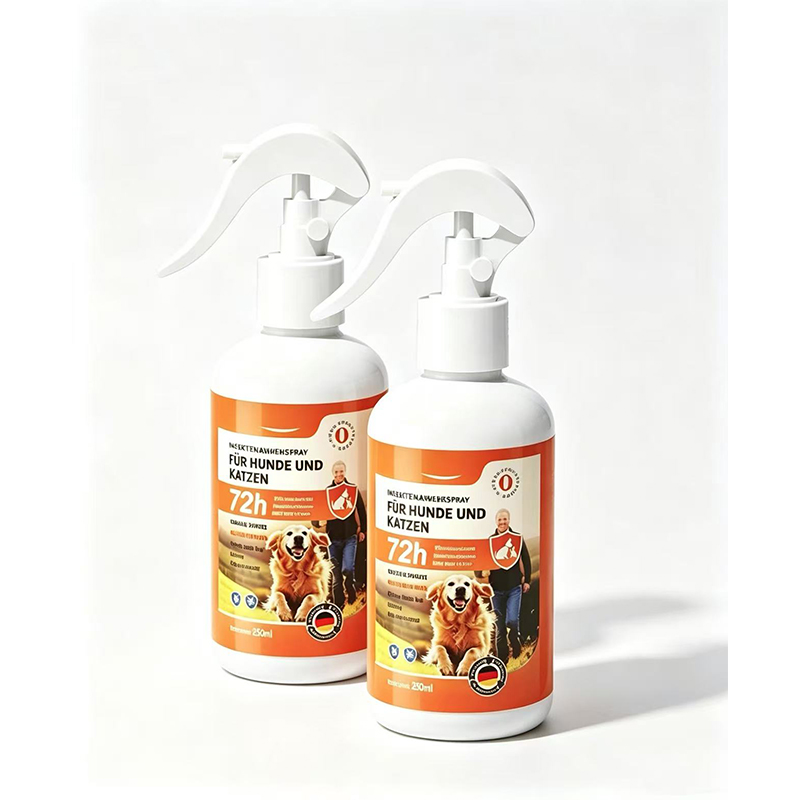
Pet Skin Care Spray
Hs.viko manufactures pet skin care spray products with OEM and private label solutions for international markets.
- Supports daily skin hygiene and coat care for dogs and cats.
- Key Nutritional Ingredients: Botanical Extracts, Moisturizing Ingredients, Skin Conditioning Components
- Spray dosage form offers easy application, convenient use and flexible packaging design.
- Product Description
Advanced Topical Conditioning & Barrier Support for Dogs and Cats
Your pet’s skin is their protection against environmental allergens, opportunistic bacteria, fungal overgrowth and seasonal dryness. Damage to their skin can occur due to environmental stress, over washing, licking and scratch wounds. This can cause local redness, flaking, hot spots and can be very painful for both dogs and cats.
Hs.viko is manufacturing the pet skin care spray in the frames of the OEM and private label for the markets all over the world. The new formula has been specially designed for the topical use within the frames of diverse lines of pet grooming for dogs and cats of all life stages and with all types of skin.
The micro-misted botanical lipids, barrier-repairing humectants and anti-inflammatory plant compounds are delivered directly to the affected epidermal areas. This irritates-causing area is calmed and the moisture of the skin is restored. Natural skin defences are supported.
Targeted 3-Stage Topical Conditioning Synergy
Our holistic topical complex consists of three groups of skin-active components that are combined in a complementary fashion instead of using harsh synthetic chemicals or heavy oils that clog pores.
Key Nutritional Ingredients: Botanical Extracts, Moisturizing Ingredients, Skin Conditioning Components
Calming Botanical Extracts: These natural herbal bio-actives such as Chamomile, Centella Asiatica, Aloe Vera and Licorice Root immediately cool and soothe the hot spot of inflammation, relieve histamine induced itching and reduce localized redness.
Deep Moisturizing Ingredients: These high-performance humectants and emollients, including Hyaluronic Acid, Glycerin, and Plant-Derived Ceramides, lock in moisture to the epidermis, remove dry flaking and prevent the loss of water in the skin due to TEWL.
Nourishing Skin Conditioning Components. Essential micronutrients such as Provitamin B5 (Panthenol), Vitamin E and Allantoin, which stimulate cell regeneration, strengthen hair follicle roots and smooth the coat cuticle to create a healthy coat with soft texture.
The combination of a deep-hydrating formula with natural soothing ingredients creates the perfect environment for fast skin recovery and long lasting skin care.
Superior Spray Format: Effortless Application & High Coverage
Many topical products are thick creams or ointments that are applied in a bath. These can be very stressful for both pets and their owners.
Spray dosage form, easy application, use and packaging design. This fine mist spray is specifically designed for a target specific micro-dispersion. It penetrates deep into thick fur and the undercoat to penetrate the skin itself. The spray does not leave any sticky, greasy residue behind and does not require rinsing.
Key Functional Advantages:
Stress-Free Application: Silent, wide-angle fine spray nozzles that allow for quick and gentle application of pets, even the most sensitive.
Lick-Safe & Non-Irritating: This dog shampoo has been formulated without alcohol, artificial dyes and aggressive synthetic fragrances ensuring that the shampoo is safe for use on a daily basis and non-irritating if your pet licks groomed areas.
No Wash Required. A fast-absorbing, leave-in formula for treating hot spots, paws, and itchy patches without the need for wet baths.
Flexible Private Label & Custom OEM/ODM Capabilities
As a trusted global contract manufacturer in pet care, Hs.viko partners with international pet brands, veterinary chains and retail distributors to turn product concepts into market-differentiating commercial lines.
Tailored Formulations: Adjust active ingredient ratios (such as developing targeted “Anti-Itch,” “Antibacterial/Antifungal Support,” or “Ultra-Sensitive Hypoallergenic” variants) or incorporate specialized botanicals like Tea Tree, Oatmeal, or Calendula.
Custom Fragrance Profiles: Our custom fragrances can be developed using completely fragrance-free bases, light natural herbal fragrances, fresh mint fragrances, and mild floral fragrances.
Versatile Packaging Options: PET bottles, aluminum containers as well as fine-mist sprayers in various sizes from 50mL travel sizes to 500mL professional grooming bottles, all of them featuring full custom label printing.
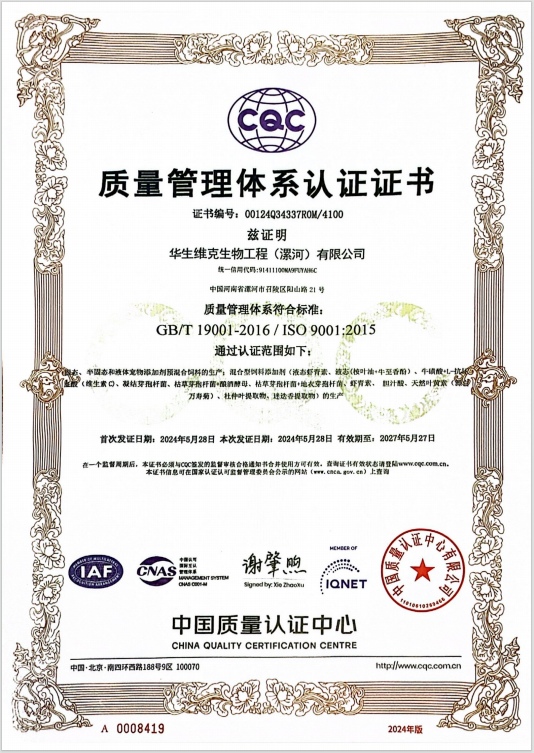
Regulatory Compliance Support: These Products are Manufactured under certified ISO, GMP and HACCP standards and we can provide support for International Safety Assessments and Market Compliance Filings.
Partner With Hs.viko for Private Label Pet Care
Expand your brand’s external pet care offerings with the market-ready, science-based Pet Skin Care Spray from Hs.viko. For OEM/ODM inquiries, speak with our product specialist to arrange for custom samples to be provided for review. Discuss specific formulation requirements and receive a quotation with wholesale pricing.
Products


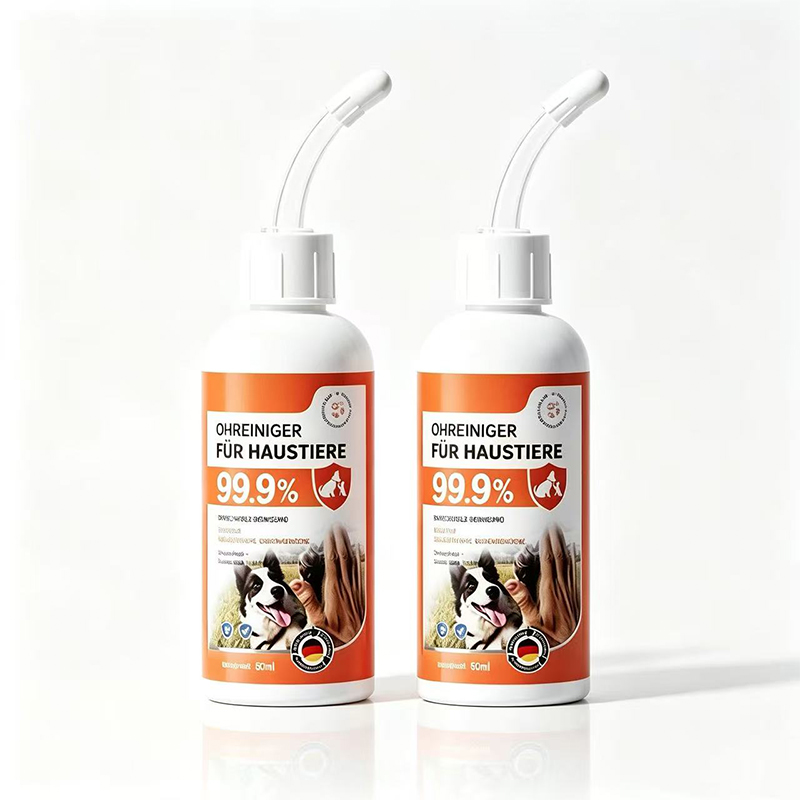
Pet Ear Care Solution
Hs.viko provides pet ear care solution manufacturing services with professional quality control and flexible customization.
Learn More
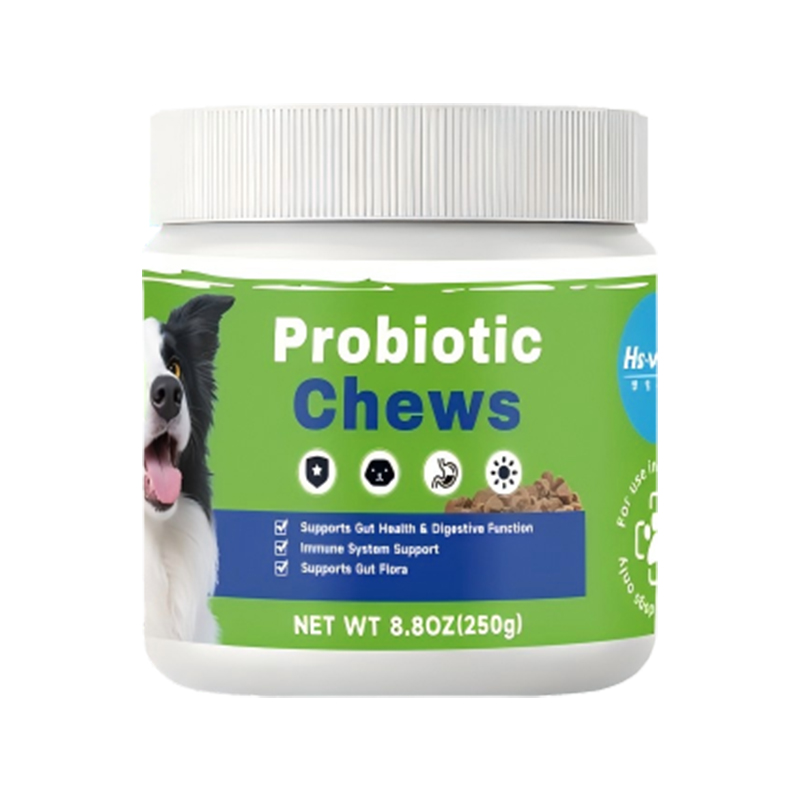
Pet Probiotic Soft Chews
Hs.viko develops OEM and private label probiotic soft granules for global pet brands. The formula can be customized with selected probiotic strains and functional ingredients to support digestive health and daily nutrition needs.
Learn More
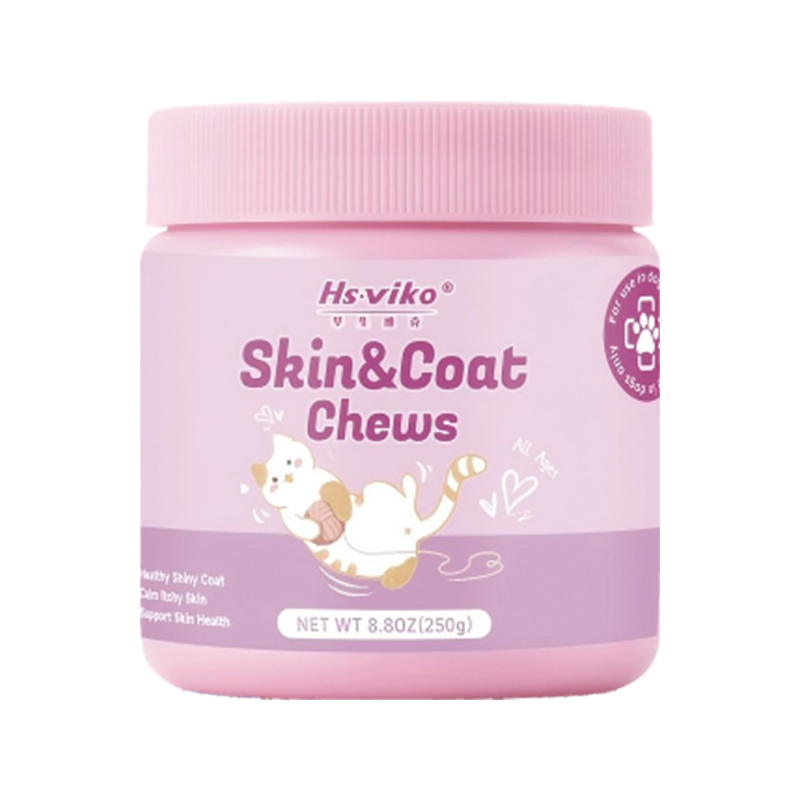
Pet Skin & Coat Soft Chews
Hs.viko provides customized skin and coat supplement solutions combining functional oils, vitamins and botanical ingredients for premium pet nutrition brands.
Learn More
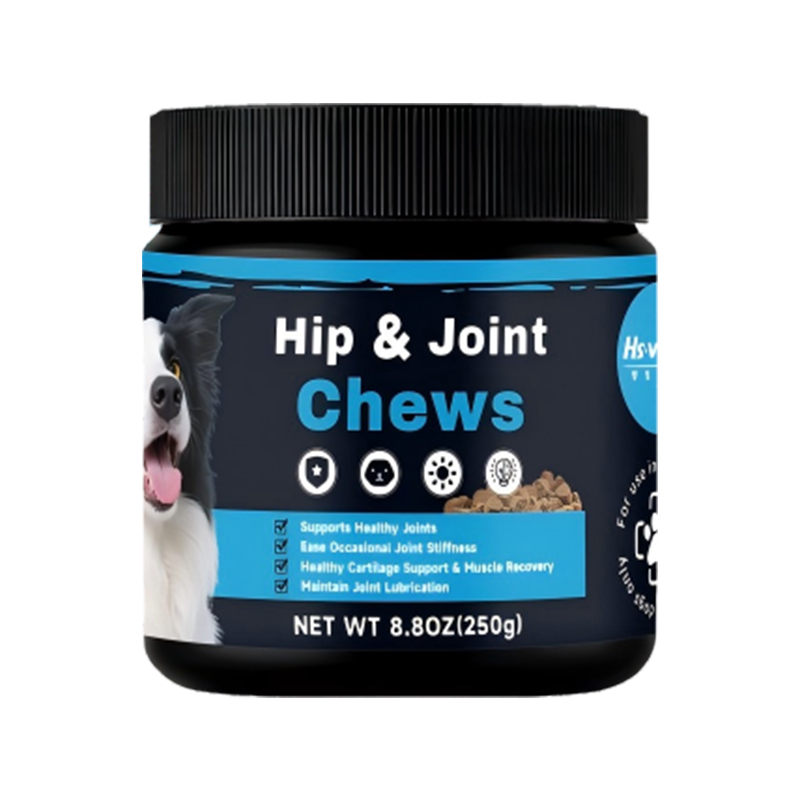
Pet Joint Support Soft Chews
Designed for OEM partners seeking functional joint nutrition products for dogs and cats, with flexible formulation and packaging solutions.
Learn More
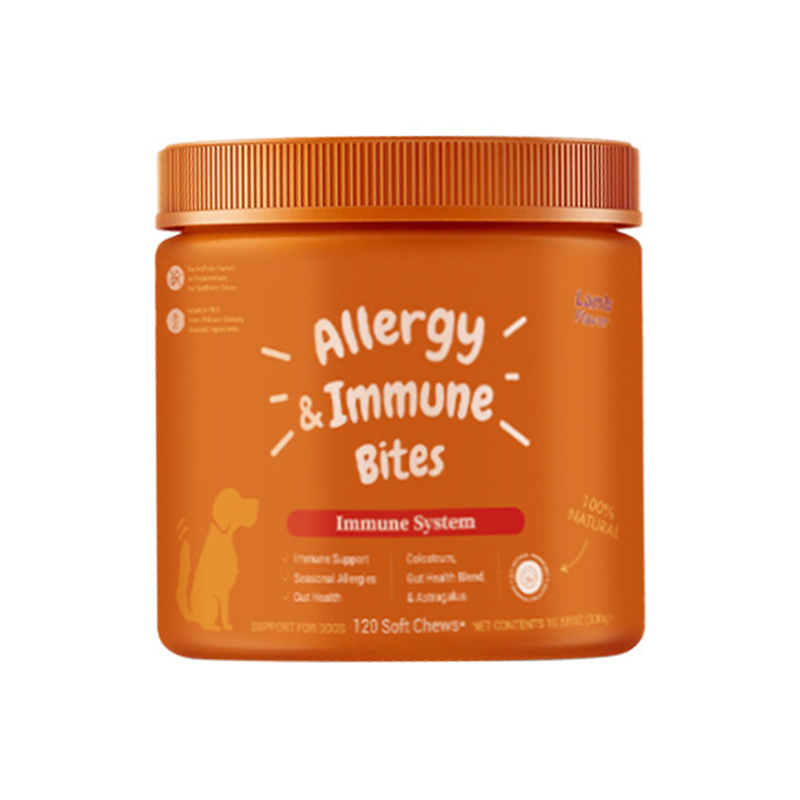
Pet Immune Support Soft Chews
Custom immune support supplements developed for international pet nutrition brands through professional formulation and manufacturing capabilities.
Learn More
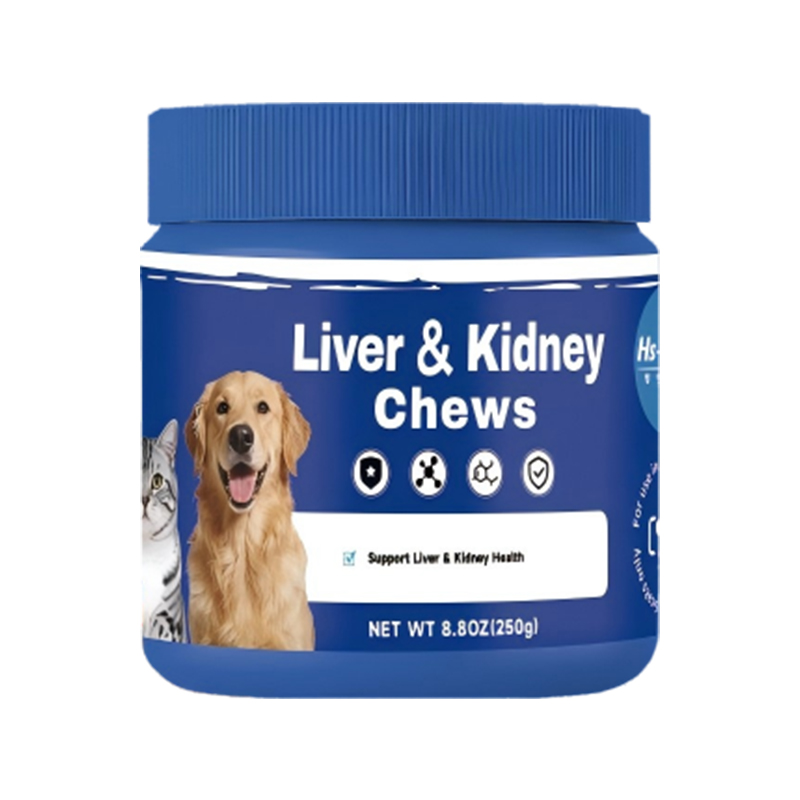
Pet Liver Support Soft Chews
Hs.viko develops customized liver support soft granules for global pet brands, combining botanical extracts and nutritional ingredients with professional OEM manufacturing capabilities.
Learn More
Latest News
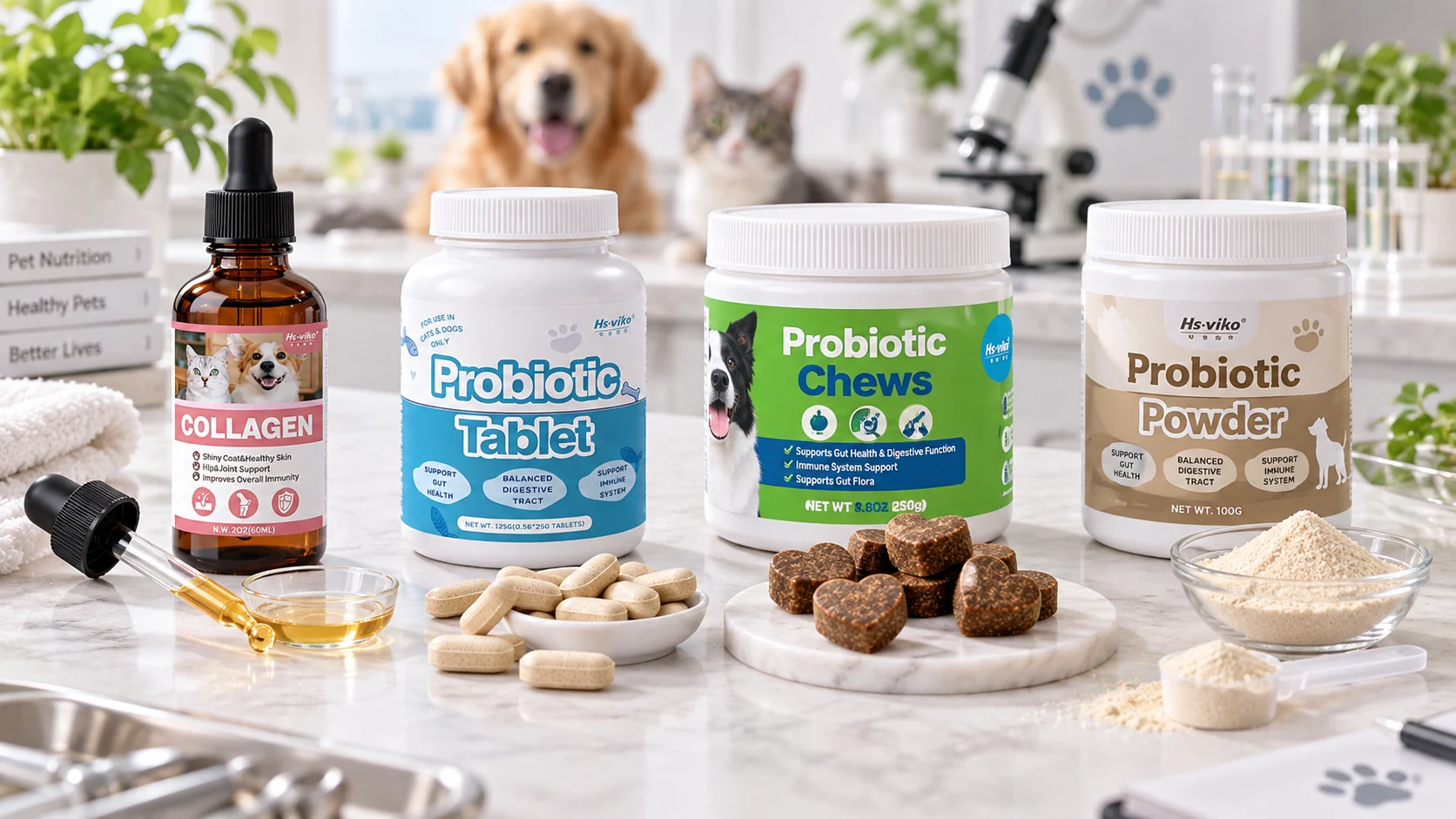
- 8th October 2026
Soft Chews vs Tablets vs Powders vs Liquids: Which Pet Supplement Format Is Best?
Compare soft chews, tablets, powders, and liquids to choose the right pet supplement format for dosing, palatability, stability, and manufacturing.
- 1st October 2026
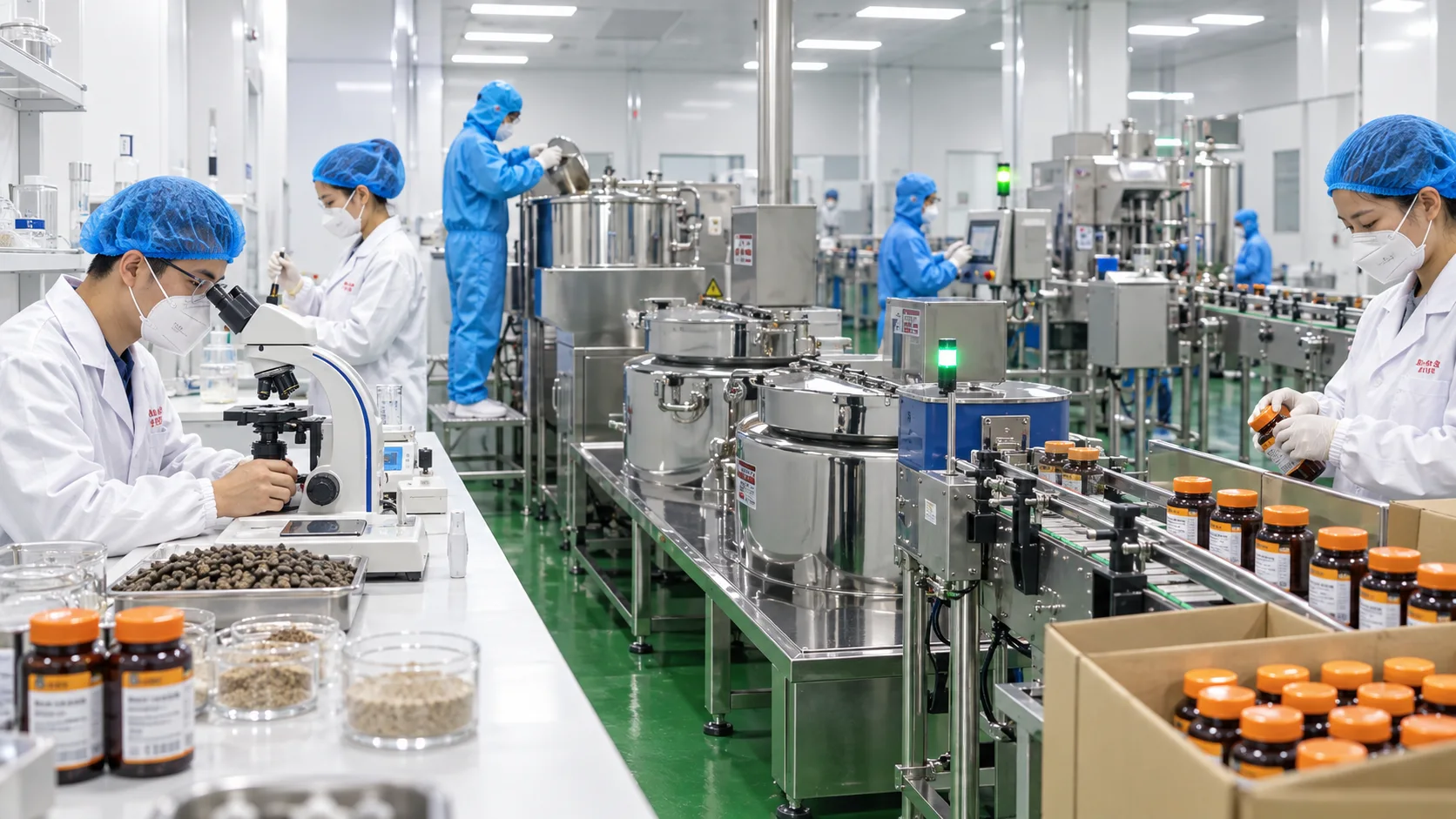
Pet Supplement Manufacturing Process: From Formula to Finished Product
See how pet supplements move from formulation and raw-material checks through pilot scale, production, quality release, packaging, and RFQ review.
- 25th September 2026
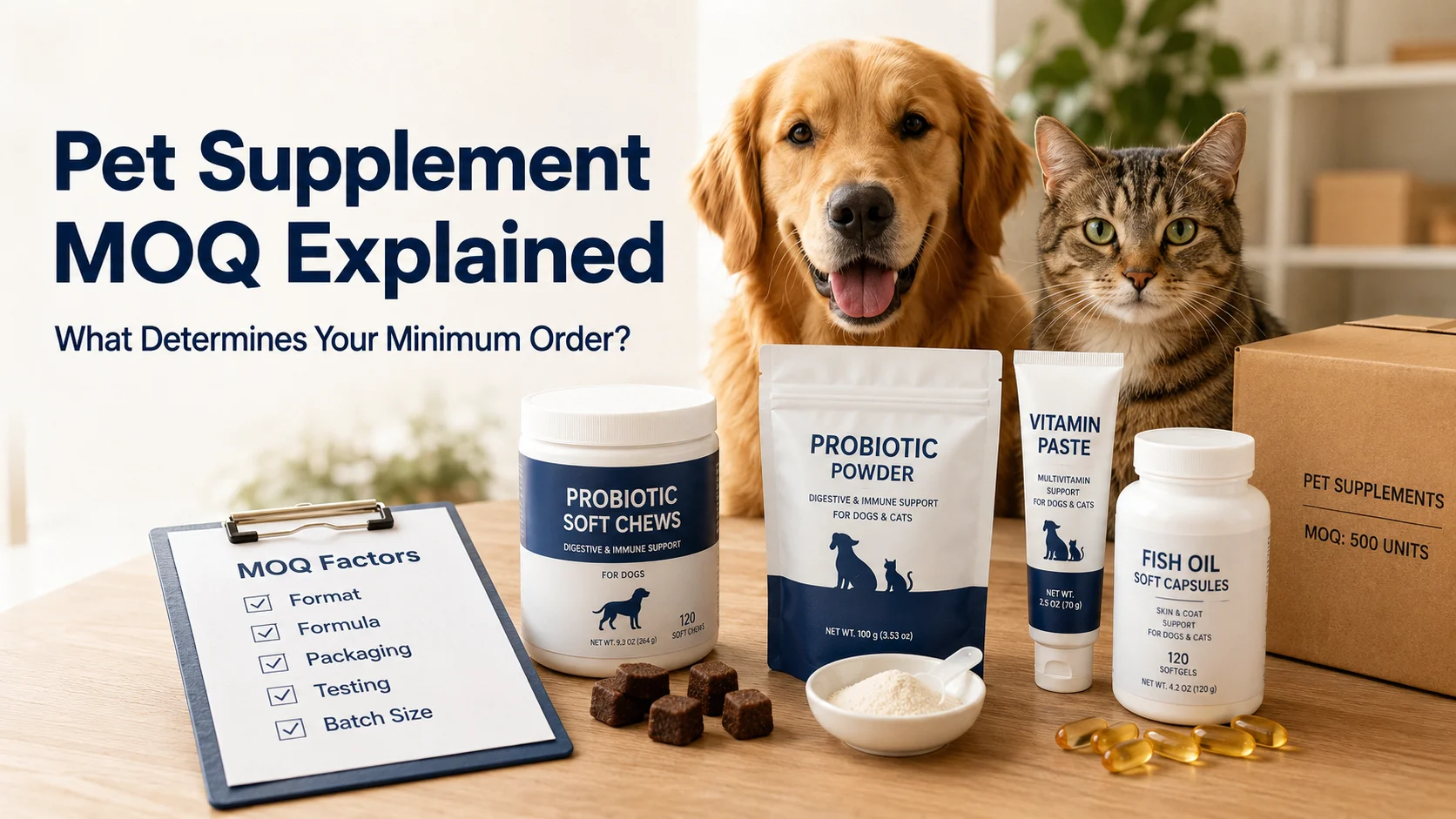
Pet Supplement MOQ Explained: Minimum Order Factors
Learn what determines pet supplement MOQ, including format, formula, packaging, testing, logistics, and practical ways to reduce first-order risk.
- 24th September 2026
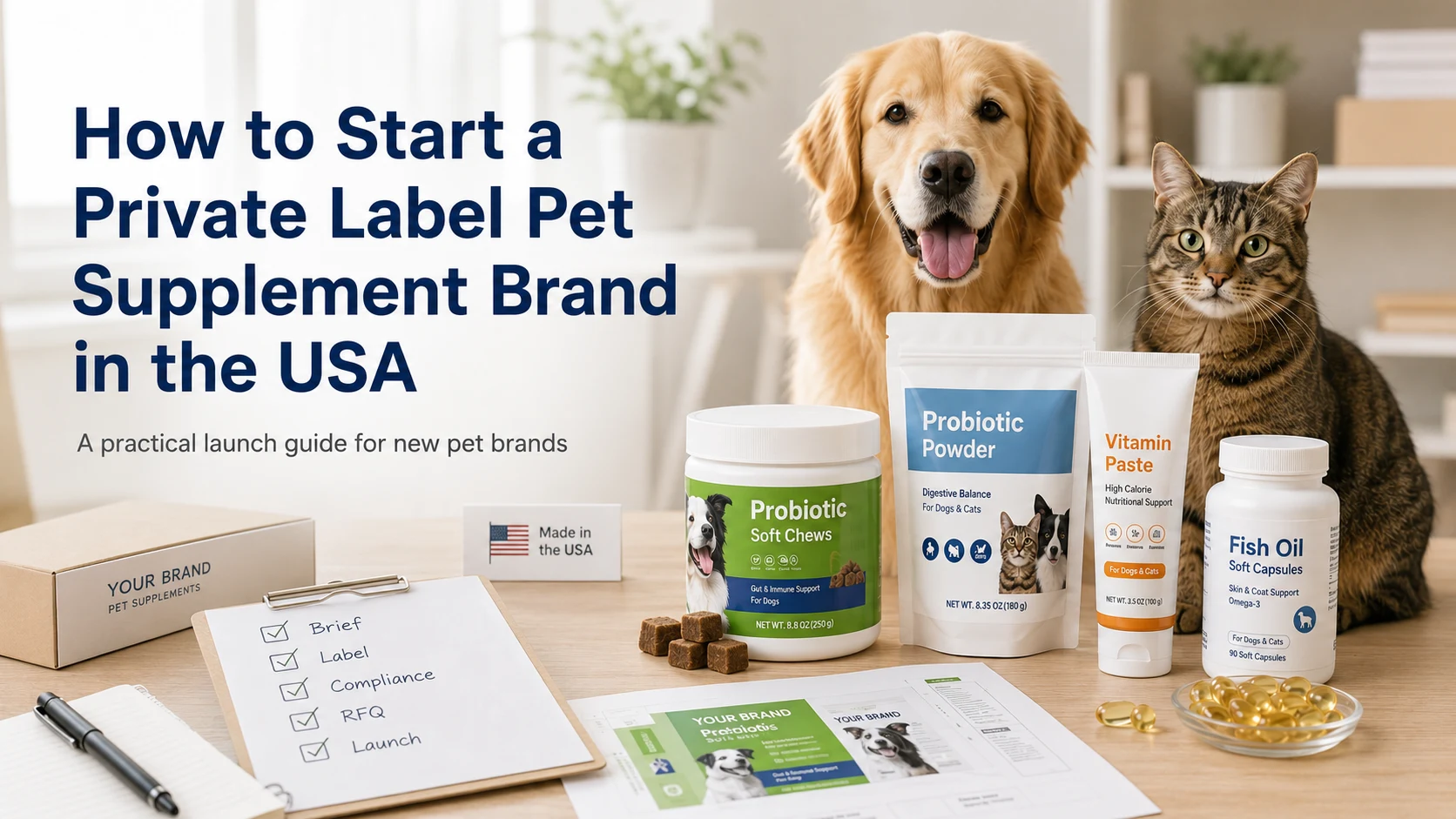
How to Start a Private Label Pet Supplement Brand in USA
Start a private label pet supplement brand in the USA with a practical roadmap for product selection, compliance, OEM/ODM sourcing, pilot runs, and launch.
- 18th September 2026
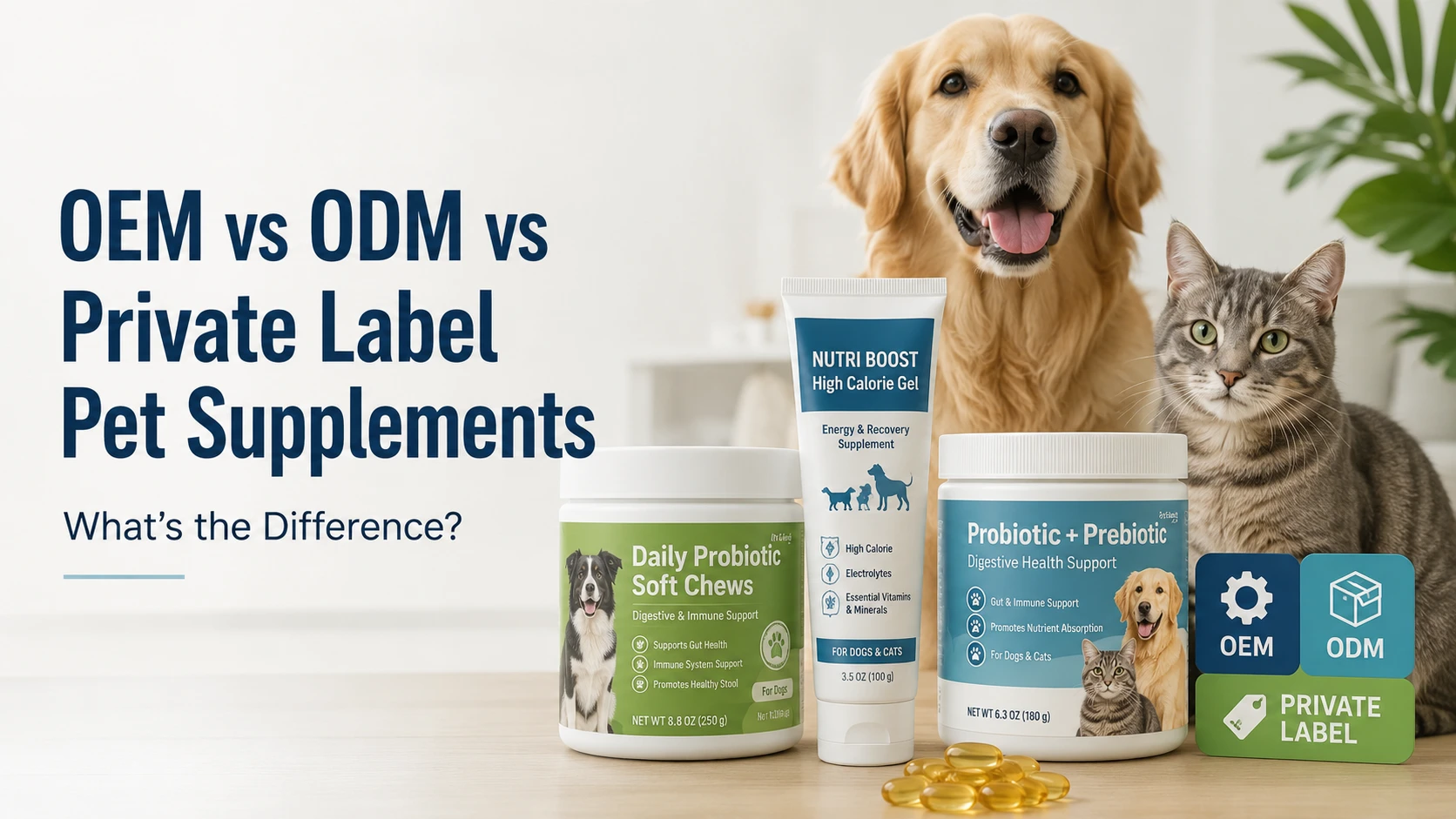
OEM vs ODM vs Private Label Pet Supplements Guide
Compare OEM, ODM, and private label pet supplements by formula control, customization, launch speed, documentation, and supplier risk.
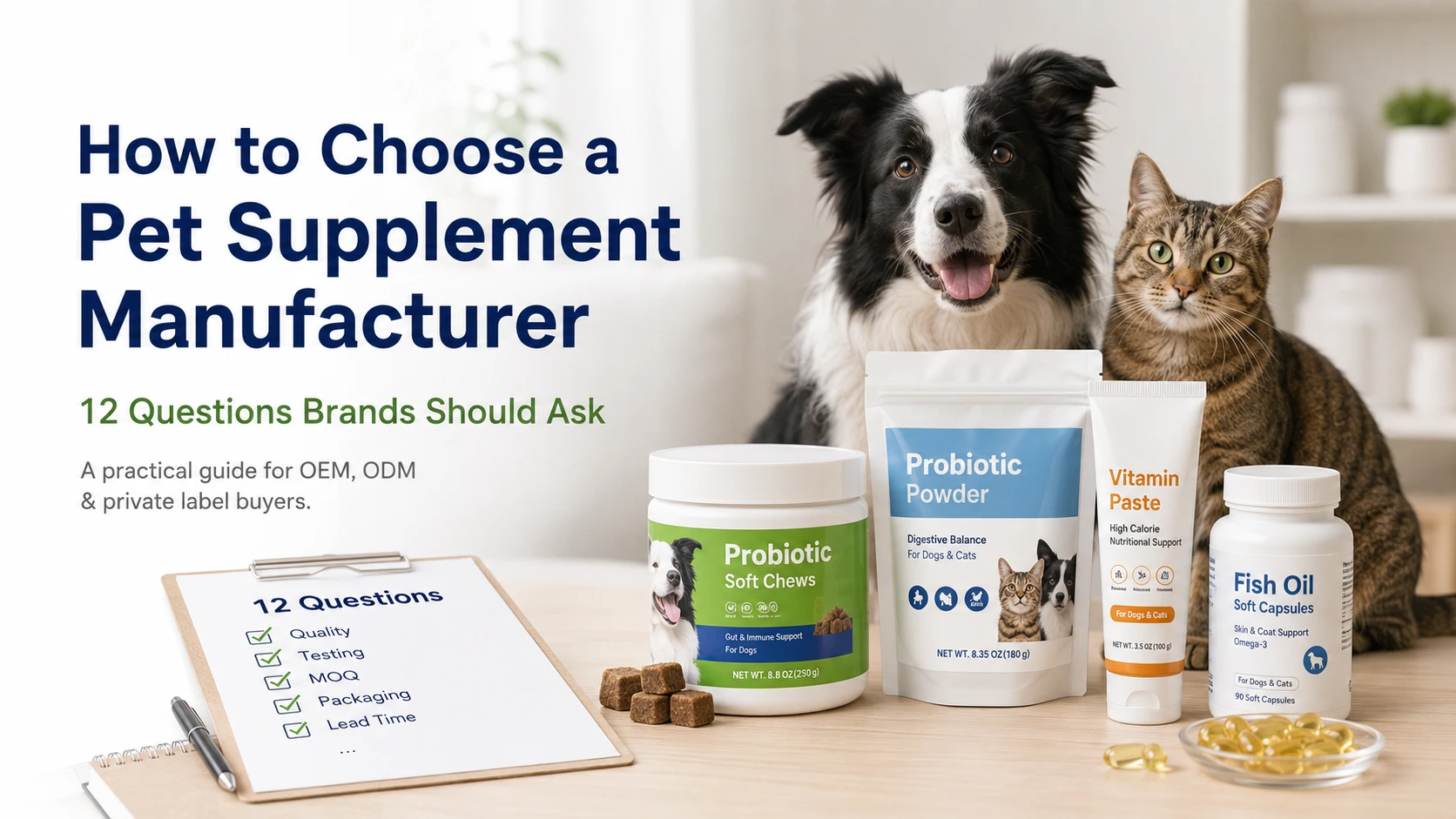
- 17th September 2026
How to Choose a Pet Supplement Manufacturer
Ask these 12 questions to compare pet supplement manufacturers on quality, formulation, testing, compliance, MOQ, packaging, and scale-up support.


Our Service
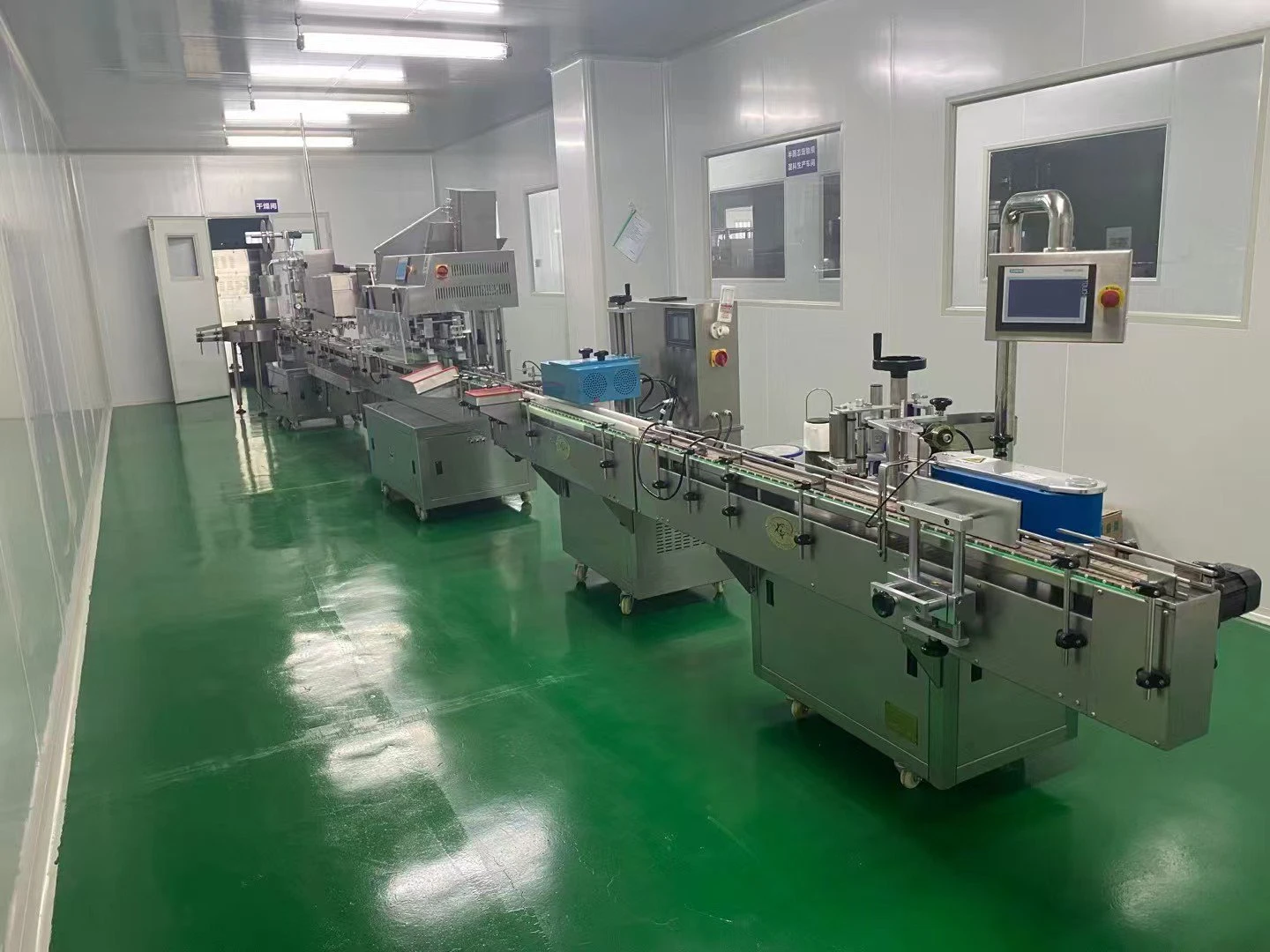
Complete OEM/ODM Pet Nutrition Manufacturing Services
From formulation development to commercial production, Hs.viko provides end-to-end pet nutrition manufacturing solutions for global brands, distributors and importers.
Learn More
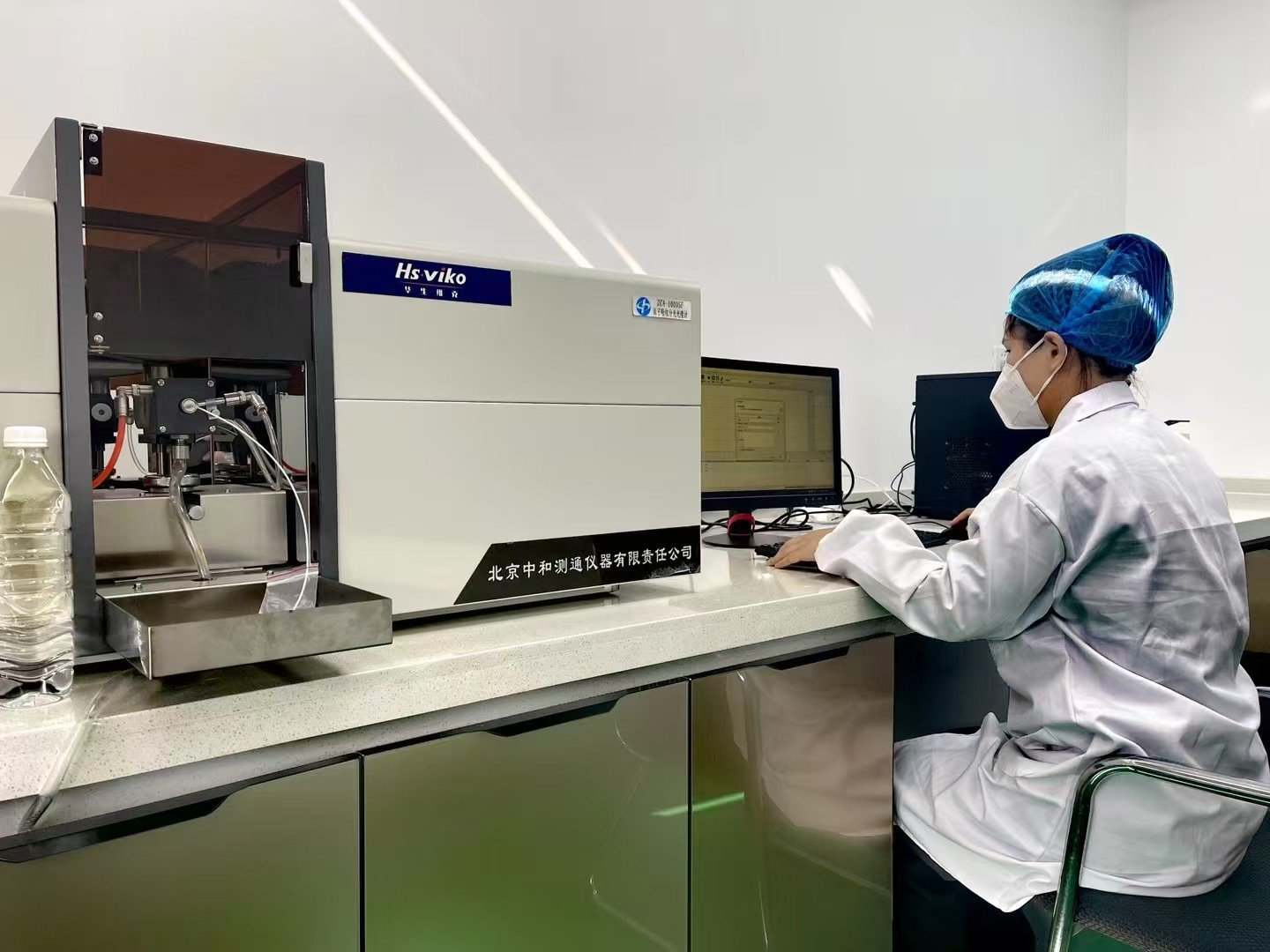
Private Label OEM Manufacturing
One-stop private label OEM service covering full production chain.
Learn More
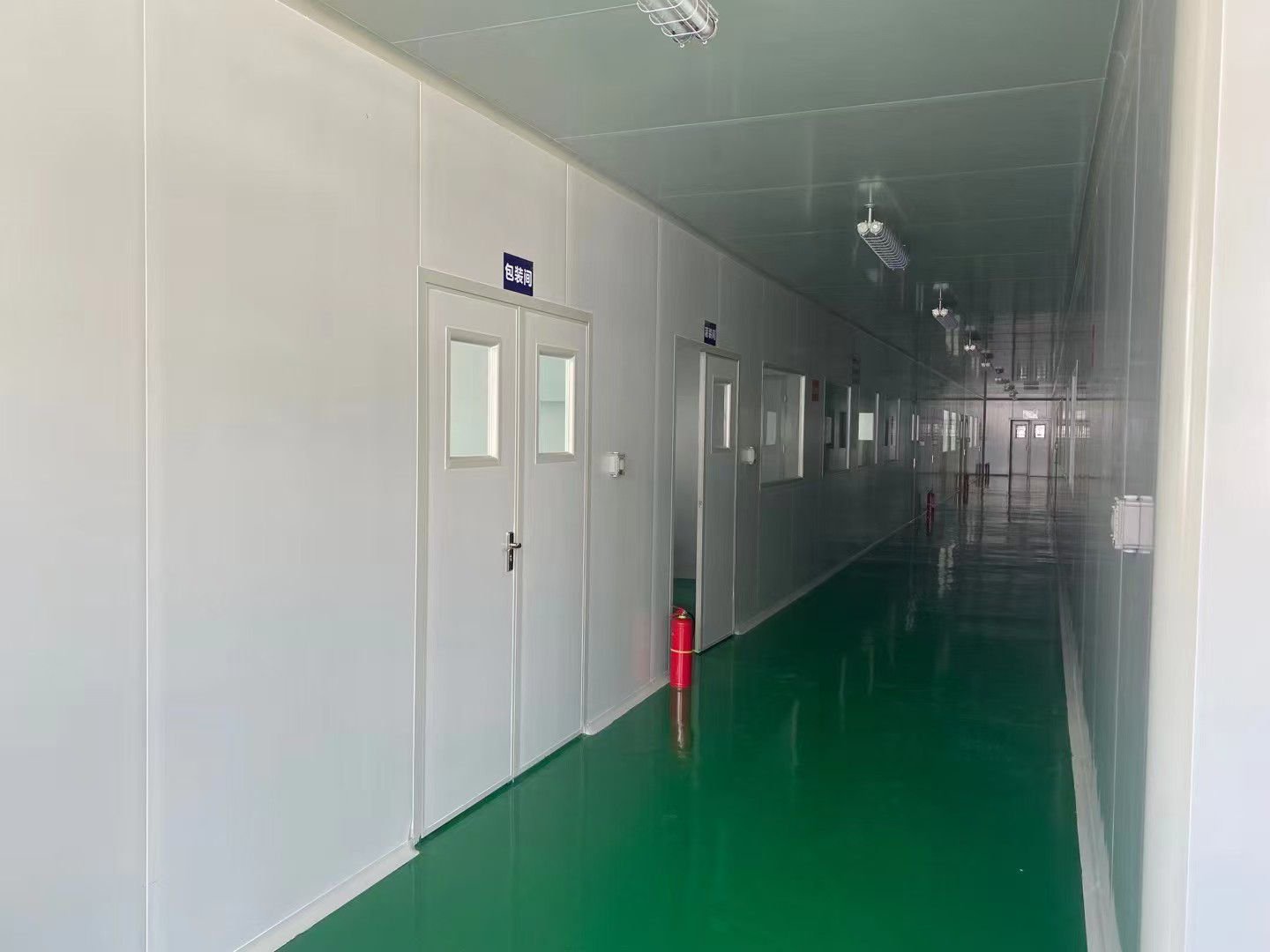
GMP Standardized Production
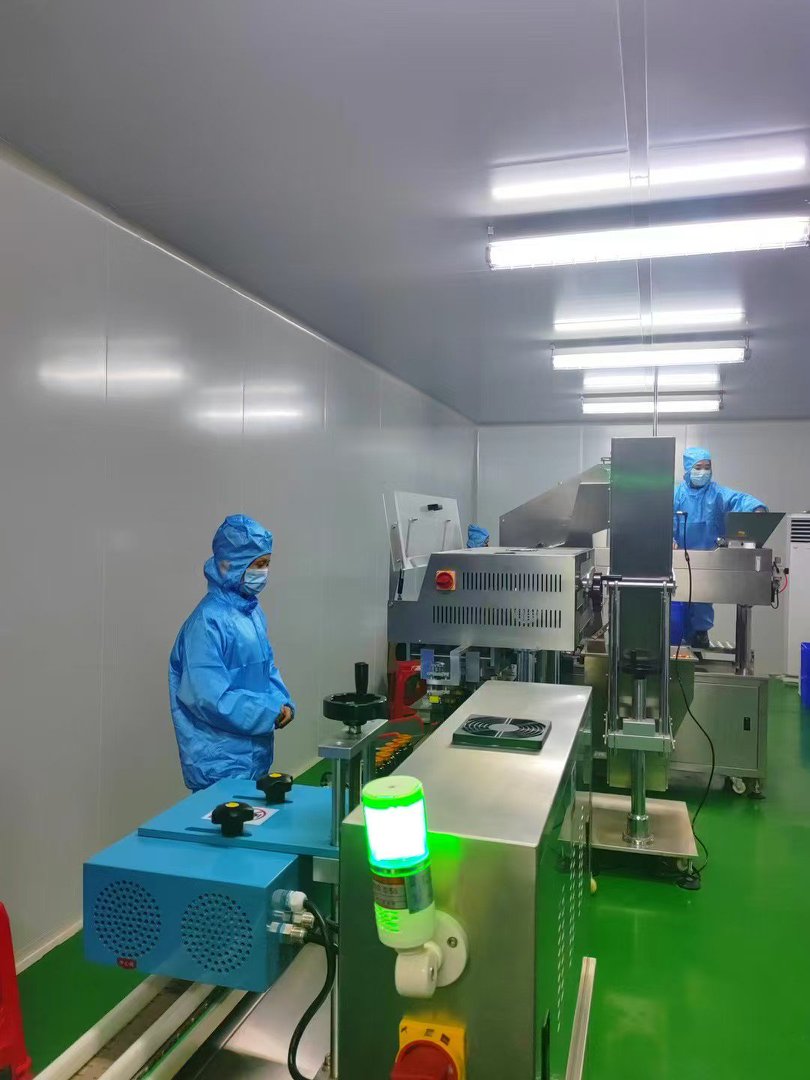
Full GMP dust-free production workshops with veterinary GMP qualifications.
Learn More
Full-package Design Solutions
Professional cross-border packaging design team. Provide market-adapted label, outer package and visual design solutions.
Learn More
Global Export Compliance & Customs Clearance
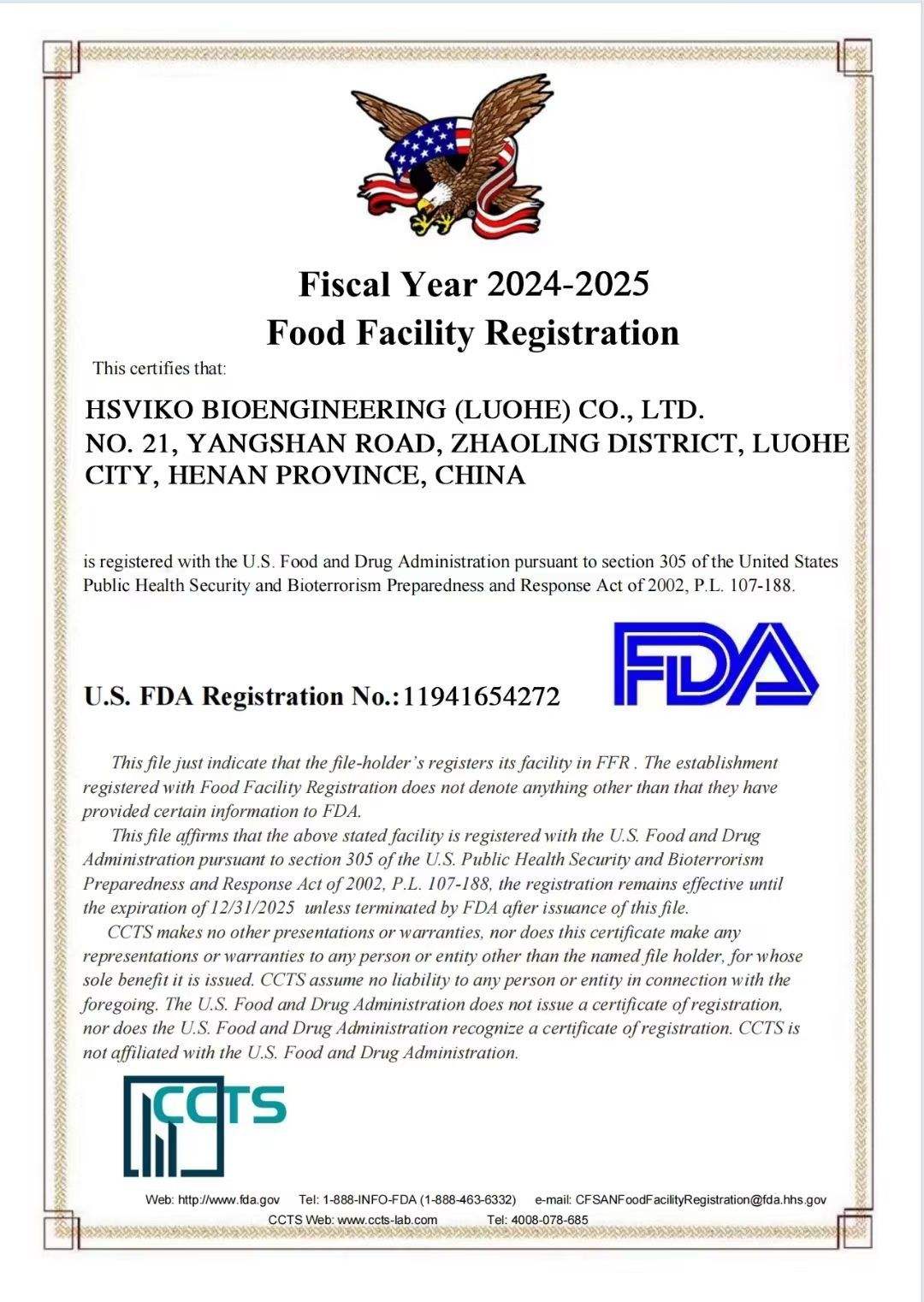
Full FDA-registered product system. Support EU and US export compliance certification and one-stop customs clearance services.
Learn More




Contact Us