

How Much Does It Cost to Manufacture Pet Supplements?
-
 admin
- 5th نوفمبر 2026
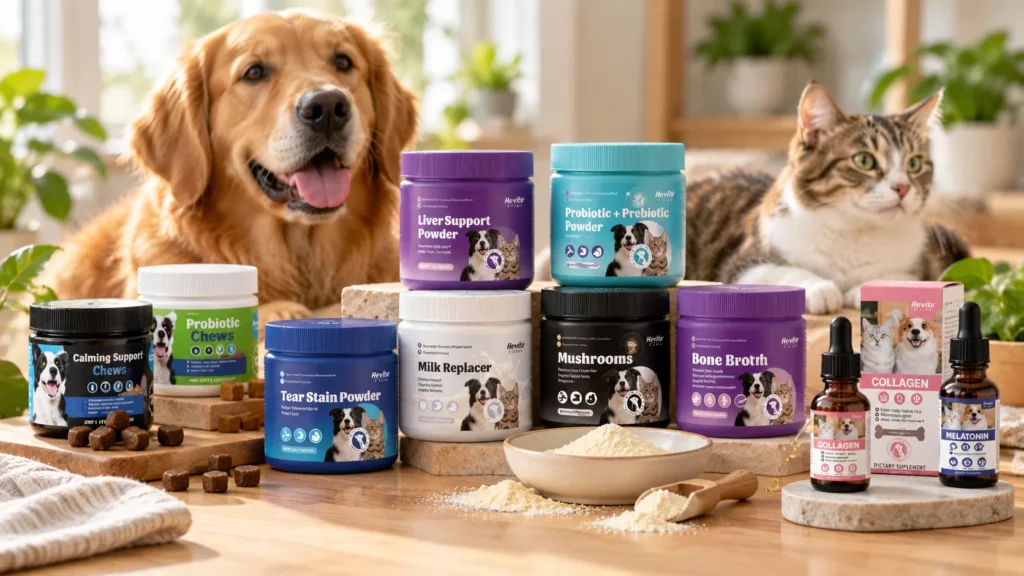
There is no responsible single price for manufacturing pet supplements. Your total depends on the formula, dosage form, ingredient controls, packaging, order size, testing, and the market where the product will be sold. A useful estimate separates the one-time cost of getting a product ready from the recurring cost of producing each batch. This helps a brand compare quotes without confusing a low unit price with a low launch budget.
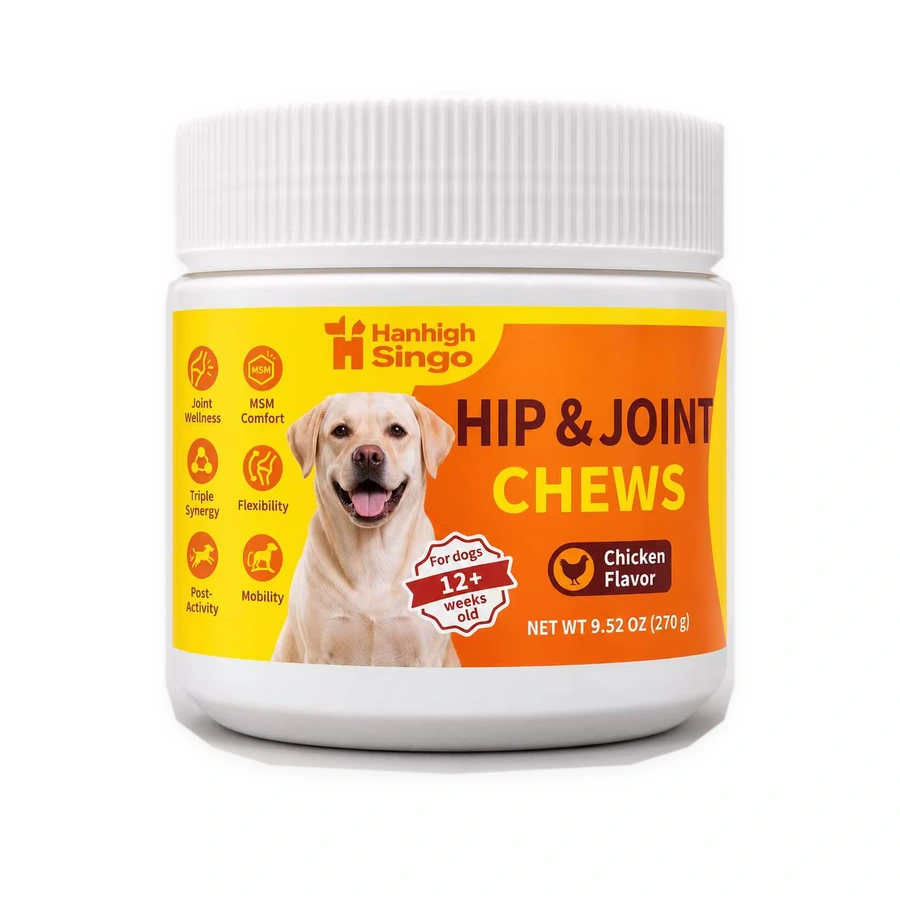
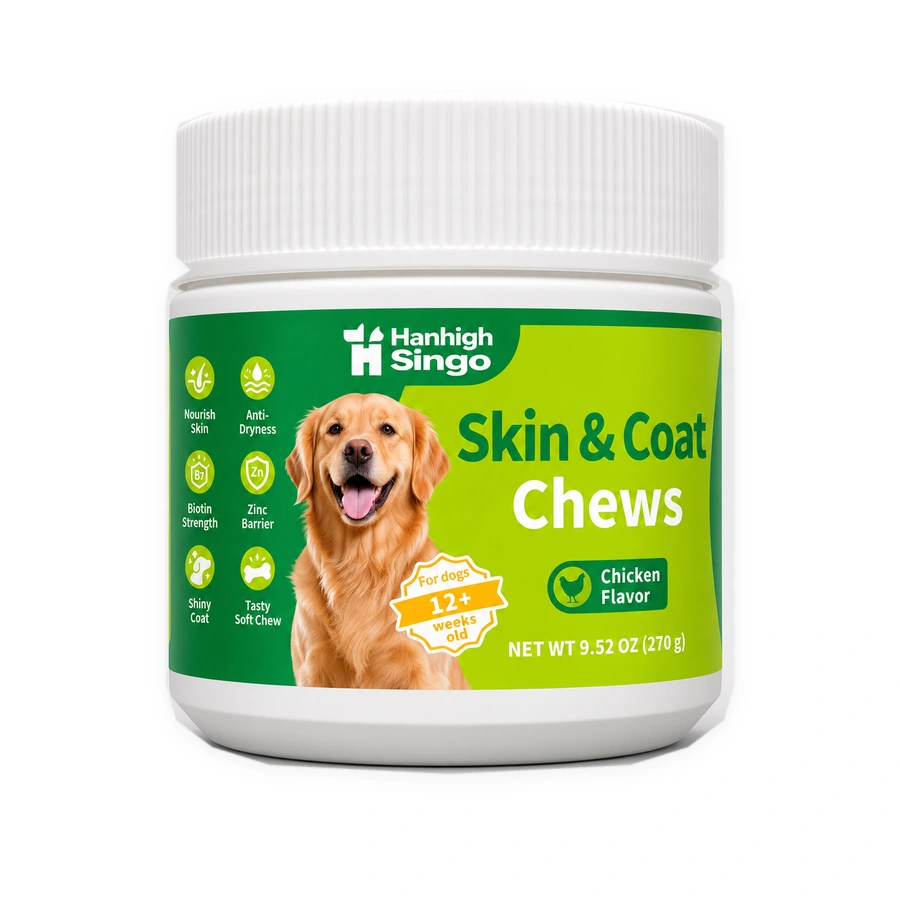
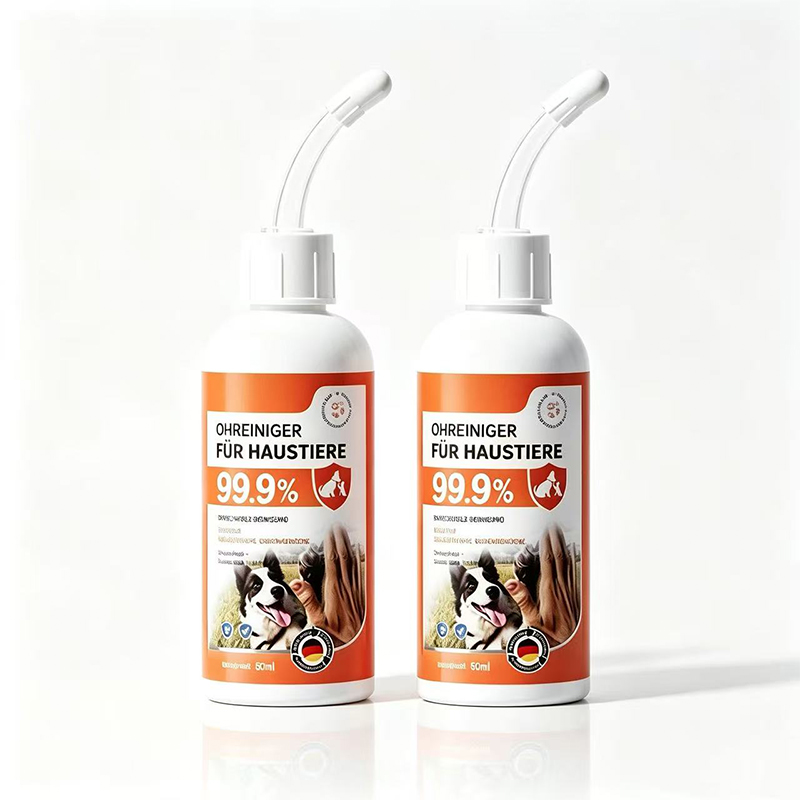
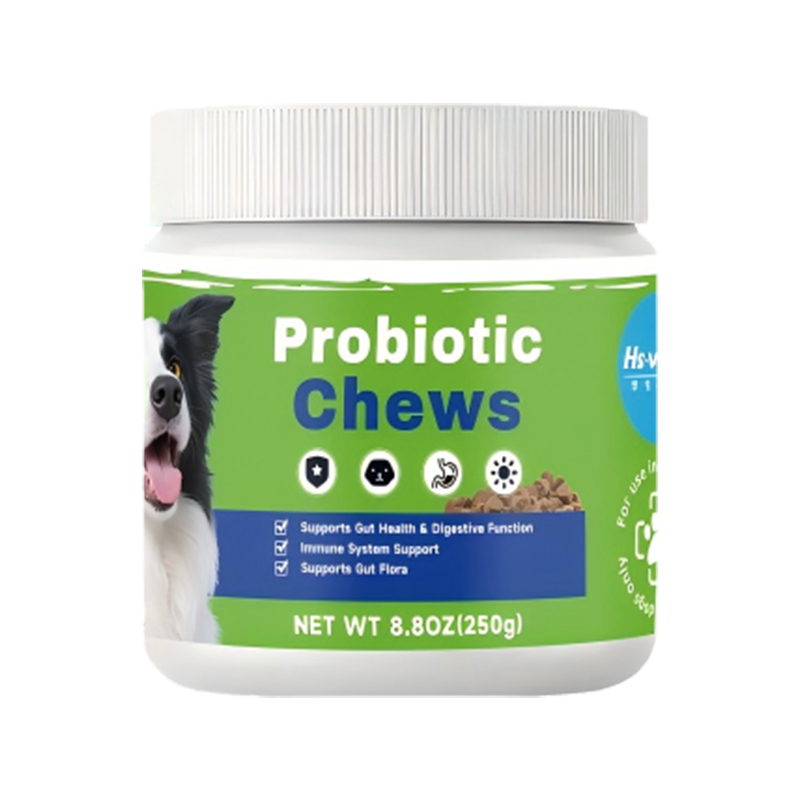
For a practical starting point, review a manufacturer’s pet supplement product range to see how format and pack choices affect the information needed for an RFQ. Then request a line-by-line quotation rather than relying on a headline figure.
The two numbers every brand should calculate
Manufacturing cost is easiest to understand when you track two totals. The first is the initial project investment: formulation work, samples, artwork preparation, product testing, compliance review, and any tooling or setup required before saleable stock exists. The second is the repeat-batch cost: ingredients, processing, packaging, quality checks, freight, and any storage or fulfillment charges.
A supplier may quote a unit price that excludes development, testing, freight, or import charges. Conversely, a first run can look expensive because one-time work is spread across a small quantity. Ask which charges are one-time, which recur per batch, and which vary with quantity. That separation gives you a realistic first-order budget and a clearer long-term margin model.
What drives the cost of a pet supplement?
Formula and ingredient profile
Ingredients are often the largest variable in the bill of materials. A simple powder blend, a multi-ingredient soft chew, and a liquid with flavoring and preservation have different sourcing, handling, and stability requirements. High-cost actives, concentrated botanical extracts, palatability systems, and special carriers can raise cost even when the finished package is small.
The key question is not simply “What is the cheapest ingredient?” It is whether the target dose, specification, safety documentation, and intended claim can be supported consistently. Request the ingredient grade, required documentation, inclusion rate, and any minimum purchase quantity used in the quote. If an ingredient is not available at the planned volume, the supplier may need an alternative or a different production schedule.
Dosage form and process
The physical form changes both production steps and packaging. The supplied product catalog covers formats such as softgels, hard capsules, soft granules, tablets, liquids, powders, pastes or emulsions, and other dosage forms. Each format can require different mixing, filling, drying, coating, or sealing operations. A product that is simple in one format may cost more in another because of yield loss, specialized equipment, or additional in-process checks.
Packaging and printed components
Bottles, pouches, blister packs, scoops, caps, labels, cartons, and tamper features all enter the landed cost. Custom colors, special finishes, small print runs, and multiple language panels can increase setup or minimum-order requirements. Packaging also affects shipping volume and warehouse space, so the cheapest component price may not produce the lowest delivered cost.
Before requesting artwork, confirm pack size, count or net weight, closure, label dimensions, target market, and whether the supplier is quoting stock packaging or a custom component. A manufacturer’s OEM and ODM services can be evaluated more fairly when these decisions are in the same brief.
One-time costs versus recurring costs
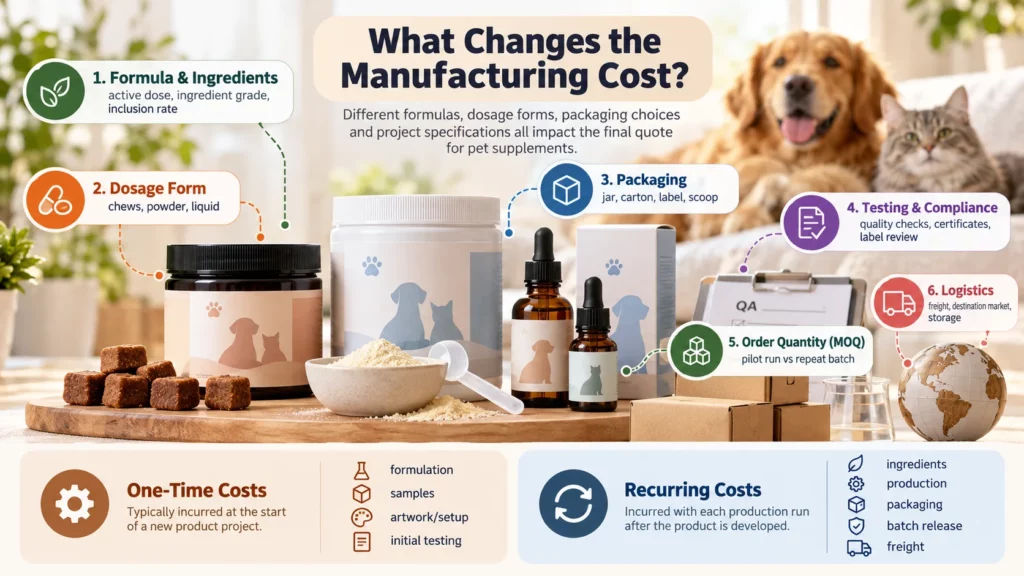
One-time costs may include concept review, custom formulation, pilot samples, stability or shelf-life work, analytical testing, label review, and setup for a new package or process. Not every project needs every item, and the scope depends on the formula, claims, and sales market. Treat a “development fee” as a scope to be clarified, not as a universal industry standard.
Recurring costs usually include approved ingredients, manufacturing labor and processing, packaging components, batch release checks, finished-goods freight, and any agreed storage or fulfillment service. Some expenses are semi-recurring: a packaging plate, label cylinder, or minimum purchase may be paid again only when artwork or packaging changes. Put these conditions in writing so a future reorder does not create a surprise charge.
How order quantity changes your economics
Minimum order quantity (MOQ) affects both cash required and unit economics. A larger run can spread setup and testing across more units, but it also ties up cash in inventory and increases the risk of slow-moving stock. A smaller run may reduce exposure while producing a higher unit cost or limiting packaging options. The right quantity fits your forecast, shelf life, storage capacity, and launch test – not automatically the largest number a supplier can produce.
Ask for comparable scenarios, such as a pilot quantity, a first commercial quantity, and a repeat-order quantity. Keep the formula, pack size, label specification, and delivery terms identical when comparing them. This reveals whether a price change comes from production efficiency, packaging thresholds, ingredient purchasing, or freight.
What to include in a manufacturing RFQ
A clear request for quotation reduces back-and-forth and makes supplier quotes comparable. Include:
- the target animal, intended benefit, serving size, and dosage form;
- a complete formula or a formulation brief, with ingredient specifications where known;
- net weight or count per pack, packaging type, label language, and artwork status;
- target first order, expected repeat volume, destination market, and requested delivery terms;
- testing, certificate, batch-record, traceability, and label-review requirements for your market;
- commercial assumptions shown separately, including development, tooling, freight, and taxes.
If you need a custom formula, use the manufacturer’s custom formulation support to clarify what is included before approving samples. For a process overview, the OEM/ODM process page can help structure questions, but the final scope still needs to be confirmed for your product.
How to compare quotes without choosing the wrong supplier
Compare like with like. Check whether every supplier is quoting the same active dose, ingredient grade, pack count, label material, testing scope, Incoterm, and delivery destination. A quote that excludes freight or uses a different pack weight is not cheaper; it is incomplete.
Next, examine the assumptions behind the number. Who owns the formula? Who approves substitutions? What happens if an ingredient fails an incoming check? How are batch records, samples, and retained product handled? Ask which costs change if you adjust dosage, flavor, pack size, or order quantity. A technically transparent quote is more valuable than a low number that cannot be reproduced.
Hs·viko presents itself as a pet food and supplement OEM/ODM partner. If the product fit is appropriate, send the same RFQ to its technical team and request a written breakdown of development, production, testing, packaging, and delivery assumptions. You can تواصل مع الفريق الفني with the information listed above.
الخاتمة
The cost to manufacture pet supplements is a project calculation, not a universal price. Formula complexity, dosage form, packaging, testing, order quantity, and logistics all move the final number. Build a model that separates one-time launch work from recurring batch costs, then compare suppliers using the same specification and delivery assumptions. That process gives your brand a clearer view of cash needs, margin, and the order size that makes sense for the next stage of growth.
Frequently asked questions
Can a manufacturer give an exact cost before seeing the formula?
Usually, only a preliminary range is possible until the supplier knows dosage form, ingredient list or formulation brief, pack specification, quantity, testing scope, and destination market.
Is private label always cheaper than a custom formula?
It may reduce development work when an existing formula and stock package fit your needs, but the comparison still depends on ingredients, packaging, order quantity, testing, and required changes.
Does a higher MOQ always lower the unit cost?
Not always. A larger run can spread setup costs, but custom packaging, ingredient minimums, freight, and inventory risk can change the result. Request matched quantity scenarios.
What information should I send for a first quote?
Send the target pet and use case, dosage form, formula or concept, serving size, pack size, packaging preference, first-order quantity, destination market, and testing or label requirements.
For a useful quote comparison, keep the formulation, ingredient specification, unit weight, pack count, label language and packaging materials consistent. Separate development work, sample preparation, production, packaging and testing costs. Ask which items recur on a repeat order and which are specific to the first launch.
For brand buyers, turn these considerations into a product brief: target market, intended species, formulation, format, serving measure, packaging and order plan. Hs·viko supports OEM/ODM discussions across soft chews, tablets, capsules, powders, liquids and pastes. A consistent brief makes it easier to compare samples and quotations for the same product concept.
admin
الملف الشخصي








اتصل بنا