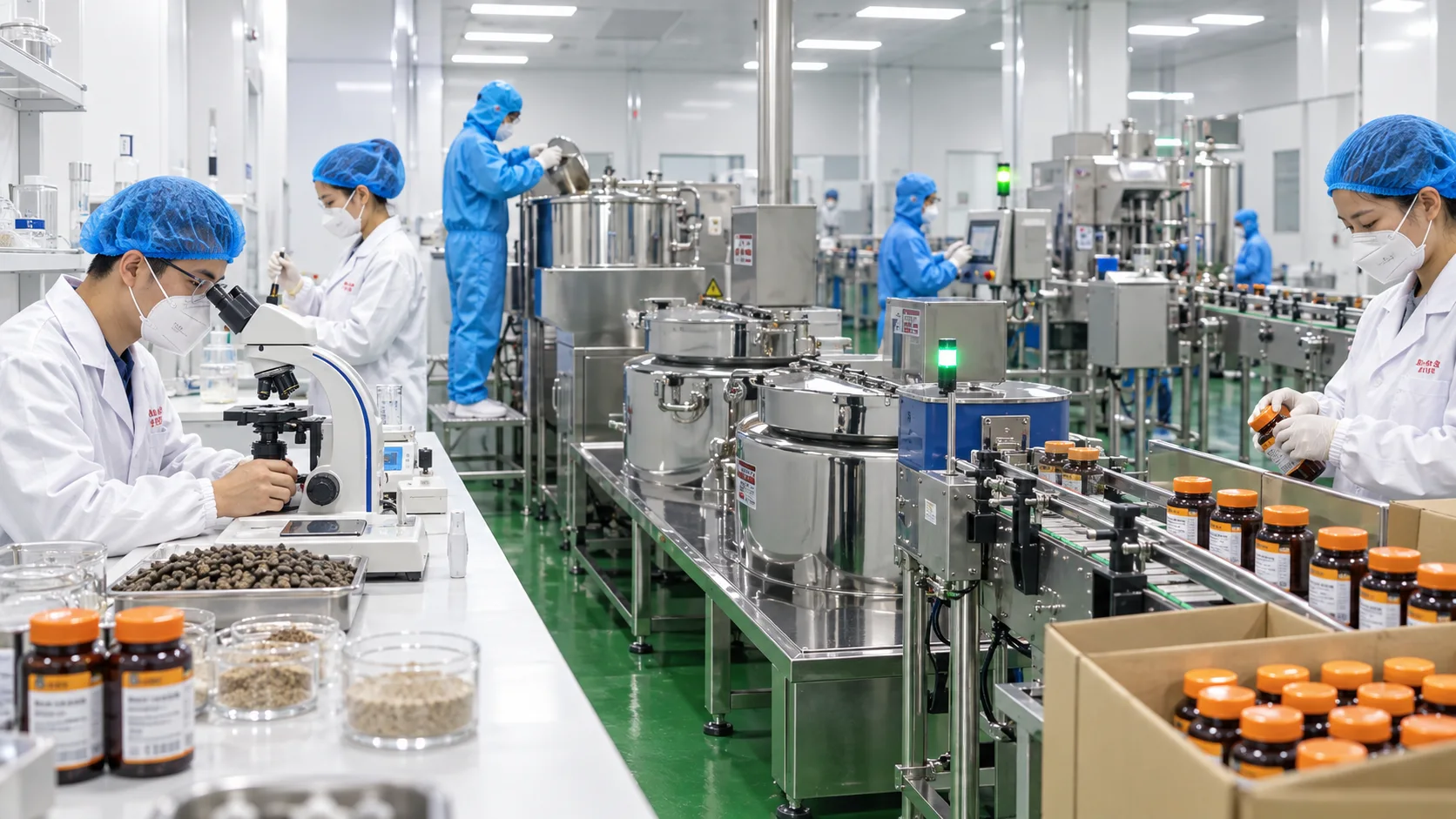
Pet Supplement Manufacturing Process: From Formula to Finished Product
1st Tháng 10 2026
 quản trị viên
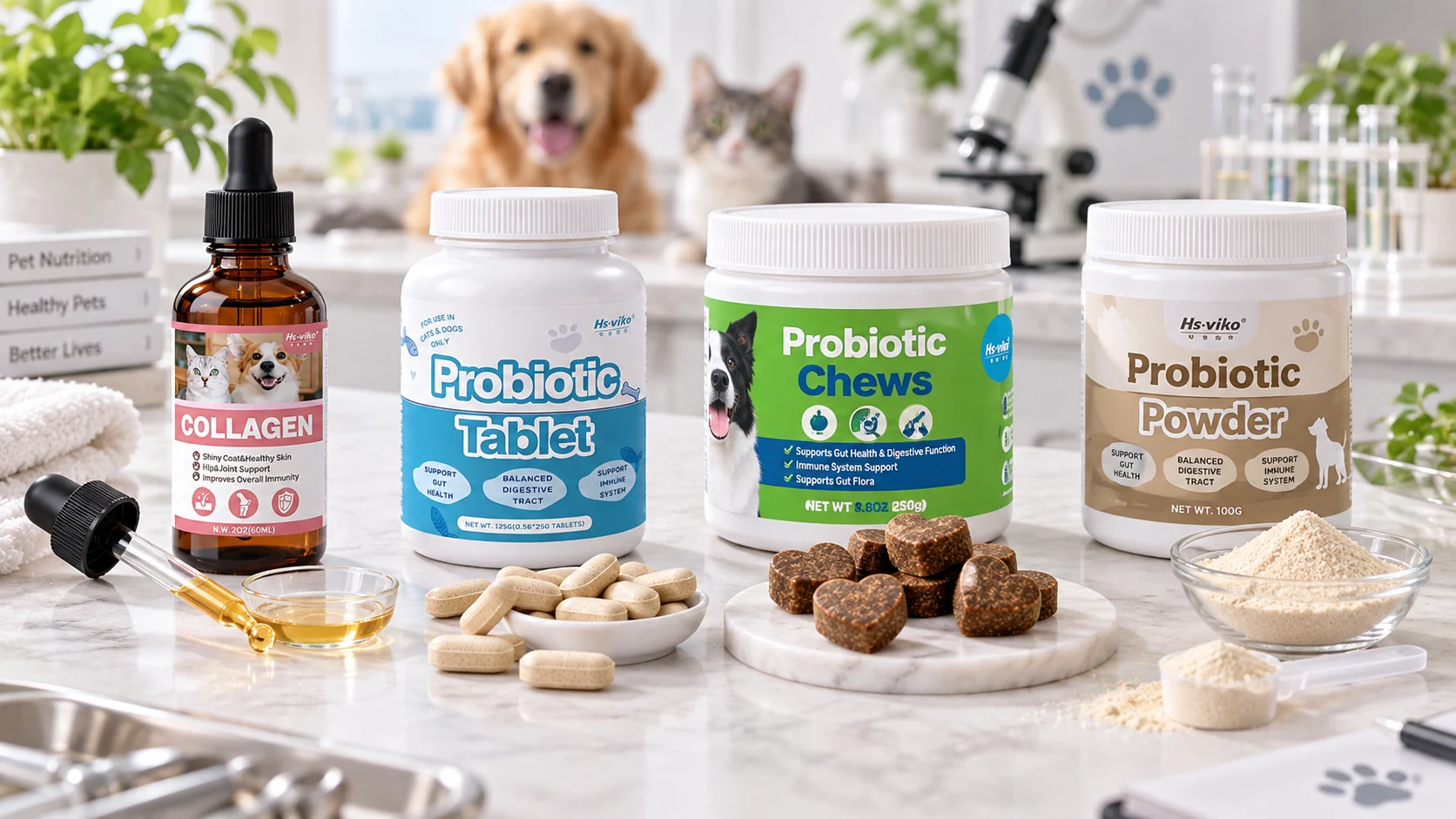
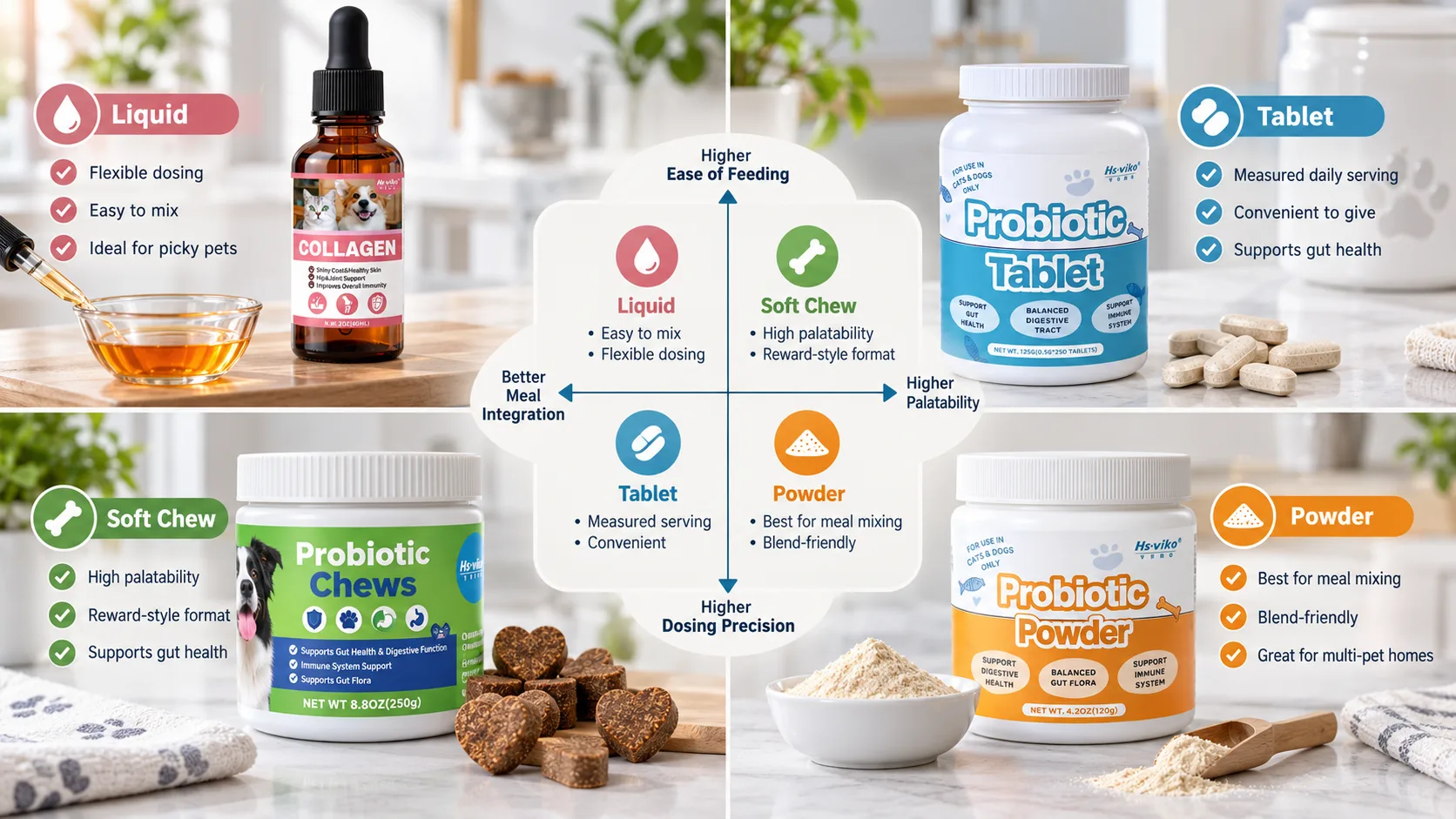
There is no universally best pet supplement format. Soft chews usually win when palatability and routine compliance matter; tablets suit precise, compact dosing; powders work well when a serving can be mixed into food; and liquids help when flexible dosing or fast dispersion is important. The right choice depends on the animal, active ingredients, serving size, stability, packaging, and how reliably the buyer can use the product every day.
For product developers and purchasing teams, format selection is a decision across four dimensions: user acceptance, technical fit, quality risk, and commercial practicality. A format that looks attractive on a shelf can fail if the active dose is too large for one unit, the flavor is difficult to mask, the pack is vulnerable to moisture, or the serving instructions are too complicated. Start with the formula objective, then choose the delivery system that protects both the ingredient and the daily routine.
For a broader view of available pet supplement formats and development support, review the official Hs・Viko site before preparing an RFQ.
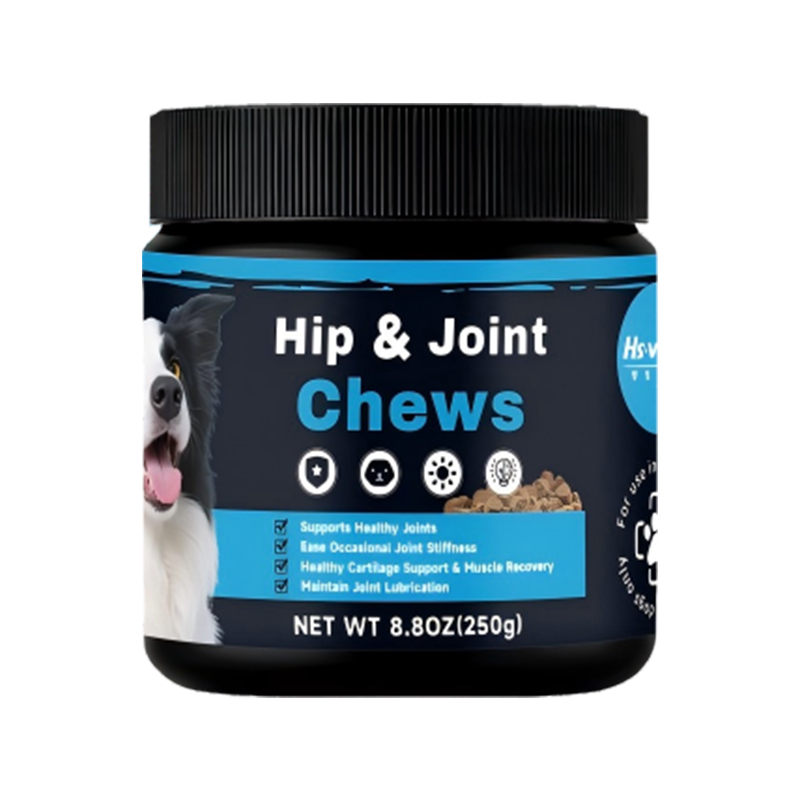
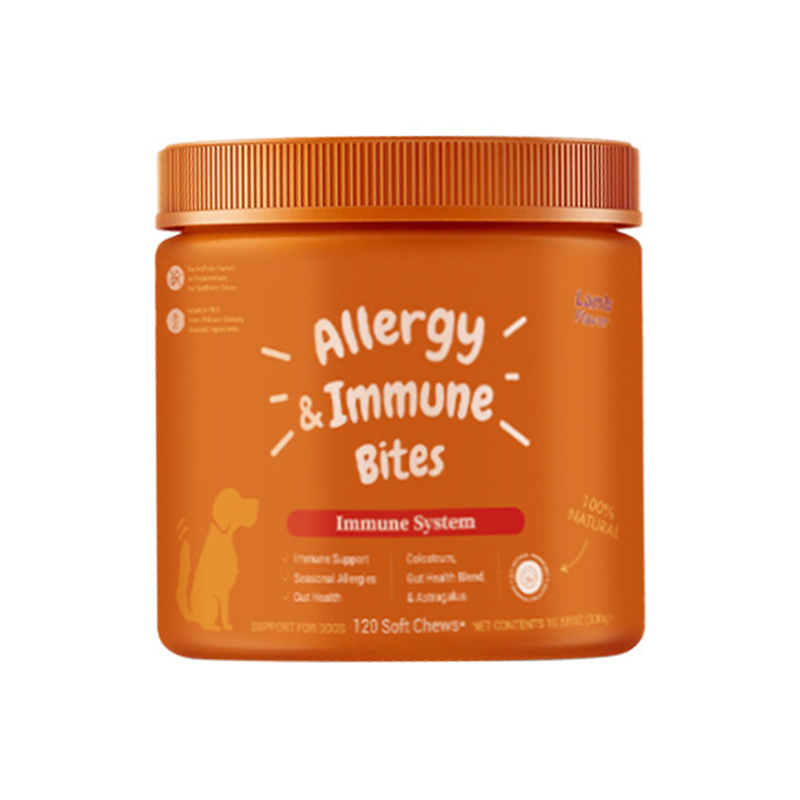
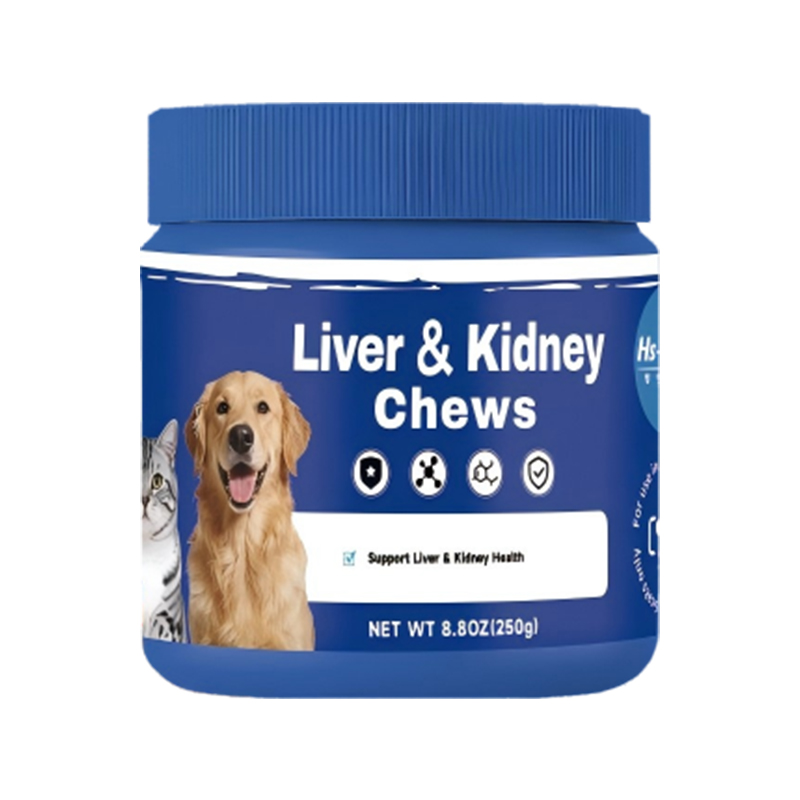
Soft chews combine a supplement dose with a treat-like experience. They are often considered when a brand needs a visible, easy-to-understand daily ritual and when the target audience may resist swallowing a tablet. The trade-off is that the base, flavor system, moisture level, heating profile, and texture all become part of the technical brief. A chew must remain attractive without making the serving size, calories, allergens, or storage requirements unclear.
Tablets are useful when compact dosing, clean handling, and a defined unit count are priorities. They can support a straightforward label and efficient case packing, but compression introduces its own controls: powder flow, blend uniformity, hardness, friability, weight variation, and disintegration. Flavor may also matter if the animal receives the tablet directly rather than inside food. A tablet is therefore not automatically simpler than a chew; it simply moves the main process questions from texture to powder and compression behavior.
Powders can be mixed into wet or dry food, making them attractive for formulas that do not need to be delivered as a single unit. They also leave room for multi-ingredient blends, but that flexibility depends on good flow, particle-size control, blend uniformity, and moisture management. A powder can separate during transport or cling to a scoop if the particle and carrier system is poorly matched. The package must also make serving measurement simple enough for everyday use.
Liquids can be useful when the serving needs to be adjusted, dispersed quickly, or administered to animals that do not accept solids. They may also carry oils or water-compatible ingredients that are difficult to place in a compact solid. The main controls shift to dispersion, viscosity, pH, phase separation, microbial risk, oxidation, and closure integrity. A liquid product must be evaluated as both a formula and a package because leakage, dosing-device accuracy, and repeated opening can change the user experience.
| Primary priority | Usually the strongest starting point | Main constraint to verify |
| Palatability and a treat-like routine | Soft chews | Texture, moisture, calories, and heat exposure |
| Compact unit dosing | Viên nén | Compression, size, hardness, and acceptance |
| Mixing into food | Dạng bột | Blend uniformity, flow, and moisture protection |
| Adjustable or fast-dispersing serving | Dạng lỏng | Stability, microbial control, package, and dosing accuracy |
The dosage form should be selected before the final packaging and testing plan are locked. Hs・Viko’s official product and service pages show a multi-format pet supplement scope that includes soft products, tablets, powders, liquids, and capsules. That breadth matters because the same active concept may require different process controls and packaging decisions in each format. Review the Hs・Viko product and OEM/ODM scope when you want to compare a standard starting format with a custom development path.
Use a decision sequence rather than choosing by trend or appearance. First, identify the daily behavior you need: direct feeding, mixing with food, measured dispensing, or a treat-like reward. Next, test whether the formula can deliver the active dose in that format without unacceptable taste, size, stability, or cost. Then check the packaging and label requirements for the destination market. Finally, compare the pilot, testing, and replenishment burden with the commercial position of the product.
A strong RFQ should ask the manufacturer to explain what changes when the same concept moves from a chew to a tablet, powder, or liquid. Request the proposed serving, unit weight or volume, ingredient constraints, packaging assumptions, pilot requirements, testing plan, shelf-life approach, and the documents supplied with each batch. Ask which decisions are included in standard OEM work and which require custom ODM development.
Hs・Viko describes OEM/ODM, formulation, packaging, and export-support capabilities. Use the Hs・Viko ODM program to start a format discussion, then send the species, target user, active ingredients, serving concept, pack size, quantity, and destination market for a fit check.
The best pet supplement format is the one that delivers the intended dose in a form the animal and caregiver can use consistently, while remaining stable, testable, packable, and commercially viable. Soft chews emphasize routine acceptance, tablets emphasize compact unit dosing, powders emphasize food mixing and flexibility, and liquids emphasize adjustable delivery. Make the choice from the formula and user behavior outward, then confirm the manufacturing and packaging evidence before committing to a full production run.
Not in every case. Soft chews may support routine acceptance, while tablets may be better for compact, measured dosing. The formula, species, serving size, and user behavior decide the fit.
They can have fewer package-leakage concerns, but powder flow, blend uniformity, dust, and moisture control still need careful process and packaging design.
A liquid can fit adjustable dosing, fast dispersion, or animals that resist solids. Stability, microbial control, oxidation, closure integrity, and dosing accuracy must be verified.
Sometimes, but each format may need a different serving, flavor system, process, test plan, and package. Treat each version as its own specification until equivalence is demonstrated.
When you are ready to compare formats, liên hệ với đội ngũ kỹ thuật Hs・Viko with the species, formula direction, target serving, preferred format, pack size, quantity, and destination market needed for a practical fit check.
Bài viết liên quan
Pet Supplement Manufacturing Process: From Formula to Finished Product
1st Tháng 10 2026
Pet Supplement MOQ Explained: Minimum Order Factors
25th Tháng 9 2026
How to Start a Private Label Pet Supplement Brand in USA
24th Tháng 9 2026





Liên hệ với chúng tôi