Blogue

O Nosso Blog

Hs·viko’s company records document July 2024 doctoral-workstation and practical teaching-base cooperation with Henan University of Animal Husbandry and Economy. Other records describe quality training and Chilean buyers reviewing cat-treat mixing, filling, sealing and checks. These concrete activities help buyers connect a manufacturing discussion with formulation, process and packaging questions.

For brand buyers, turn these considerations into a product brief: target market, intended species, formulation, format, serving measure, packaging and order plan. Hs·viko supports OEM/ODM discussions across soft chews, tablets, capsules, powders, liquids and pastes. A consistent brief makes it easier to compare samples and quotations for the same product concept.
Contacte-nos

Importing Pet Supplements into South Africa: What Buyers Should Prepare

  • avatar admin
  • 26th Novembro 2026

HSVIKO pet supplement samples, product specifications, label drafts and import documentation checklist prepared for importing pet supplements into South Africa

Before ordering, prepare a product dossier naming the target animal, ingredients and sources, dosage form, proposed claims, and the owner of each South African registration, permit, label, and shipment document. Calling it a “supplement” does not settle its regulatory route. Confirm requirements for the exact formula and presentation before production or dispatch.

Define the product before requesting a quote

A benefit phrase such as “joint support” is not enough for a specification or document pack. Describe the product as it will be sold and imported.

  • Animal and use: Name the species (dog, cat, or other), life stage if relevant, intended user, and whether it is oral nutrition, a veterinary medicine, parasite control, or external care. Support use and directions separately for each species.
  • Formula and origin: List every active and inactive ingredient, amount per serving, carrier, flavor, processing aid, and source. Identify animal species and country of origin where available, including fish or oil, gelatin or capsule shell, and meat or dairy derivatives. Ask what traceability evidence is available.
  • Form and pack: Specify chew or soft granule, tablet, hard or soft capsule, powder, liquid, or paste; serving size, net contents, units per pack, measuring device, and primary pack.
  • Claims and directions: Provide proposed label wording, serving, warnings, storage, and shelf-life basis. Avoid disease-treatment language until the authority confirms the route and claims.

These fields affect classification, evidence, production, and consistency across the label, analysis, and import file. Treat each SKU as a separate review because a change in species, source, concentration, or form can change requirements.

Confirm the South African route early

South African government guidance groups pet food with farm feed and directs importers to the applicable import authorization and Act 36 registration process. It also says a holder of the relevant registration certificate may use it to import. Check the current route for the product rather than assuming every shipment needs two new applications.

Begin with the South African Government import guidance. Its application-letter checklist calls for product identity, quantity, country of origin, regulatory-conformity evidence, registration details or reason, authorization where applicable, nutritional laboratory analysis, entry port, import purpose, and a label. Build those inputs before booking production.

Animal-derived materials may also trigger animal-health controls depending on material, species, origin, and current conditions. Confirm any veterinary permit or health documents before dispatch. Feed registration alone may not resolve these requirements, and veterinary documents are not identical for every product.

Check the separate South African Government animal-product guidance when the formula includes animal products, then verify the current product-specific conditions with the responsible authority or a qualified local importer. If the proposed claims or composition point toward a medicine, pause label approval until classification is clear.

Align the specification and label line by line

Use a version-controlled product specification as the shared reference for the buyer, manufacturer, laboratory, and label reviewer. Before artwork, check that these fields match across specification, analysis, label, and registration submission:

  • Identity: SKU name, species, form, pack size, formula version, and country of manufacture.
  • Composition: Ingredient names and order, animal-source declarations, amount per serving, and guaranteed values where applicable. Distinguish compound inclusion rate from the declared active amount.
  • Use: Serving, supported species or weight directions, warnings, storage, and claims. The importer checks local acceptability; the supplier provides product facts, not local approval.
  • Evidence: Agree the test method, report, sample or lot covered, and testing owner for each declared value. Request the relevant batch analysis and confirm which extra reports or source documents the application needs.
  • Pack and shelf life: Confirm material, fill, closure, label size and language, storage, lot/date coding, and shelf-life evidence. A packaging option alone does not prove compatibility or shelf life.

Check the label proof against the exact formula and claims under review. The importer confirms local particulars and label status; the supplier supplies accurate composition, manufacturing, analysis, and storage data. Hold production artwork until the route is clear.

Put document ownership in writing

A contract can allocate tasks, but it cannot remove a statutory duty from the responsible party. Name an owner for each item in the purchase order or project brief.

Buyer or South African importer

  • Own the local route: Confirm classification, importer eligibility, registration, import authorization, animal-health conditions, customs process, and local label review. File applications or appoint the local agent.
  • Provide market inputs: Supply claims, label requirements, importer and consignee details, entry port, quantity, and delivery terms. Review and approve the market label.
  • Check readiness: Before dispatch, confirm approvals cover the product, origin, and shipment; document names and parties match; and the broker has the required copies.

Supplier or manufacturer

  • Own accurate product inputs: Provide formula, available ingredient/source specifications, manufacturing description, finished specification, label data, and agreed batch reports. Flag unavailable data.
  • Support the file: Provide descriptions, label drafts, samples, and agreed technical or origin documents. Keep SKU, pack, formula version, and origin consistent across records.
  • Control changes: Notify the buyer before a formula, source, process, form, pack, or claim change. Do not ship a changed product under the prior approval or label.

Joint sign-off

Agree who pays for tests, translation, label changes, samples, or legalization; who checks consistency; and what authorizes production and dispatch. Date or version every formula and artwork revision. Keep unresolved authority questions as project holds.

Assemble the shipment file before dispatch

After confirming the route, reconcile shipment papers against the approved dossier. The importer or broker should verify format and original-copy rules for the entry. Depending on the product, the file may include:

  • Regulatory records: Applicable registration certificate and import authorization, plus any animal-health permit or official certificate confirmed for the ingredient and origin.
  • Product records: Final label, product specification, laboratory nutritional analysis, ingredient/source information, and supporting conformity or authorization documents requested for the application.
  • Commercial and transport records: Final invoice, packing list, transport document, consignee/importer information, country-of-origin details, quantity, and port. Match product descriptions and pack counts across documents.

Infographic showing five SKU consistency checks and required shipment documents for importing pet supplements into South Africa, featuring HSVIKO products

No generic certificate list applies to every shipment. Ask the importer or broker to confirm documents, issuing authority, legalization, language, and timing for this SKU. Resolve name, source, quantity, or formula discrepancies before cargo handover.

Turn the brief into a supplier-ready project

Attach the market checklist to the RFQ. Include species and life stage, ingredients and origins, amount per serving, form, pack, claims, quantity, requested reports, and regulatory milestones. Ask the manufacturer to separate confirmed data from items needing a sample, test, importer, or authority review.

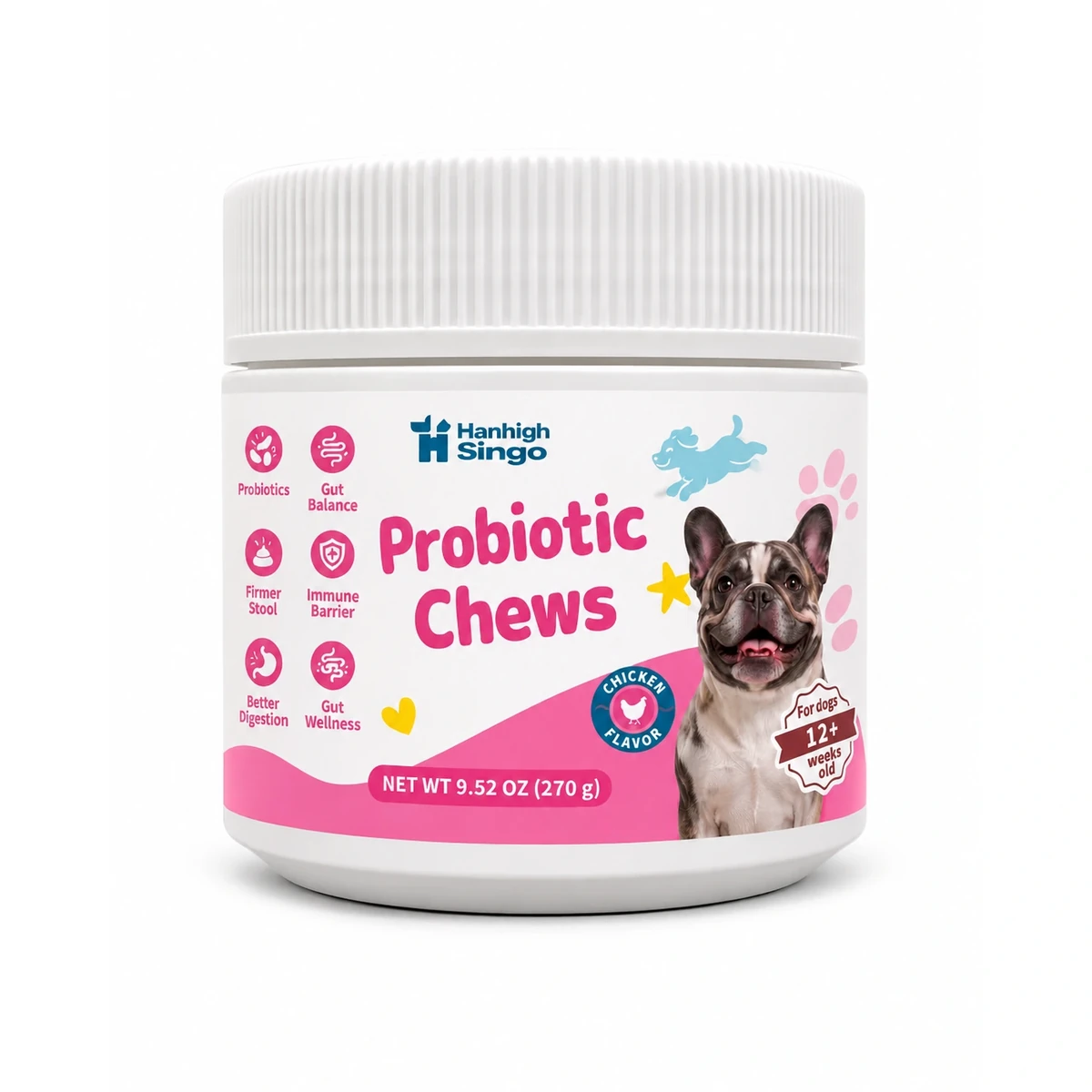
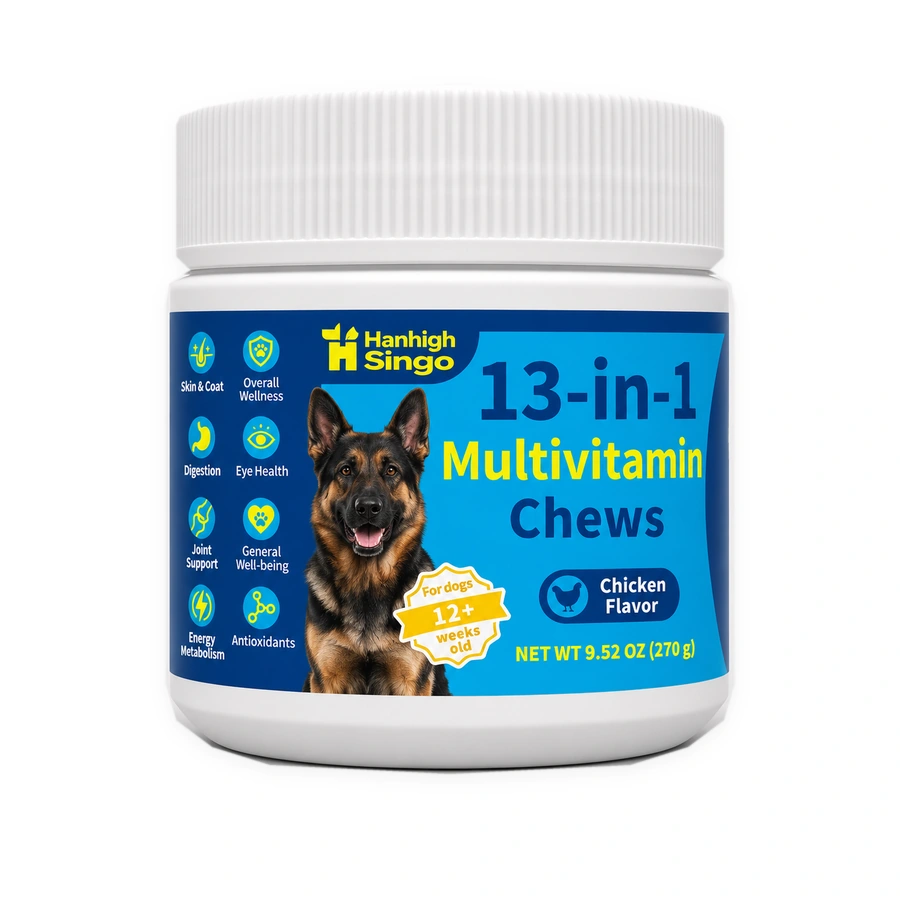
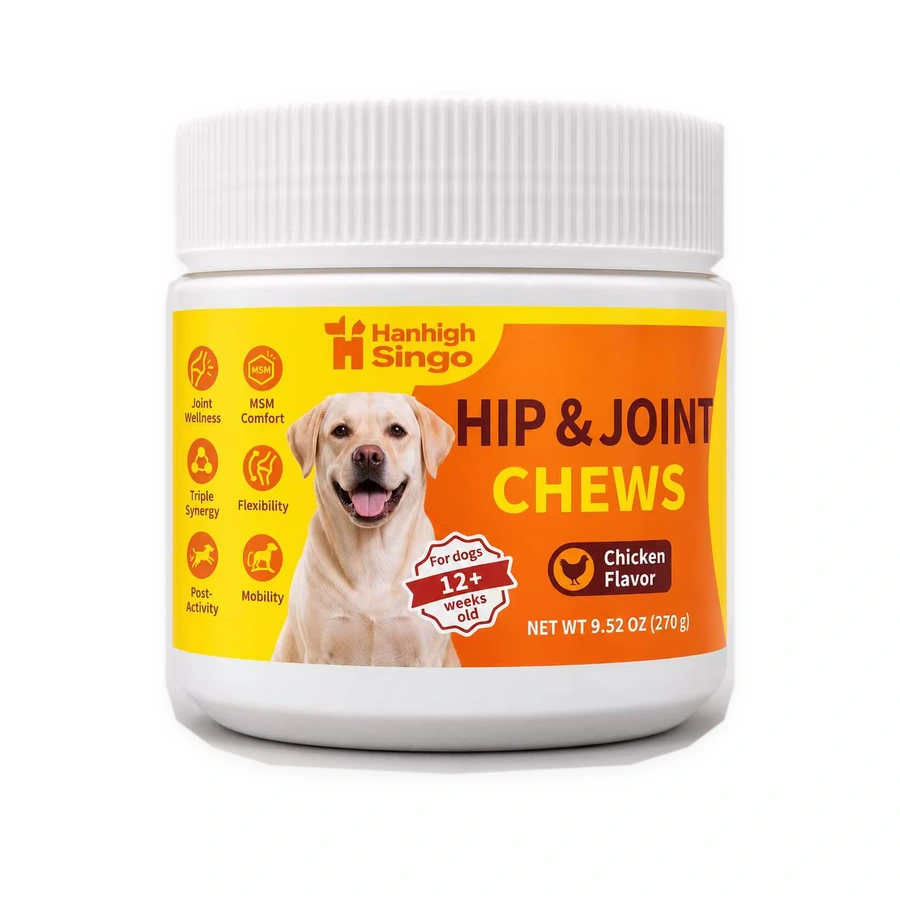
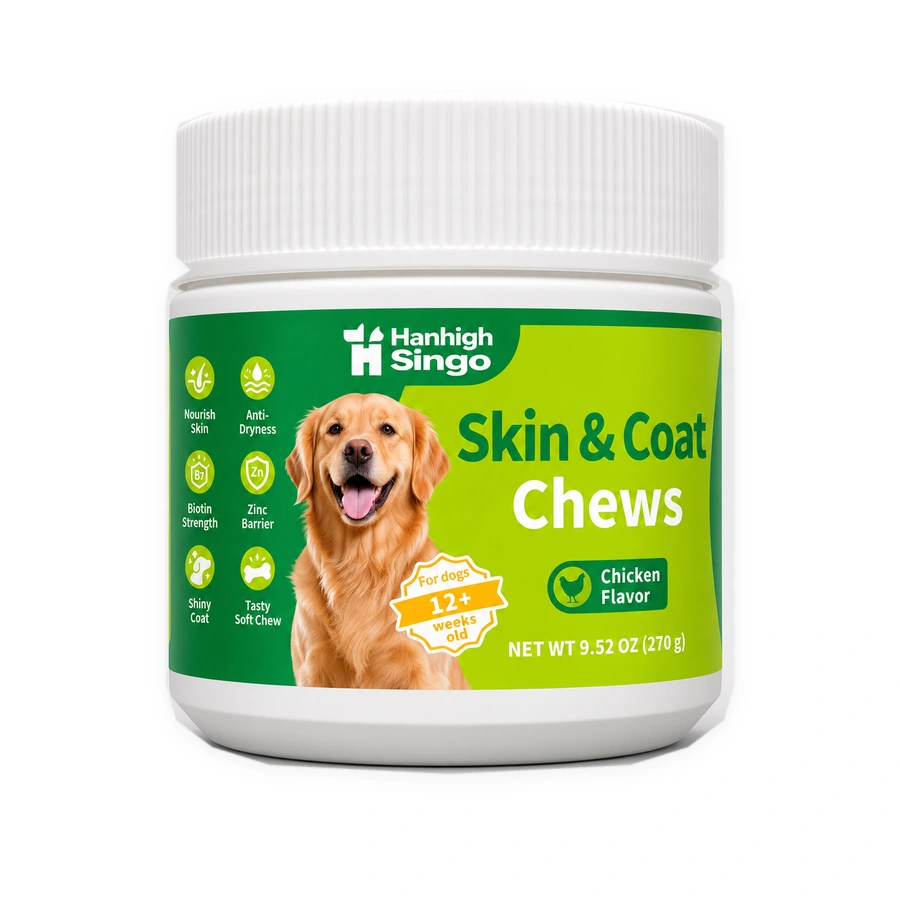
HSVIKO offers OEM/ODM customization covering formulation, flavor, form, shape, label, and packaging, with sample confirmation as part of project discussions. Its dog and cat supplement options include soft chews, tablets, capsules, powders, liquids, and pastes. Confirm the exact SKU and its South African requirements before proceeding.

Use HSVIKO’s OEM/ODM service to frame the product brief around the buyer’s requirements. The separate product overview can help compare format options, while every ingredient, specification, pack, and destination-market document still needs SKU-level confirmation.

Review HSVIKO product formats to identify options for the product brief.

Conclusão

Prepare a South African pet-supplement import as a product-specific compliance and specification project. Define the animal, ingredient sources, formula, form, claims, and pack; confirm the applicable feed, animal-health, or other route; then assign registration, label, testing, and shipment-document tasks by name. A version-controlled specification and written responsibility matrix help the buyer and supplier keep the approved product, label, and cargo file aligned.

Perguntas frequentes

Does calling a product a supplement decide its South African import category?

No. The formula, intended use, claims, dosage form, and applicable rules matter. Confirm the classification and required approvals for the exact SKU before ordering or dispatch.

Do all pet supplements need a veterinary import permit?

Not necessarily. Animal-derived ingredients may trigger additional animal-health conditions based on species, origin, and current rules. Ask the responsible authority or importer to confirm the requirement for the specific product.

What should the manufacturer provide for an import application?

Agree a product-specific pack that may include the formula and specification, ingredient/source information, label, nutritional laboratory analysis, and applicable conformity or authorization evidence. The importer should confirm the current official checklist and file local applications.

Can a supplier guarantee that its label will be accepted?

A supplier can provide accurate product data and revise artwork against buyer feedback. The South African importer should confirm local classification and label acceptance; a supplier discussion does not guarantee regulatory approval or clearance.

Request a product fit check

For a fit check, send the ingredient brief, animal, serving target, form, pack, quantity range, and South African document questions. Ask which specifications and sample records can be reviewed before artwork or shipment.

You can contact HSVIKO’s technical team with that RFQ information and request a product-specific discussion.

avatar
admin
perfil pessoal

Índice

Notícias

Publicações Relacionadas

Perguntas Frequentes

1. Soft Chews: Highly palatable, easy to mix with food, suitable for probiotics, lysine, and daily intestinal immune conditioning for young pets; 2. Soft Capsules: Contains oily liquid, specifically for fish oil and fat-soluble vitamins, with good absorption, the first choice for coat care; 3. Hard Capsules: Filled with high-concentration herbal powder, highly stable, specifically for liver protection, urinary tract health, and oral deodorization; 4. Paste: Liquid and easy to feed, quickly replenishes nutrition, ideal for emergency nutrition replenishment in post-operative, postpartum, and weak/picky pets; 5. Tablets: Standardized dosage, simple to feed, a must-have for calcium supplementation, multivitamins, and joint care; 6. Powder: Highly active fine powder, can be mixed with canned food/goat milk, suitable for high-dose conditioning needs and multi-pet households.
The formulation is differentiated based on the characteristics of the raw materials, absorption requirements, and pet acceptability. Oil-based ingredients may be evaluated in softgels, liquids or other suitable formats according to the formula, stability and packaging requirements; live bacteria and herbal powders can be made into granules, powders, and tablets; for rapid replenishment, ointments are preferred, taking into account palatability, stability, and absorption efficiency.
Suitability, species, age range and feeding amount are confirmed for the approved formula and final label. Please follow the product-specific feeding guidance and consult a qualified professional when needed.
Péletes moles/pó: Misturar diretamente com alimento base, comida enlatada ou leite de cabra;
Para a manutenção diária da saúde, administrar uma vez ao dia; durante o período de melhoria (queda de pelo, fezes moles, desconforto urinário, etc.), administrar uma vez de manhã e uma vez à noite; os produtos de cuidado nutricional podem ser fornecidos continuamente por um longo período sem causar dependência.
Diferentes formas farmacêuticas têm diferentes requisitos de armazenamento:
Shelf life and storage guidance are confirmed for the approved formula, packaging and final label.
Hs·viko's entire range of pet nutrition products is hormone-free and contains no irritating industrial palatability enhancers; it uses a food-grade safe preservation system, and the fresh meat and dairy base enhances natural palatability, making it safe for long-term feeding without causing any burden on the body.
Pode ser utilizado tanto para cães como para gatos; basta controlar a quantidade de alimento de acordo com o peso de cada animal de estimação.
As alterações físicas causadas pelas altas temperaturas durante o transporte não são consideradas deterioração; basta deixar arrefecer num local fresco. Se houver um odor invulgar, bolor, fuga de óleo, descoloração ou aglomeração grave, contacte o serviço pós-venda para substituição.
A nutrição para animais de estimação é um processo de condicionamento crónico. Para a saúde do pelo, a saúde intestinal e a saúde do trato urinário, recomenda-se alimentar com os mesmos produtos continuamente durante mais de 30 dias. Ao mesmo tempo, uma dieta leve com menos snacks oleosos e salgados tornará o efeito do condicionamento mais evidente.
Apoiamos OEM/ODM para todas as categorias de produtos, incluindo grânulos moles, cápsulas moles, cápsulas duras, pomadas, comprimidos e pós. Podemos personalizar fórmulas, conteúdo, embalagens e rótulos de marca, e temos a nossa própria linha de produção completa.
Podemos personalizar fórmulas para crescimento de pelo, saúde gastrointestinal, saúde do trato urinário, proteção hepática, suplementação de cálcio, reforço da imunidade e nutrição pós-operatória. Podemos fornecer relatórios de testes de matérias-primas e produtos acabados correspondentes para cada lote.
contact-us

Contacte-nos


    Produtos
    Contactos
    WhatsApp
    E-mail