
How to Plan a Private Label Pet Supplement Manufacturing Timeline
20th novembre 2026
 admin

Before ordering, prepare a product dossier naming the target animal, ingredients and sources, dosage form, proposed claims, and the owner of each South African registration, permit, label, and shipment document. Calling it a “supplement” does not settle its regulatory route. Confirm requirements for the exact formula and presentation before production or dispatch.
A benefit phrase such as “joint support” is not enough for a specification or document pack. Describe the product as it will be sold and imported.
These fields affect classification, evidence, production, and consistency across the label, analysis, and import file. Treat each SKU as a separate review because a change in species, source, concentration, or form can change requirements.
South African government guidance groups pet food with farm feed and directs importers to the applicable import authorization and Act 36 registration process. It also says a holder of the relevant registration certificate may use it to import. Check the current route for the product rather than assuming every shipment needs two new applications.
Begin with the South African Government import guidance. Its application-letter checklist calls for product identity, quantity, country of origin, regulatory-conformity evidence, registration details or reason, authorization where applicable, nutritional laboratory analysis, entry port, import purpose, and a label. Build those inputs before booking production.
Animal-derived materials may also trigger animal-health controls depending on material, species, origin, and current conditions. Confirm any veterinary permit or health documents before dispatch. Feed registration alone may not resolve these requirements, and veterinary documents are not identical for every product.
Check the separate South African Government animal-product guidance when the formula includes animal products, then verify the current product-specific conditions with the responsible authority or a qualified local importer. If the proposed claims or composition point toward a medicine, pause label approval until classification is clear.
Use a version-controlled product specification as the shared reference for the buyer, manufacturer, laboratory, and label reviewer. Before artwork, check that these fields match across specification, analysis, label, and registration submission:
Check the label proof against the exact formula and claims under review. The importer confirms local particulars and label status; the supplier supplies accurate composition, manufacturing, analysis, and storage data. Hold production artwork until the route is clear.
A contract can allocate tasks, but it cannot remove a statutory duty from the responsible party. Name an owner for each item in the purchase order or project brief.
Agree who pays for tests, translation, label changes, samples, or legalization; who checks consistency; and what authorizes production and dispatch. Date or version every formula and artwork revision. Keep unresolved authority questions as project holds.
After confirming the route, reconcile shipment papers against the approved dossier. The importer or broker should verify format and original-copy rules for the entry. Depending on the product, the file may include:

No generic certificate list applies to every shipment. Ask the importer or broker to confirm documents, issuing authority, legalization, language, and timing for this SKU. Resolve name, source, quantity, or formula discrepancies before cargo handover.
Attach the market checklist to the RFQ. Include species and life stage, ingredients and origins, amount per serving, form, pack, claims, quantity, requested reports, and regulatory milestones. Ask the manufacturer to separate confirmed data from items needing a sample, test, importer, or authority review.
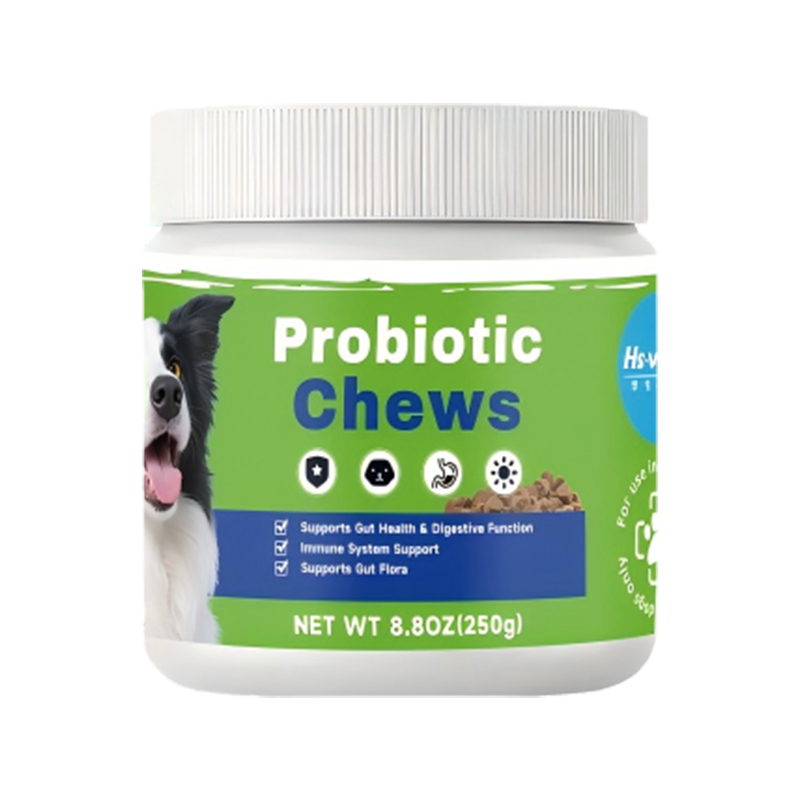
HSVIKO offers OEM/ODM customization covering formulation, flavor, form, shape, label, and packaging, with sample confirmation as part of project discussions. Its dog and cat supplement options include soft chews, tablets, capsules, powders, liquids, and pastes. Confirm the exact SKU and its South African requirements before proceeding.
Use HSVIKO’s OEM/ODM service to frame the product brief around the buyer’s requirements. The separate product overview can help compare format options, while every ingredient, specification, pack, and destination-market document still needs SKU-level confirmation.
Review HSVIKO product formats to identify options for the product brief.
Prepare a South African pet-supplement import as a product-specific compliance and specification project. Define the animal, ingredient sources, formula, form, claims, and pack; confirm the applicable feed, animal-health, or other route; then assign registration, label, testing, and shipment-document tasks by name. A version-controlled specification and written responsibility matrix help the buyer and supplier keep the approved product, label, and cargo file aligned.
No. The formula, intended use, claims, dosage form, and applicable rules matter. Confirm the classification and required approvals for the exact SKU before ordering or dispatch.
Not necessarily. Animal-derived ingredients may trigger additional animal-health conditions based on species, origin, and current rules. Ask the responsible authority or importer to confirm the requirement for the specific product.
Agree a product-specific pack that may include the formula and specification, ingredient/source information, label, nutritional laboratory analysis, and applicable conformity or authorization evidence. The importer should confirm the current official checklist and file local applications.
A supplier can provide accurate product data and revise artwork against buyer feedback. The South African importer should confirm local classification and label acceptance; a supplier discussion does not guarantee regulatory approval or clearance.
For a fit check, send the ingredient brief, animal, serving target, form, pack, quantity range, and South African document questions. Ask which specifications and sample records can be reviewed before artwork or shipment.
You can contact HSVIKO’s technical team with that RFQ information and request a product-specific discussion.
Related Posts
How to Plan a Private Label Pet Supplement Manufacturing Timeline
20th novembre 2026
How to Compare Pet Supplement Manufacturers in China and the United States
19th novembre 2026






Contactez-nous