
U.S. Pet Supplement Labeling: An FDA and AAFCO Guide for Brands
30th octubre 2026
 admin
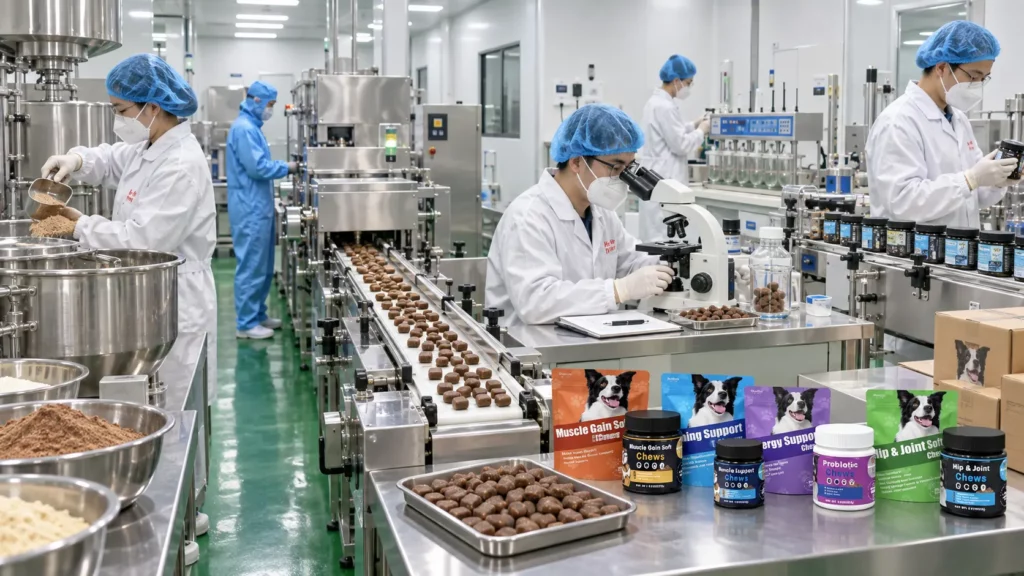
Pet soft chew manufacturing converts a nutritional concept into a repeatable dosage form by controlling the formula, palatability, stability, and packaging. A chew can look acceptable yet fail if the active load changes its texture, the flavor fades, units vary in weight, or moisture moves through the package. The process starts with a measurable brief and ends after the packaged product passes release and shelf-life review.
For Hs・Viko private-label projects, these controls help turn a selected concept into a production-ready specification rather than an untested product idea.
The brief should identify the species, life stage, intended support, daily serving, unit weight, market, flavor, shape, pack count, storage, and claim boundaries. These choices determine how much material each chew must carry and how the product will be evaluated. A small unit has less room for bulky actives, while a high-oil concept may need different processing and packaging from a dry mineral formula.
Regulatory classification and label requirements depend on intended use, claims, ingredients, and market. For a US launch, use the FDA FSMA material y guía de inicio AAFCO to frame qualified regulatory review. The brand owner still needs to approve the brief, claims, label, and market pathway.
A soft chew formula combines functional ingredients with a matrix that can be mixed, formed, handled, and stored. Each binder, carrier, fat, humectant, flavor, antioxidant, or processing aid should have a technical purpose and suit the target market. Oils can soften the matrix and oxidize, hygroscopic powders can pull in moisture, mineral loads can feel gritty, and some actives introduce bitterness or odor.
The target dose must fit the matrix. Formulators review active concentration, bulk density, particle size, heat and moisture sensitivity, and flavor impact before choosing a unit weight. Excessive active load may cause cracking, smearing, hardening, equipment sticking, or poor acceptance. The solution may be a larger unit, another ingredient form, a revised serving, or a different dosage format.
A correct batch average does not prove that each chew delivers the intended amount. Low-dose materials may require a controlled preblend. Define order of addition, mixing time, sampling locations, and limits for unit weight or content uniformity, especially when ingredients can segregate, clump, absorb liquid, or coat other particles.
Palatability includes aroma at opening, first bite, texture, aftertaste, and repeat acceptance. It should develop with the nutritional brief because flavor cannot always mask a bitter active, rancid note, gritty mouthfeel, or dry texture. Species, serving size, ingredient restrictions, and market positioning further limit the options.
Flavor materials may be sensitive to heat, oxygen, or long holds. A pilot should confirm their point of addition and whether mixing, forming, cooling, and storage preserve aroma. Evaluate the final chew in its proposed package. Agree on trial design and acceptance criteria before interpreting palatability results.
Terms such as soft and chewy are weak release criteria. Translate the desired bite into controls such as unit weight, dimensions, moisture, water activity, firmness, appearance, and handling behavior. Because texture changes during cooling and storage, assess fresh chews and aged samples from the intended package.
Soft chews can be formed by routes including compression or molding and wet extrusion or related shaping. The suitable route depends on the matrix, actives, geometry, equipment, and throughput. A laboratory recipe does not automatically transfer to commercial equipment.
The pilot batch establishes the operating window. Record temperatures, addition order, mixing time, forming settings, hold time, conditioning, yield, unit variation, and approved adjustments. Pack samples in the proposed container so palatability and stability observations reflect the commercial product. Pilot evidence should support the batch record, specification, sampling plan, and scale-up decision.
The exact equipment varies, but a commercial batch usually follows a traceable sequence:
In-process checks may cover appearance, temperature, piece weight, dimensions, texture, moisture, or water activity. Limits should state when production can continue, when adjustment is allowed, and when quality review is required. Rework, extra drying, or added liquid may affect uniformity and shelf life and therefore needs controlled approval.
Moisture content describes how much water a chew contains, while water activity indicates how available that water is for reactions and microbial growth. Similar moisture levels can behave differently when ingredients bind water differently. Formula-specific limits may use both measures with texture and microbiological criteria; they should not be copied from another product.
Fats, flavors, botanicals, vitamins, probiotics, and other sensitive ingredients respond differently to heat, oxygen, light, and moisture. Controls may include ingredient form, point of addition, temperature, antioxidant strategy, headspace, and package barrier. Each choice needs formula-specific evidence and appropriate technical and regulatory review.
Packaging is part of the stability system. The bottle or pouch, closure, liner, seal, and any validated moisture or oxygen control should protect the chew through shipping and repeated opening. Assess barrier performance, light sensitivity, aroma retention, seal integrity, headspace, and the risk of sticking or deformation. Desiccants or oxygen absorbers require compatibility and consumer-use review.
Artwork control belongs in the packaging plan. Before filling, confirm the product, pack count, directions, ingredient statement, warnings, lot coding, and market. Line checks should verify components, readable codes, closure, seal, and finished count or weight. Transit testing may be warranted when heat, vibration, or orientation could alter texture or seals.
Finished-product release combines batch records, deviations, in-process results, packaging reconciliation, and laboratory testing. Depending on the formula, tests may cover identity, assay, uniformity, microorganisms, moisture, water activity, oxidation, dimensions, weight, texture, and seal integrity. An out-of-specification result needs documented investigation and disposition.
Shelf life requires separate evidence. Real-time studies show packaged performance under labeled storage; suitable accelerated studies may provide earlier direction. Test the attributes most likely to change, including active level, odor, color, texture, microbial status, moisture, and package condition. The date statement should reflect the actual formula and container-closure system.
A useful RFQ identifies the species, intended support, formula status, target actives, serving, chew weight, shape, flavor, pack count, quantity range, market, packaging, claims, and required documents. Ask what must be confirmed through formulation, pilot, palatability, stability, and packaging trials so essential development work is visible in the quotation.
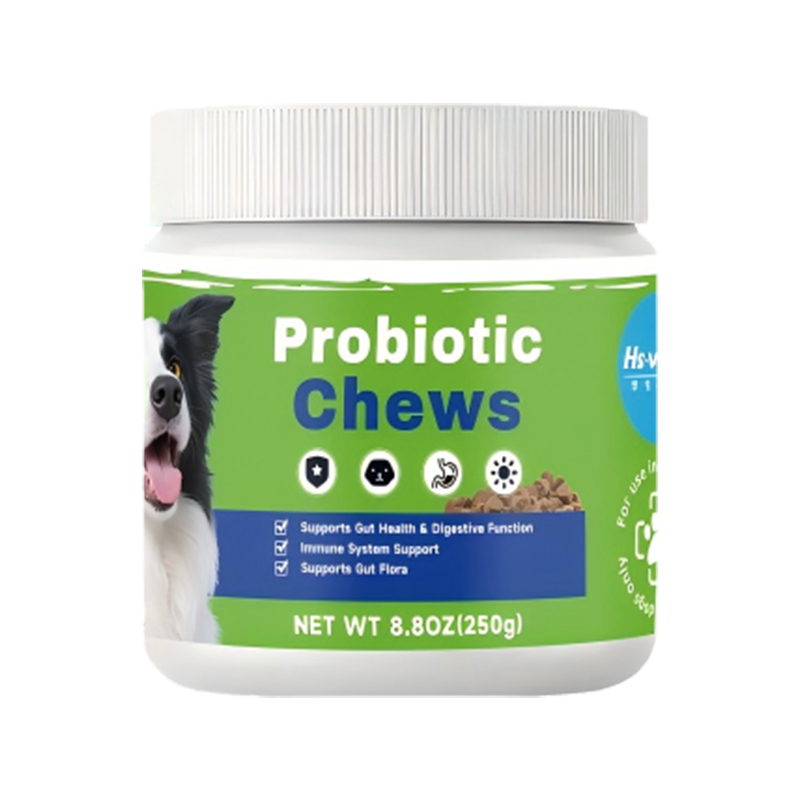
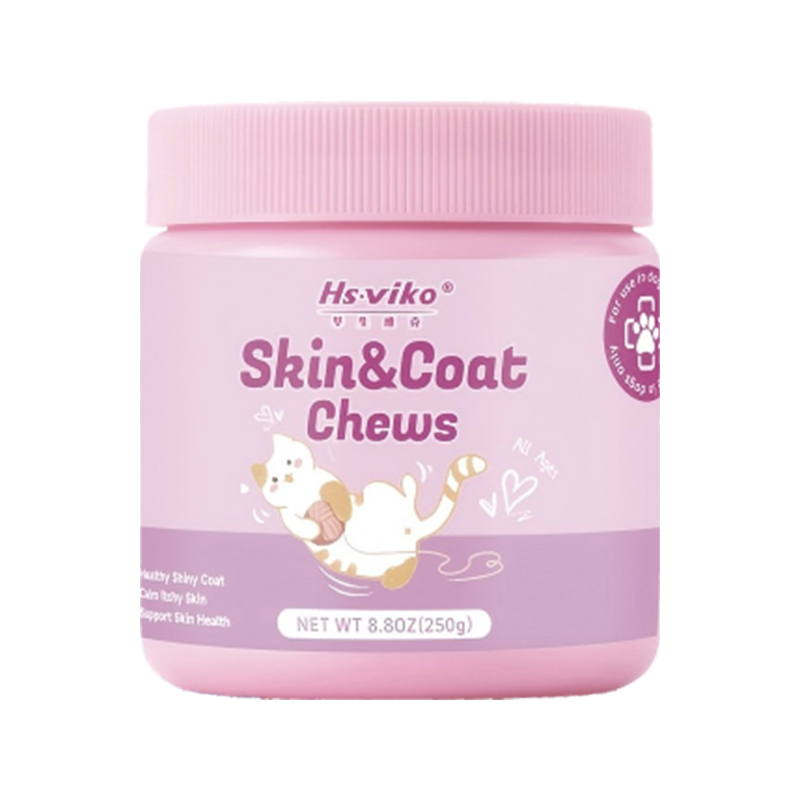
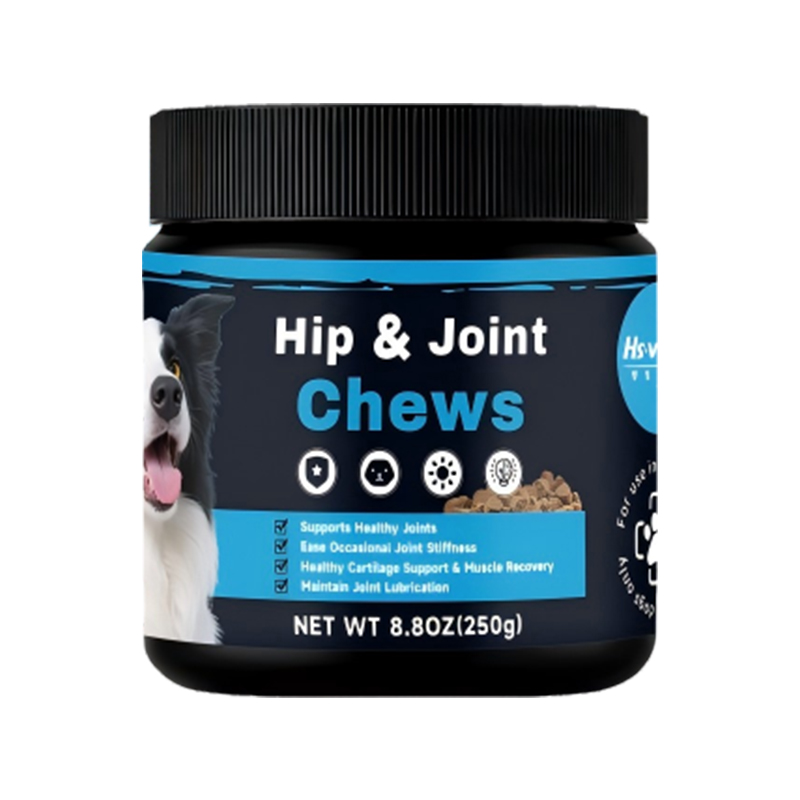
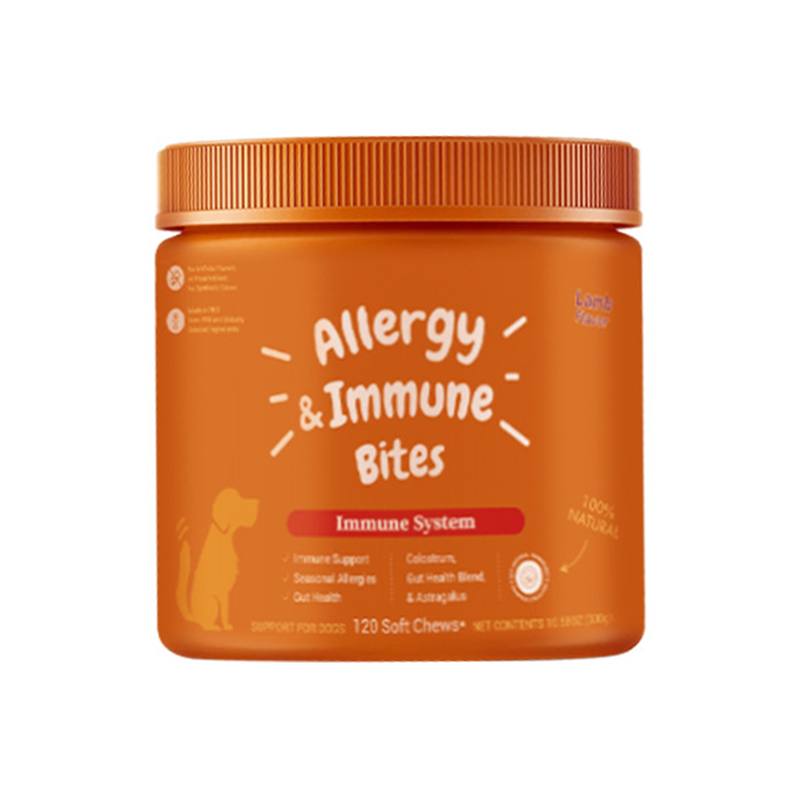
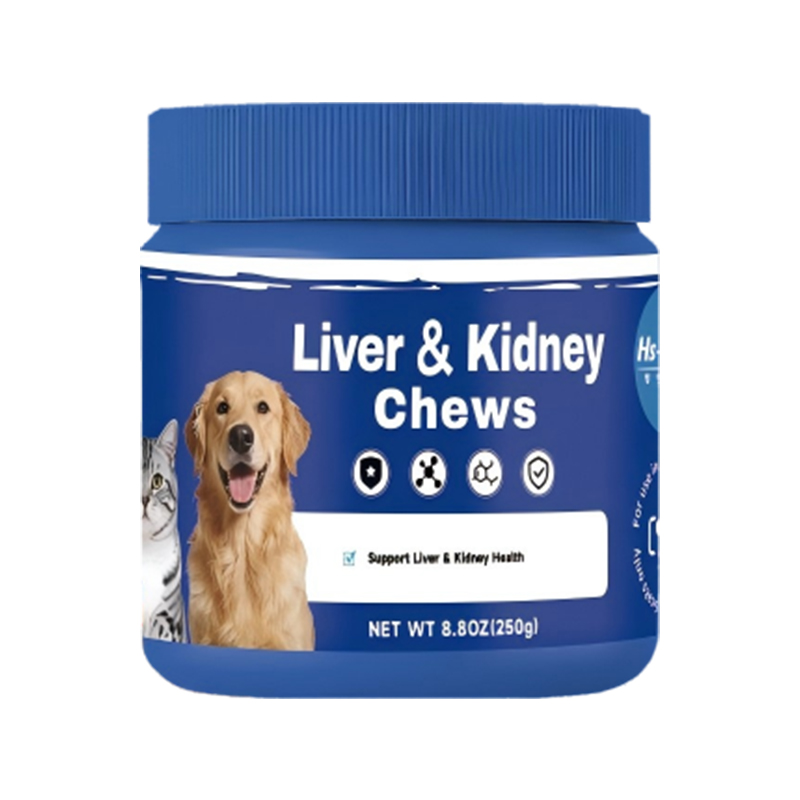
Hs・Viko presents dog and cat soft chews across multiple functional concepts in its catalog, with selectable bottle colors and flower, heart, bone, and cylinder shapes. Formula compatibility, unit size, packaging, market requirements, and specifications still need project-level confirmation.

Review the company’s OEM/ODM workflow and use its manufacturer evaluation checklist before requesting a sample or quotation.
A pet soft chew is a controlled dosage form. Formula design determines whether the active load can be mixed and formed; palatability affects repeat acceptance; moisture, oxidation, and ingredient sensitivity shape stability; and packaging protects the result. Define measurable targets, prove the process at pilot scale, and require release and shelf-life evidence for the packaged product.
Manufacturers dispense ingredients, prepare preblends or liquid phases, mix the matrix, form and condition the chews, perform in-process checks, package the units, and review the batch before release. The exact route depends on the formula and equipment.
Taste, aroma, texture, and aftertaste depend on the actives and matrix. Flavor cannot correct every bitter, oxidized, gritty, or dry product, so palatability belongs in formulation and pilot work.
Moisture measures water quantity. Water activity reflects its availability for reactions and microbial growth. Both may matter to texture, process limits, and shelf stability.
The package depends on moisture, oxygen, light, aroma, and handling risks. Bottles or pouches may use liners, seals, or validated controls, but the final system must be tested with the formula.
For a project fit check, contacte con el equipo técnico de Hs・Viko with the target species, intended support, formula status, active load, daily serving, chew size, flavor and shape preferences, pack count, quantity range, destination market, and testing or packaging requirements.
Entradas relacionadas
U.S. Pet Supplement Labeling: An FDA and AAFCO Guide for Brands
30th octubre 2026
Fish Oil Softgels vs Liquid vs Emulsified vs Powder for Pets
29th octubre 2026






Contáctenos