

How to Plan a Private Label Pet Supplement Manufacturing Timeline
-
 admin
- 20th نوفمبر 2026
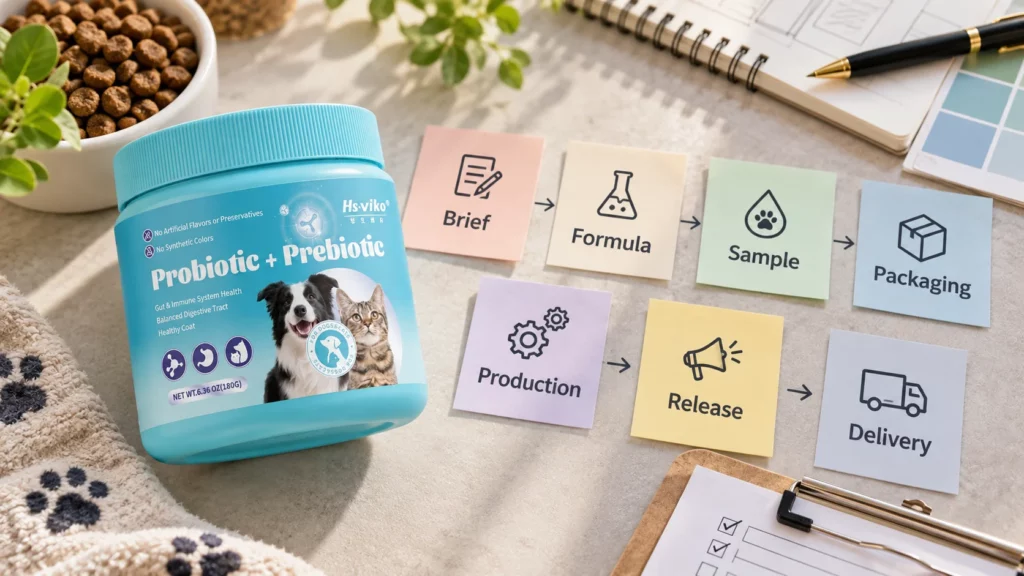
For a first private label pet supplement order, the useful answer is a dated, scope-specific schedule, not a single number detached from its start point. HSVIKO’s startup and e-commerce solution page lists a typical production time of 25-45 days from formula finalization to finished product, depending on complexity and order size. That reference does not by itself tell a buyer when formula work begins, whether packaging approvals are already complete, or when goods will reach a warehouse. Confirm those boundaries before setting a launch date.
What the 25 to 45 day estimate does and does not tell you
The published range starts at formula finalization and ends at finished product. It is therefore a production-planning reference after the formula has been finalized, not a guaranteed concept-to-launch or door-to-door promise. It gives buyers a useful baseline while leaving several project details to confirm in the quotation.
The range is described as typical and dependent on product complexity and order size. It is not broken into fixed durations for sampling, ingredient procurement, artwork, production, testing, or shipment. Ask the supplier to map those activities to your specific order and state which are included in the quoted window. Do not add guessed stage durations together or assume that every project follows the same sequence. For the company-specific reference, see HSVIKO’s published timeline reference
For launch planning, keep three dates distinct: when the product brief is accepted, when the formula and specifications are approved for production, and when released goods are expected at the destination. A supplier may quote only one of those intervals. The purchase order should say which event starts the clock and which event stops it.
Separate product development from the production clock
The project can begin before the manufacturing period shown in a quote. If the formula still needs development, the team may need to resolve ingredient choices, serving size, dosage form, flavor, and acceptance criteria before it can be finalized. A stock or established base formula may reduce the number of decisions compared with a fully custom formula, but the actual schedule depends on the product brief and the supplier’s review. Ask the supplier to quote development and production as separate phases when both are required.
Sample review is another boundary worth naming. If a sample or pilot is part of the approval path, ask whether the quoted production window begins before or after written sample approval. Record who reviews the sample, how feedback is submitted, and whether a formula change triggers a new review. An open approval loop can move a target date even when manufacturing itself is ready to be scheduled.
Packaging and labels also need clear owners and approval dates. Confirm the selected package, artwork version, quantity statement, directions, and destination-market review before the supplier reserves or releases components. If these items are still changing, request an updated schedule rather than relying on a date based on an earlier specification.
Which decisions can move a first order date
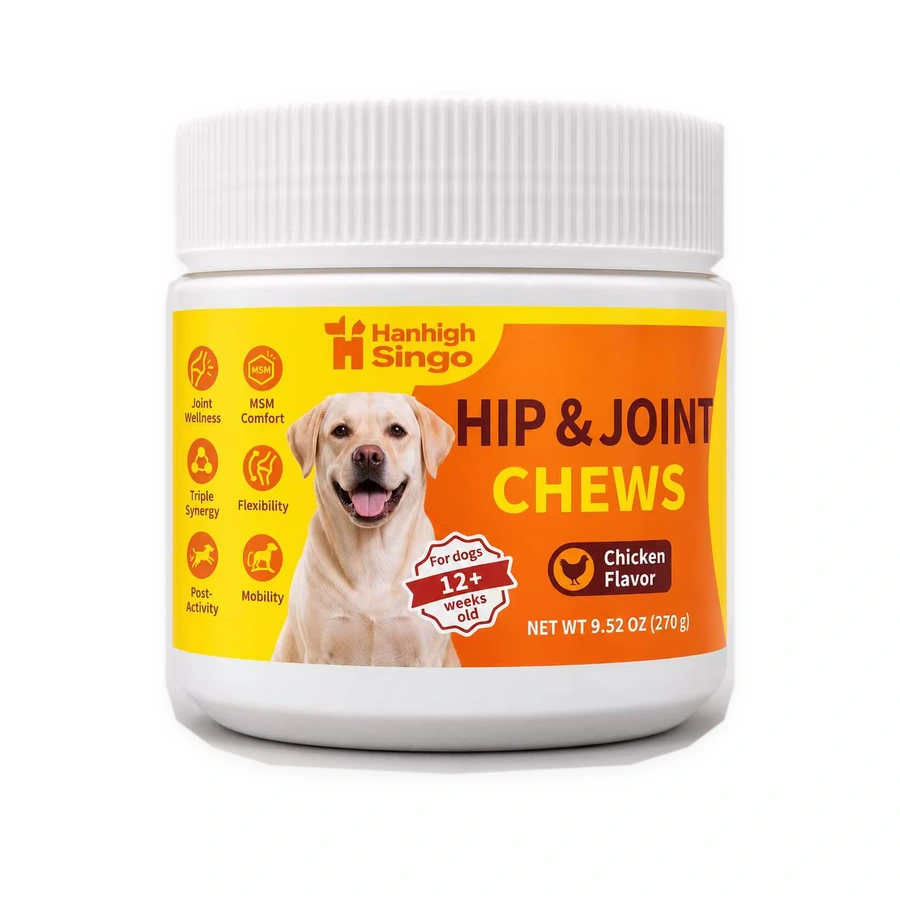
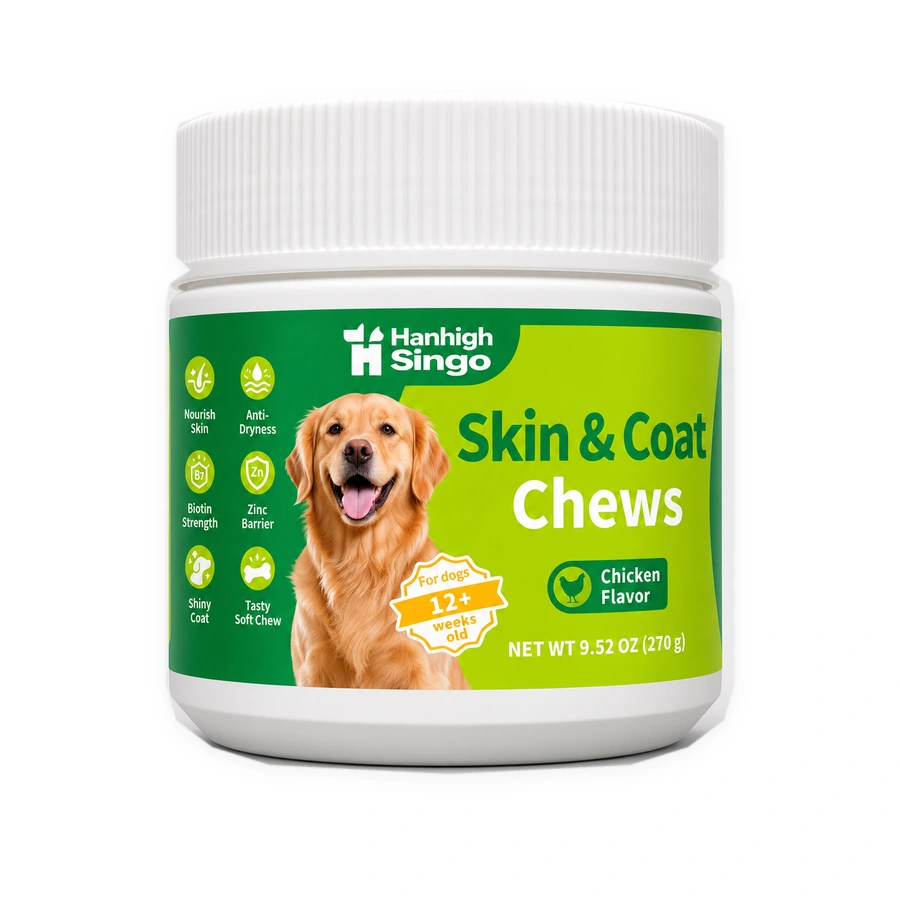
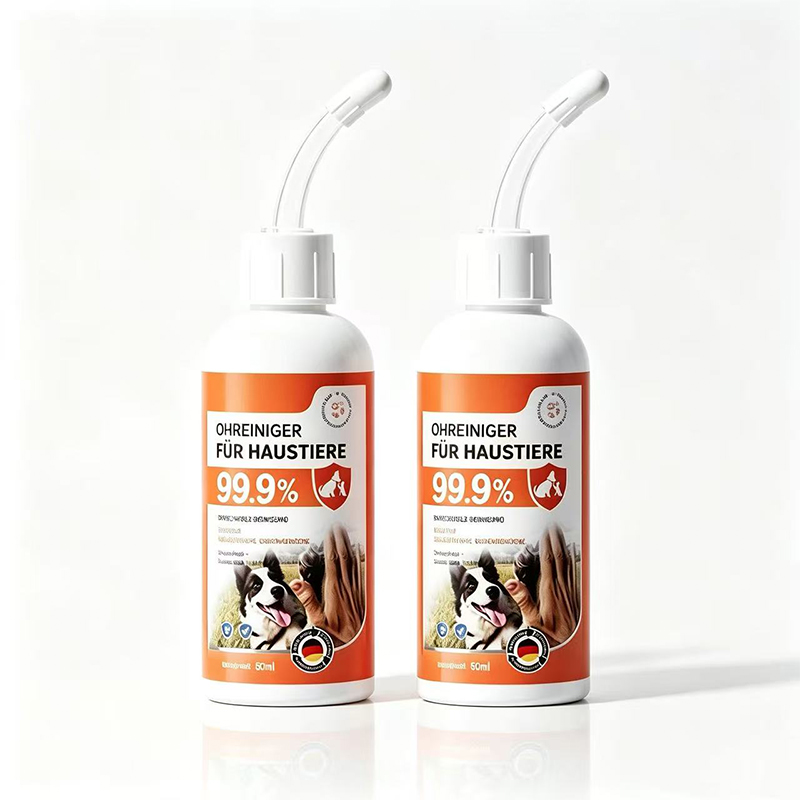
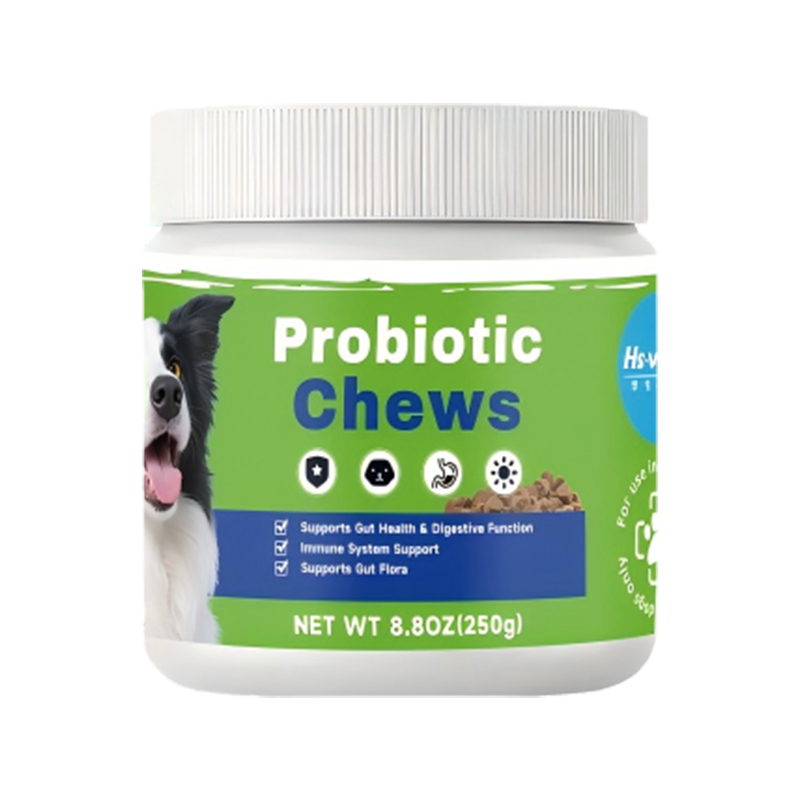
A schedule becomes more reliable when the RFQ identifies the product rather than describing it only as a pet supplement. HSVIKO lists soft chews, tablets, pastes, capsules, liquids, and powders; these formats use different production and packaging considerations. The final format should be part of the quote because a powder pouch and a liquid bottle are not interchangeable line items.
For an overview of the available forms, review the company’s pet supplement product range. The supplier’s manufacturing-process guide explains why dosage form, packaging fit, and quality checks need product-specific review. For timeline purposes, ask which of the following conditions affect your quoted date:
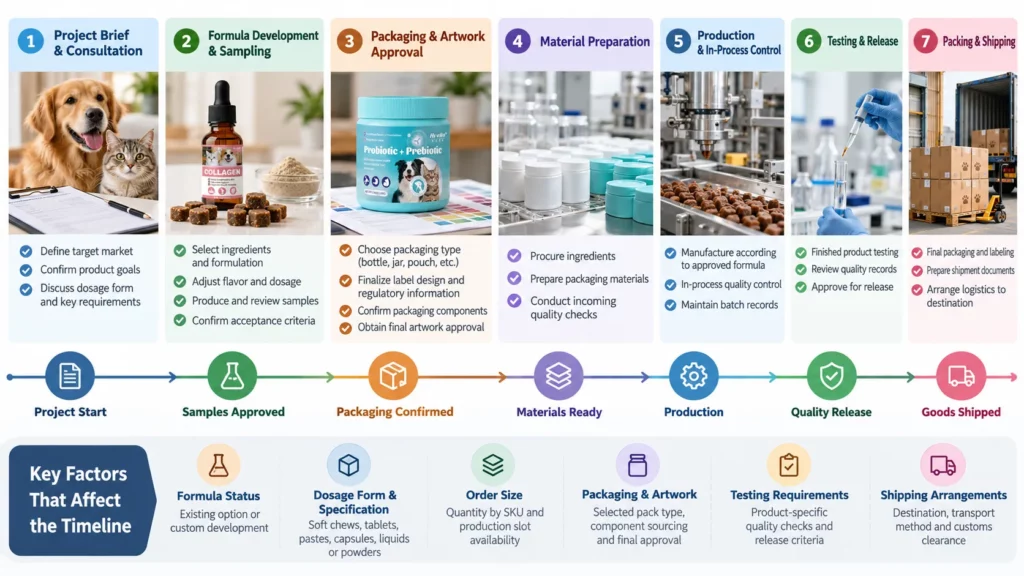
- Formula status. Is the formula already approved, based on an existing option, or still under development? Which sample, pilot, or technical approvals must be complete before production can start?
- Dosage form and specification. Which form, serving size, fill weight, flavor, and acceptance criteria will the quote cover? A change to one of these details may require a revised plan.
- Order size and production slot. The published estimate identifies order size as a timing factor. Confirm the quantity by SKU, when the production slot is reserved, and what happens if the order quantity changes.
- Packaging and artwork. Name the bottle, pouch, jar, tube, sachet, or other selected pack; state whether components and final artwork are approved, and ask whether their sourcing or review sits inside the quoted window.
- Testing and release. Ask what checks must pass before finished goods are released, who reviews the records, and whether the timeline ends at completed packing, quality release, dispatch, or delivery.
What to request in a written production schedule
Ask for a milestone schedule alongside the unit price. It should be specific enough for your team to track approvals without implying that every task can be compressed or run in parallel. A concise schedule can include:
- The start event and end event for the quoted lead time, plus whether days mean calendar days or business days.
- The status of formula, sample or pilot, product specification, package components, and artwork at the time of quotation.
- The buyer and supplier approval required at each gate, with a target response date and a named contact for open questions.
- Any dependencies on ingredient or packaging availability, a production slot, required testing, or a change to quantity or specification.
- The date of expected finished-goods release and a separate estimate for dispatch, transit, customs where applicable, and warehouse receipt.
The schedule should also identify its assumptions. If a date depends on the buyer returning an artwork proof, approving a sample, or confirming a shipping instruction, make that dependency visible. If the supplier revises a date, ask which milestone changed and what new approval or material is needed. This is more useful than asking for a faster estimate without defining the work it covers.
Plan a launch date with room for decisions
Work backward from the date the product must be available for sale, then protect the decisions that precede production: formula, sample, pack, artwork, quantity, and destination. Keep a written version number for each approved item so the purchasing, marketing, and supplier teams are reviewing the same specification. When one item changes, ask which milestones need to be recalculated.
Do not treat a published range as a fixed delivery commitment. A quote should state the project assumptions and the point at which the supplier will confirm the schedule. If you are comparing proposals, compare like with like: the same formula status, SKU count, order size, packaging responsibility, test scope, and shipping endpoint. A shorter number may simply begin later or stop earlier.
For a repeat order, ask whether the approved formula and packaging remain unchanged and whether materials are available. HSVIKO’s solution page separately gives a typical 20-30-day reorder reference once the formula is finalized and on file. Confirm whether that reference applies to your SKU and whether it ends at finished goods or delivery before using it in inventory planning.
الخاتمة
HSVIKO publishes a 25-45-day typical production reference from formula finalization to finished product, with complexity and order size affecting the estimate. A brand should still confirm what lies before that clock, which approvals and checks it includes, and whether freight is counted after finished goods. A milestone-based quotation turns a broad range into a schedule your team can actually manage.
الأسئلة الشائعة
How long does a private label pet supplement take from concept to launch?
The published 25-45-day range starts at formula finalization, so it should not be treated as a concept-to-launch estimate. Request a separate schedule for formulation, sample approval, packaging, production, release, and shipping.
Does the 25 to 45 day production estimate include shipping?
The page defines the endpoint as finished product, not warehouse receipt. Ask the supplier to quote dispatch and transit separately and confirm the delivery location.
Can dosage form affect the production schedule?
It can affect process and packaging requirements. Include the exact form, serving, fill weight, and pack in the RFQ, then ask the supplier to confirm any schedule impact.
What should I send to get a project-specific timeline?
Send the formula status, dosage form, serving and pack size, SKU quantity, target market, artwork status, testing needs, and destination. Ask for dated milestones and approval owners.
To request a project-specific fit check, contact the HSVIKO team with your formula status, dosage form, pack specification, quantity by SKU, target market, artwork status, and required delivery location.

admin
الملف الشخصي








اتصل بنا